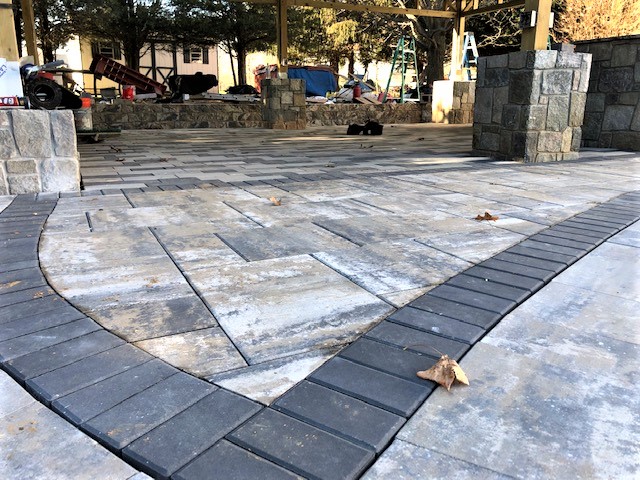
There’s nothing quite like stepping onto your own patio for the first time. The smell of fresh stone, the way the space instantly feels like an outdoor living room — it’s where lazy Saturday mornings and long summer nights collide. But before that first step comes a much less glamorous (and far more important) one: planning.
A patio isn’t something you wing. It’s something you design to fit your life. This custom patio planning checklist will walk you through the details that matter most before a single stone is set — so you end up with a space that looks amazing and actually works for how you live.
1. Start With How You’ll Use It
Before you even think about materials, think about moments. Is this patio for big gatherings or quiet dinners? Kids running around or just you and a cup of coffee?
Your answers shape everything — size, layout, furniture spacing, lighting, even where the grill goes. For example, if you host often, you’ll want room for guests to move comfortably around tables. If it’s your retreat spot, prioritize privacy and cozy seating.
Pro tip: Picture your daily routine and design around that, not the Pinterest version of your life.
2. Pick the Right Spot
Where your patio goes can make or break how much you actually use it.
Pay attention to sun and shade throughout the day. A west-facing patio might roast you by 4 p.m., while one tucked under trees could be chilly year-round. Also, think about access — will guests walk through your living room or kitchen to get outside? The best patios flow naturally from the house.
If privacy’s an issue, smart landscaping or low walls can help create that tucked-away feel.
3. Set a Realistic Budget
This is where most projects get off track — not because people overspend, but because they under-plan. A proper custom patio planning checklist always includes a clear, realistic budget.
Factor in:
Design fees (if applicable)
Materials
Labor
Drainage or grading work
Extras like lighting, steps, or built-in seating
And always, always add a cushion for the “we didn’t see that coming” items. They’ll come. A solid budget keeps your vision on track and prevents compromise later.
4. Pay Attention to Drainage and Grading
Not glamorous, but absolutely essential. A gorgeous patio won’t stay that way if water has nowhere to go.
Your yard’s slope, existing soil, and nearby downspouts all play a role in where rainwater ends up. This is something a professional landscape designer will assess right away — because fixing drainage after installation costs way more than getting it right upfront.
Bottom line: proper grading and drainage are what make your patio last.
5. Choose Materials That Fit Your Home and Lifestyle
Materials make the biggest visual impact — and the biggest difference in maintenance.
Natural stone feels timeless and upscale but can cost more.
Concrete pavers are durable, versatile, and easier to repair.
Porcelain pavers offer a sleek, contemporary feel, resist staining, and are incredibly durable — perfect for patios that see heavy use but still need a refined look.
Stamped concrete gives a clean, modern look with lower maintenance.
Match the style to your home’s architecture and your own tolerance for upkeep. And don’t forget color and texture — they should blend with your home’s palette, not compete with it.
When in doubt, ask to see examples of patios built with each material so you can see how they age and weather.
6. Plan for Lighting and Power
If you think of lighting as an “add later” item, you’ll regret it. Running electrical lines after installation is costly and disruptive.
Plan early for:
Path and step lights
Accent lighting for walls or trees
Outlets for string lights, speakers, or heaters
Good lighting transforms a patio from a daytime hangout to an all-day destination. Add this to your custom patio planning checklist — it’s one of those small details that make the biggest difference.
7. Don’t Forget the Landscaping Around It
A patio shouldn’t feel like a landing pad in the middle of the yard. The right plantings, retaining walls, or garden edges help it blend seamlessly into your outdoor space.
Think of the landscaping as the frame for your outdoor room. It softens the hard edges and creates privacy and dimension. Bonus: greenery cools the area and adds color all season long.
8. Check Local Permits and HOA Rules
It’s not the fun part, but it’s the smart part. Every municipality (and some HOAs) has rules about structure placement, setbacks, and materials. Checking these early saves time, money, and frustration later.
Your landscape professional can usually help you navigate this step.
9. Work With a Landscape Professional
A seasoned designer sees things you won’t — grade changes, space flow, lighting angles, and how to make your patio look like it’s always been there.
At Allentuck Landscaping Co., we’ve been designing and installing patios for over 35 years. We know how to bring your ideas to life in a way that’s beautiful, functional, and built to last. Partnering with a pro isn’t about spending more — it’s about avoiding mistakes and ending up with a patio you’ll love for decades.
A Little Planning Goes a Long Way
Your patio will be the heart of your outdoor living — so give it the attention it deserves. Use this custom patio planning checklist to think through the details now, and you’ll thank yourself every summer night to come.
If you’re ready to start designing your custom patio, our team at Allentuck Landscaping Co. can help you plan it right from the start — so your outdoor space doesn’t just look good, it lives good too.
At Allentuck Landscaping Company, our mission is to create beautiful environments for people to enjoy. We see landscaping as a way to improve people’s lives.
The Allentuck Landscaping Company team has been delighting homeowners in Maryland, Washington DC and Northern Virginia for over 28 years with our turnkey approach to landscape design, installation, construction and maintenance. Most companies try to serve many types of customers at the same time; homeowners, shopping centers, office buildings and the list goes on. At Allentuck Landscaping Company, we focus on one customer, you, the homeowner. We have a singular focus on bringing you the best landscape practices, the best customer service, and the best value for your home.
Mature trees are one of the most valuable elements of any landscape. They provide shade, seasonal beauty, habitat for wildlife, and a sense of character that simply can’t be replicated overnight. But while trees often appear strong and self-sufficient, they benefit greatly from thoughtful care—especially when landscaping projects or property improvements are involved. With the right approach, you can protect the health of your trees while enhancing the beauty and functionality of your outdoor space. Why Mature Trees Deserve Special
March marks the official start of spring, bringing longer days, warmer temperatures, and the perfect opportunity to get your garden in shape for the growing season. With plants waking up from dormancy and new growth emerging, now is the time to tackle essential gardening tasks. Follow these top March garden tips to prepare your landscape for a thriving and productive year. 1. Clean Up Your Garden and Prepare for Growth As winter fades away, take time to clear out debris
Branches are drooping. Evergreens are buried. Your garden suddenly looks like it’s been flattened overnight. And the question hits fast: Does snow damage landscape plants? Sometimes yes. Often no.The real answer depends on what kind of snow you get, what plants you have, and whether you step in at the right moment—or make things worse by doing too much. Let’s break it down in a simple, homeowner-friendly way. Does Snow Damage Landscape Plants in Winter? Most of the time, snow
February is a crucial month for gardeners, making it the perfect time to focus on the top February garden tips to prepare for the upcoming spring season. While winter still lingers, small signs of new growth begin to appear, signaling that it’s time to start planning, pruning, and protecting your landscape. By tackling key gardening tasks now, you’ll set the stage for a vibrant and thriving garden in the months ahead. 1. Prune Trees and Shrubs: Top February Garden Tips
January marks the start of a new year, making it the perfect time to focus on the top January gardening tips for planning, preparing, and caring for your landscape during the quiet winter months. While most plants are dormant, there’s still plenty you can do to ensure a healthy and productive garden come spring. 1. Top January Gardening Tips for Pruning and Maintenance January is the ideal time for pruning deciduous trees and shrubs while they’re dormant: Remove Deadwood: Cut
Something big is happening out there, and it’s not subtle. Homeowners are rethinking yards — not as green fields to mow, but as spaces that work harder, feel better, and look unmistakably intentional. Welcome to the world of 2026 Landscape Trends, where beauty meets purpose and everyday life gets better outside. These aren’t wild ideas. They’re grounded in how people are actually using their outdoor spaces — from morning coffee to sunset gatherings. Let’s dive into six trends that are