
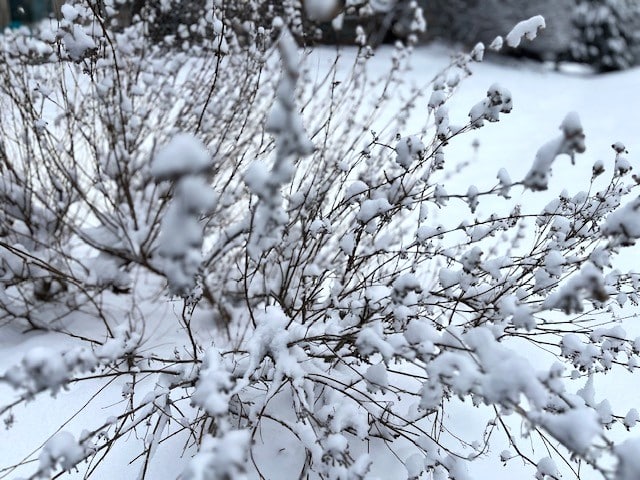
Branches are drooping. Evergreens are buried. Your garden suddenly looks like it’s been flattened overnight. And the question hits fast: Does snow damage landscape plants?
Sometimes yes. Often no.
The real answer depends on what kind of snow you get, what plants you have, and whether you step in at the right moment—or make things worse by doing too much.
Let’s break it down in a simple, homeowner-friendly way.
Does Snow Damage Landscape Plants in Winter?
Most of the time, snow is not the problem people think it is.
In fact, a light layer of snow can actually protect your landscape. Snow acts like a natural blanket over the soil, helping keep roots insulated during cold nights and blocking harsh winter winds.
That’s a good thing.
So if you’re wondering, does snow damage landscape plants during a normal winter storm, the answer is usually: not by itself.
Snow can help by:
-
Keeping soil temperatures more stable
-
Protecting roots from deep freezes
-
Providing slow moisture as it melts
For many plants, snow is more friend than enemy.
When Does Snow Become Harmful to Plants?
Here’s where homeowners in places like Montgomery County start to run into trouble.
The real issue isn’t fluffy snow.
It’s heavy, wet snow.
Wet snow sticks to branches and adds weight fast. That weight can cause bending, splitting, or snapping—especially on shrubs and evergreens.
This is when the question does snow damage landscape plants becomes a very real concern.
Plants most at risk include:
-
Boxwoods and other rounded shrubs
-
Arborvitae and upright evergreens
-
Young trees with flexible limbs
-
Tall plants that haven’t been pruned for structure
If branches are being pulled down hard, that’s a sign you may need to act.
What Homeowners Should Do After a Heavy Snowfall
You don’t need to rush outside every time it snows.
But after a wet, heavy storm, a little effort can prevent lasting damage.
Here’s what to do:
-
Use a broom to gently brush snow off branches
-
Start at the bottom and work upward
-
Sweep downward, following the branch’s natural direction
Go slow. Be gentle.
Never shake branches aggressively.
And don’t try to knock off ice. Ice is stubborn, and forcing it off can tear bark or break limbs.
Does Snow Damage Landscape Plants Underground?
Most homeowners focus on what they can see.
But the biggest winter protection happens below the surface.
Snow helps insulate the soil, which is important because winter damage often comes from temperature swings, not cold alone.
When soil freezes, thaws, and freezes again, plants can be pushed upward. Roots can dry out. New plantings can loosen.
Snow reduces those rapid changes.
So if you’re asking does snow damage landscape plants at the root level, snow is usually helping more than hurting.
Plants That Handle Snow Well
Some landscape plants are built for winter.
These tend to do just fine under snow cover:
-
Perennials that die back each fall
-
Deciduous shrubs without leaves
-
Ornamental grasses left standing for winter interest
Snow protects their crowns and helps them come back strong in spring.
Evergreens can do well too—unless snow piles up too heavily.
What Not to Do in the Winter Garden
Winter is not the season for over-managing.
Avoid these common mistakes:
-
Pruning immediately after a snowstorm
-
Pulling on frozen branches
-
Chipping away ice
-
Using salt too close to planting beds
Instead, wait until temperatures rise and plants have a chance to rebound naturally.
Bent branches often recover on their own.
Signs Snow Actually Caused Damage
Not sure if your landscape needs attention?
Look for:
-
Branches that are cracked or hanging
-
Evergreens that have split open
-
Shrubs that stay flattened after snow melts
-
Broken limbs on young trees
If you see those, it’s worth having a professional prune and reshape the plant properly in late winter or early spring.
FAQs About Snow and Landscape Plants
Does snow kill shrubs and perennials?
Usually not. Snow often protects plants. Damage is more likely from heavy weight or extreme cold without insulation.
Should I cover my plants before it snows?
Most established landscape plants don’t need covers. Snow provides natural protection in many cases.
What’s the safest way to remove snow from shrubs?
Brush gently with a broom, sweeping downward. Avoid shaking or breaking off frozen snow and ice.
Final Thoughts: Does Snow Damage Landscape Plants?
So, does snow damage landscape plants?
Sometimes—especially when it’s heavy, wet, and left sitting on shrubs and evergreens.
But in many cases, snow is actually doing your garden a favor by insulating roots and protecting soil through winter temperature swings.
The best approach is simple.
Stay calm, brush off heavy buildup when needed, and let your landscape rest until spring.
That’s how you get healthier plants when the snow finally melts.
At Allentuck Landscaping Company, our mission is to create beautiful environments for people to enjoy. We see landscaping as a way to improve people’s lives.
The Allentuck Landscaping Company team has been delighting homeowners in Maryland, Washington DC and Northern Virginia for over 28 years with our turnkey approach to landscape design, installation, construction and maintenance. Most companies try to serve many types of customers at the same time; homeowners, shopping centers, office buildings and the list goes on. At Allentuck Landscaping Company, we focus on one customer, you, the homeowner. We have a singular focus on bringing you the best landscape practices, the best customer service, and the best value for your home.
Services Provide – Master Landscape Plans, Complete Maintenance Programs, Plantings, Patios, Walkways, Retaining Walls, Water Features, Outdoor Lighting, Outdoor Kitchens, Trellises & Pergolas, Irrigation Systems, Drainage Solutions, Grading & Sodding. Fire Pits & Fire Places, Spring Clean Ups, Decks, Fences
Areas Served – Chevy Chase, Bethesda, Potomac, Rockville, North Potomac, Darnestown, Gaithersburg, Germantown, Travilah, Damascus, Boyds, Clarksburg, Ijamsville, Urbana, Frederick and Washington DC.
Allentuck Landscaping Co. is a proud member of the National Association of Landscape Professionals and MyLandscapeAcademy.
13711 Travilah Rd, Rockville, MD 20850
(301) 515-1900