
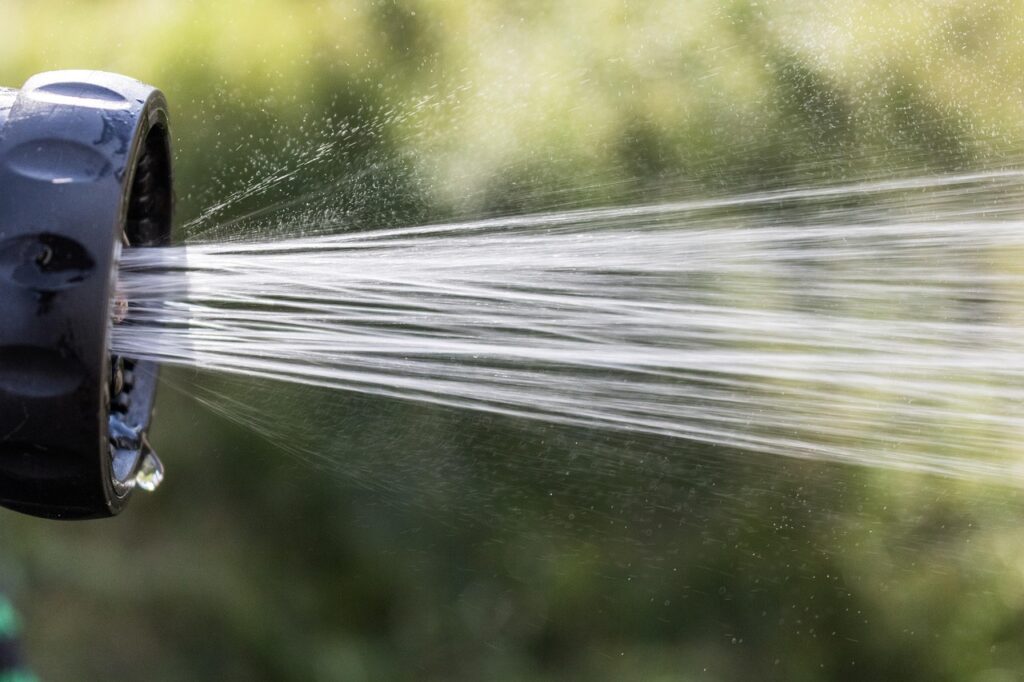
Watering plants seems simple—turn on the hose, give them a good soak, and move on with your day. But if you’re watering at the wrong time, your plants might not be getting the full benefit. Worse, you could be wasting water and even inviting disease.
So, when is the best time to water plants? The short answer: morning. The long answer? It depends on the season, your soil, and the type of plants you’re growing. Let’s break it down so your garden stays healthy, hydrated, and thriving.
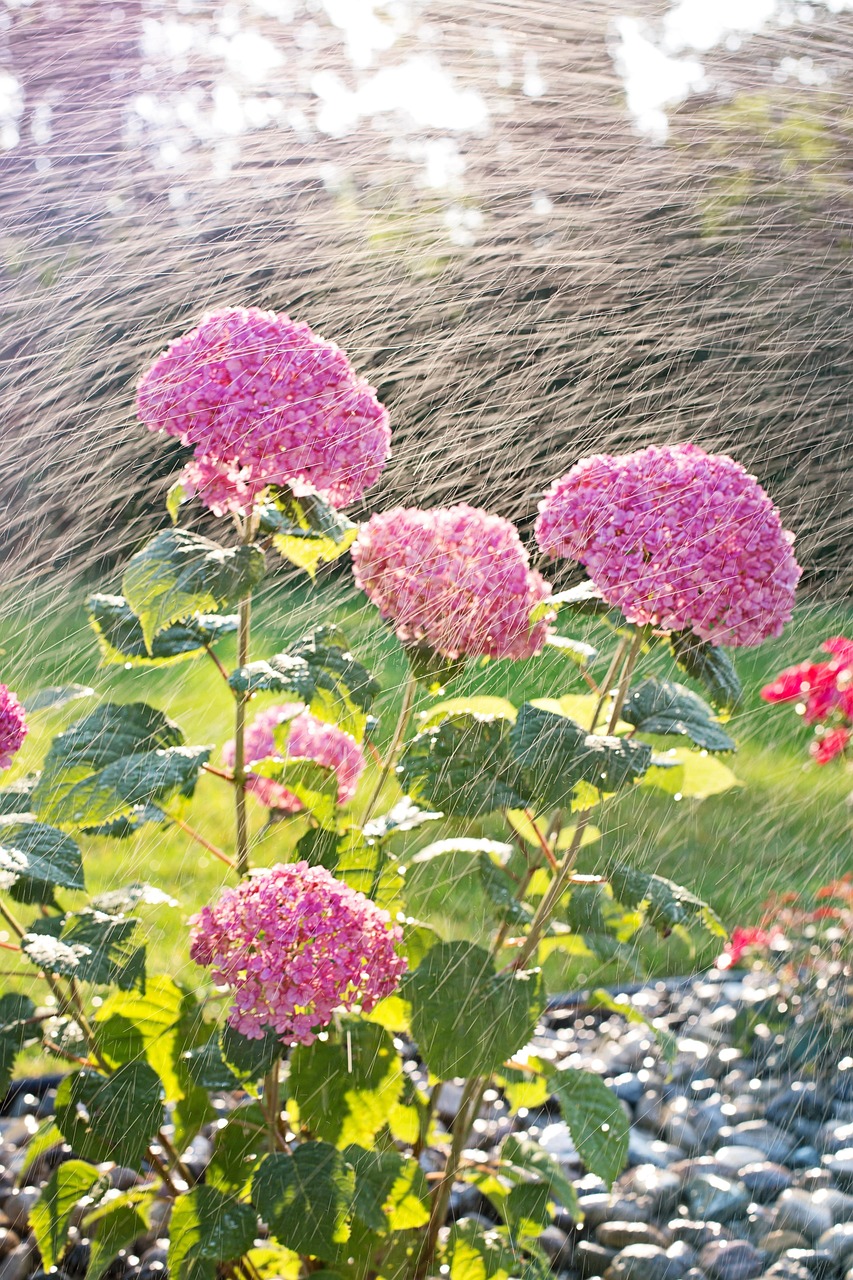 The Best Time of Day to Water Plants
Morning: The Ideal Time
The absolute best time to water plants is early in the morning, preferably before 10 AM. Here’s why:
-
Temperatures are cooler, so water has time to soak into the soil before it evaporates.
-
Plants absorb moisture efficiently in the morning, helping them stay hydrated throughout the day.
-
Watering early helps prevent fungal diseases, which thrive in damp, overnight conditions.
If mornings aren’t an option, don’t worry. The key is to avoid watering at the worst times.
The Worst Times to Water Plants
Midday: Too Hot to Handle
Watering during the heat of the day isn’t effective. The sun and high temperatures cause water to evaporate before it can reach plant roots. Plus, droplets on leaves can act like tiny magnifying glasses, potentially scorching foliage.
Late Night: A Recipe for Disease
Watering at night may seem convenient, but it often leaves plants sitting in moisture for too long. This creates the perfect environment for fungal growth, mold, and rot.
Seasonal Watering Considerations
Spring & Summer
-
Warmer weather means plants need more water.
-
Deep watering is crucial, especially for lawns, vegetables, and newly planted shrubs.
-
Check the soil—if the top inch is dry, it’s time to water.
Fall
-
As temperatures cool, plants need less frequent watering.
-
Trees and shrubs still need moisture to prepare for winter.
Winter
-
Most plants go dormant and need little to no watering.
-
Evergreens and container plants may still need occasional hydration during dry spells.
Best Watering Techniques for Healthy Plants
Water Deeply, Not Just the Surface
A quick sprinkle doesn’t cut it. Water should reach at least 6 inches deep to encourage strong root growth.
Use Mulch to Lock in Moisture
A 2-3 inch layer of mulch helps regulate soil temperature and prevents moisture loss. It also keeps weeds from competing for water.
Invest in Drip Irrigation or Soaker Hoses
These tools deliver water directly to plant roots, reducing waste and preventing wet foliage. They’re especially helpful for flower beds, vegetable gardens, and newly planted trees.
Water at the Base, Not the Leaves
Pour water at the soil level rather than over the foliage. This keeps leaves dry, reducing the risk of disease.
Special Considerations
Container Plants Dry Out Faster
Potted plants need more frequent watering than those in the ground. Check them daily in hot weather.
Drought-Tolerant Plants Need Less
Plants like lavender and succulents thrive on minimal water. Overwatering can do more harm than good.
New Plants Need Extra Care
Freshly planted flowers, shrubs, and trees need regular watering until their roots establish—usually for the first few weeks.
FAQs
1. Can I use a sprinkler system in the morning?
Yes, but make sure it delivers deep, even watering. Avoid misting or short watering cycles that only wet the surface.
2. How do I know if I’m overwatering my plants?
Signs of overwatering include yellowing leaves, mushy stems, and soil that stays soggy for days. If in doubt, check the soil before watering.
3. What if I can’t water in the morning?
If mornings aren’t an option, water in the late afternoon, around 4–6 PM. This gives plants some time to absorb moisture before the evening cools down.
Watering your plants at the right time can make a huge difference in their health and growth. The best time to water plants is in the morning, when the soil can absorb moisture before the sun gets too strong. Avoid midday and late-night watering to prevent wasted water and plant disease. With a little planning, you can keep your garden looking its best while using water wisely.
Related Posts: