8 Perfect Landscape Trees For Small Spaces: Enhance Your Yard Without Overcrowding
Not every yard has room for towering oaks or sprawling maples. But that doesn’t mean you can’t enjoy the beauty of trees in a smaller space. Whether you’re working with a cozy backyard, a tight front yard, or a side garden, there are plenty of tree options that won’t overwhelm your landscape. The key is picking the right one.
In this blog, we’ll show you eight landscape trees for small spaces that deliver all the benefits of larger trees—shade, beauty, seasonal interest—without taking over your yard. These trees will give your space character while leaving plenty of room for everything else.
Why Choosing the Right Tree Matters in Small Spaces
When space is limited, picking the wrong tree can lead to big problems. A tree that grows too tall might block sunlight or encroach on your house. One that spreads too wide could leave no room for anything else. Roots can even lift sidewalks or damage foundations if you’re not careful.
In small landscapes, size matters. But it’s not just about height and width. The tree’s shape, growth rate, and maintenance needs are also important. You want a tree that complements your space, not dominates it. The right tree should enhance the flow of your yard, giving it structure and beauty without becoming a hassle to care for.
By focusing on trees that stay compact and manageable, you’ll get the benefits—shade, privacy, or a stunning focal point—without the headache of constant pruning or yard redesigns.
Key Factors to Consider When Selecting Trees for Small Spaces
Choosing the perfect tree for a small yard isn’t just about picking something that looks nice at the garden center. There are a few key things to think about before you dig that hole. Here’s what you need to keep in mind:
1. How big will it get? You don’t want to plant a sapling today only to have it towering over your roof in ten years. Always check the mature height and width of the tree. For most small spaces, a tree that grows 15-25 feet tall is a good choice. You’ll still get the look of a tree without it overtaking your yard.
2. Does it bring year-round beauty? Some trees put on a show every season—flowers in spring, vibrant leaves in fall, and interesting bark or branches in winter. If you’re working with limited space, choose a tree that looks good throughout the year to maximize its impact.
3. How much work is involved? Some trees need regular pruning to stay neat and compact. Others shed a lot of leaves or need extra care to thrive. Consider how much time you’re willing to invest in tree care. If you’d rather spend your weekends relaxing, go for a low-maintenance option.
4. Will the roots cause problems? Even small trees can have aggressive roots that can damage nearby structures. Look for trees that have less invasive root systems, especially if you’re planting near your home, driveway, or patio.
5. Does it fit your yard’s conditions? Every yard is different. Some are sunny and dry, others might have clay soil or shady spots. Make sure the tree you choose is suited for the conditions in your yard. A tree that thrives in the right environment will stay healthy and require less care.
6. Do you want year-round privacy? If you’re looking for privacy, consider whether you want an evergreen or deciduous tree. Evergreens will give you a green screen all year long, while deciduous trees drop their leaves in the fall, letting more light in during winter.
By considering these factors, you’ll be on your way to picking the perfect landscape tree for your small space. It’s all about choosing a tree that fits, both in size and in how it complements the rest of your yard.
8 Landscape Trees for Small Spaces
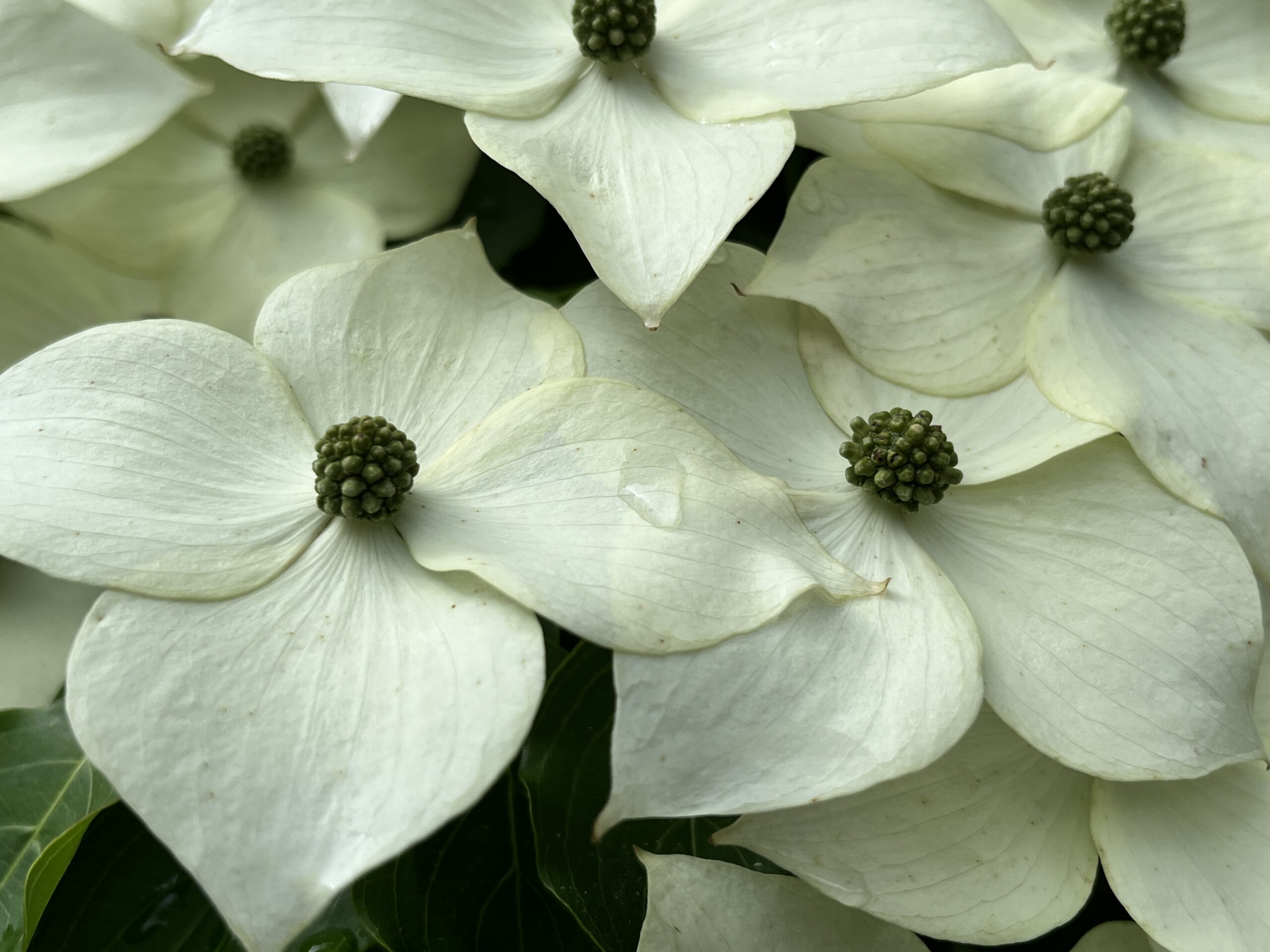
Cornus Kousa – Kousa Dogwood
Compact size: Grows 15-25 feet tall, making it ideal for small spaces.
Seasonal interest: Features stunning white flowers in late spring, colorful red fruits in summer, and vibrant red-orange foliage in fall.
Low-maintenance: Resistant to common dogwood diseases and requires minimal pruning.
Versatile: Thrives in both full sun and partial shade, adapting to various yard conditions.
Winter appeal: The tree’s peeling bark adds visual interest even when the leaves have fallen.
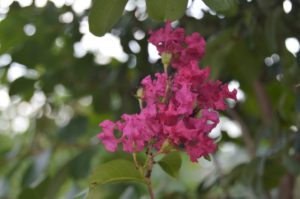
Lagerstroemia ‘Tonto’ – Tonto Crape Myrtle
Compact size: Grows 10-15 feet tall, ideal for small yards or garden beds.
Long blooming period: Produces bright pinkish-red flowers from mid-summer to early fall.
Disease-resistant: Known for its resistance to powdery mildew and other common diseases.
Low-maintenance: Requires minimal pruning and thrives in full sun.
Winter interest: Attractive, peeling bark provides visual appeal during the colder months.
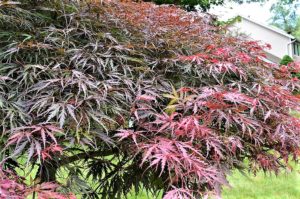
Acer palmatum ‘Bloodgood’ – Bloodgood Japanese Maple
Compact size: Grows 15-20 feet tall, making it suitable for small landscapes.
Striking foliage: Deep red-purple leaves provide vibrant color from spring through summer, turning bright crimson in fall.
Ornamental appeal: Delicate, lacy leaves and graceful branching add an elegant touch to any garden.
Low-maintenance: Requires minimal pruning and thrives in partial shade to full sun.
Year-round interest: Adds beauty in winter with its smooth, dark bark and attractive silhouette.
Prunus ‘Okame’- Okame Flowering Cherry
Elegant blooms: Features abundant pink flowers in early spring, creating a stunning display before leaves emerge.
Compact size: Grows 15-25 feet tall, making it ideal for small yards or gardens.
Attractive foliage: Glossy green leaves provide a beautiful backdrop during the growing season and turn golden-yellow in fall.
Low-maintenance: Thrives in full sun and adapts well to various soil types, with good resistance to pests and diseases.
Pollinator-friendly: Attracts bees and other pollinators, enhancing the biodiversity of your garden.
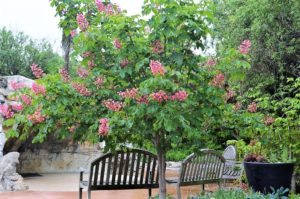
Aesculus pavia – Red Buckeye
Compact growth: Typically reaches heights of 15-25 feet, making it suitable for small gardens and landscapes.
Stunning flowers: Displays vibrant red tubular flowers in spring, attracting hummingbirds and pollinators.
Attractive foliage: Features palmate leaves that provide a lush green backdrop during the growing season.
Low maintenance: Requires minimal care and is relatively resistant to pests and diseases.
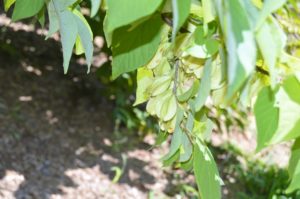
Fall interest: Produces decorative, spiky seed pods in the fall, adding visual interest even after blooming has ended.
Halesia carolina – Carolina Silverbell
Graceful size: Grows 15-30 feet tall, making it an excellent choice for small landscapes and urban gardens.
Beautiful blooms: Produces delicate, bell-shaped white flowers in spring that dangle elegantly from the branches, attracting pollinators.
Deciduous foliage: Features glossy green leaves that turn a lovely yellow in the fall, adding seasonal interest.
Low-maintenance: Tolerates a range of soil types and is resistant to many common pests and diseases, making it easy to care for.
Unique structure: Its layered branching habit and attractive bark provide visual interest throughout the year, even in winter.
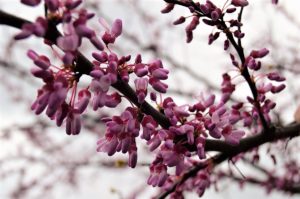
Unique foliage: Features heart-shaped leaves that emerge deep purple in spring and transition to vibrant green in summer, providing stunning seasonal color.
Striking blooms: Produces clusters of rosy-pink flowers in early spring, adding a beautiful pop of color before the leaves appear.
Moderate size: Grows 20-30 feet tall, making it an ideal choice for small gardens or as an accent tree.
Attracts wildlife: Flowers draw in pollinators like bees and butterflies, enhancing the biodiversity of your garden.
Low-maintenance: Thrives in full sun to partial shade and is relatively resistant to pests and diseases, requiring minimal care.
Incorporating the right trees can transform your outdoor space, especially when you’re working with limited room. The options we’ve explored, including the Kousa Dogwood, Tonto Crape Myrtle, Okame Flowering Cherry, Bloodgood Japanese Maple, Tonto Crape Myrtle, Red Buckeye, Carolina Silverbell, Snow Fountain Weeping Cherry, and Forest Pansy Redbud, each offer unique beauty and benefits tailored for small landscapes.
When selecting landscape trees for small spaces, consider their seasonal interest, size, and maintenance needs to find the perfect fit for your garden. With the right choices, you can create a vibrant and inviting outdoor sanctuary that reflects your personal style while maximizing the beauty of your limited space. Embrace the charm of these trees and watch your garden flourish all year round!
At Allentuck Landscaping Company, our mission is to create beautiful environments for people to enjoy. We see landscaping as a way to improve people’s lives.
The Allentuck Landscaping Company team has been delighting homeowners in Maryland, Washington DC and Northern Virginia for over 28 years with our turnkey approach to landscape design, installation, construction and maintenance. Most companies try to serve many types of customers at the same time; homeowners, shopping centers, office buildings and the list goes on. At Allentuck Landscaping Company, we focus on one customer, you, the homeowner. We have a singular focus on bringing you the best landscape practices, the best customer service, and the best value for your home.
How A Stone Patio in Potomac, MD Transformed This Backyard into a Beautiful Outdoor Retreat Imagine stepping out your back door into a space that feels like an extension of your home—a stone patio that combines elegance and function, perfect for relaxing evenings, lively gatherings, or simply enjoying your morning coffee. This is exactly what Allentuck Landscaping Co. created for a homeowner in Potomac, MD: a beautiful, expertly crafted stone patio that enhances the backyard with style and substance. From
First Impressions Matter—A Lot When someone pulls up to your home, what do they see first? It’s not your new kitchen. Not the bathroom remodel. It’s your landscaping. Front yards, walkways, trees, and plant beds—they all create an immediate impression. And if you’re wondering, Does landscaping increase home value? The short answer is yes. The longer answer? It depends on what you do, how well it’s done, and how consistently it’s maintained. Let’s break it down so you can make
It’s a common scene: the hose is on, the sprinkler is going, and the plants are getting their daily drink. But here’s the thing—too much of a good thing can become a problem. Can too much water kill landscape plants? Yes, it absolutely can. In fact, overwatering is one of the most common (and most misunderstood) causes of plant decline in home landscapes. Homeowners often mean well, but those extra soakings might be slowly drowning your plants. Knowing when to
Top June garden tips start with recognizing that June brings the official start of summer—and with it, longer days, warmer temperatures, and the need for consistent garden care. Plants are in full growth mode, flowers are blooming, and lawns are growing fast. With just a bit of maintenance and attention, you can help your garden thrive through the season. Here are your Top June Garden Tips to stay on top of summer gardening tasks. 1. Water Deeply and Consistently By
This blog is being reposted in honor of Memorial Day and in remembrance of the brave men and women interred at Arlington National Cemetery. We share this story as a tribute to their sacrifice and to highlight how our team at Allentuck Landscaping Co. gives back through service. On July 18, 2022, the Allentuck Landscaping Co. team had the distinct honor of participating in Renewal & Remembrance at Arlington National Cemetery—an annual event that brings together landscape and lawn care
Summer’s right around the corner—and with it comes sunshine, outdoor fun, and longer days. But before you fire up the grill or invite friends over for a backyard get-together, take a moment to get your home ready for summer. A little prep now can help you stay cool, comfortable, and carefree when the temperatures climb. Whether you’re a seasoned homeowner or tackling seasonal maintenance for the first time, these 10 tips will make sure your house is set up for


 Lagerstroemia ‘Tonto’ – Tonto Crape Myrtle
 Acer palmatum ‘Bloodgood’ – Bloodgood Japanese Maple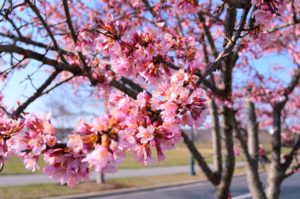


 Cercis canadensis ‘Forest Pansy’ – Forest Pansy Redbud