
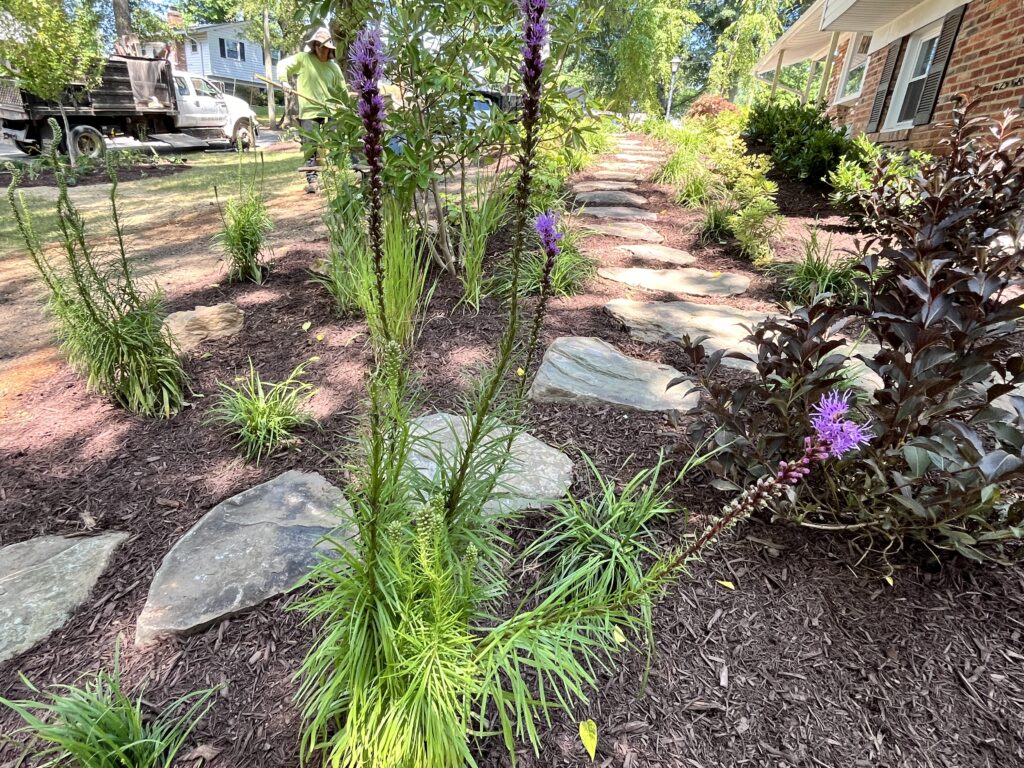
You’ve planted. You’ve watered. You’ve dreamed of a lush, vibrant garden that turns heads and brings you joy every time you step outside.
But after a year, things look… underwhelming. Sparse blooms. Thin growth. Disappointment creeping in.
Relax. You’re not failing. Your garden is just following the Gardening 3 Year Rule.
This simple but powerful idea explains how most plants behave over time—and why patience is one of your most valuable gardening tools. If you’re planning a new landscape or refreshing an old bed, understanding this rule will help you set the right expectations and avoid pulling up perfectly good plants too soon.
Let’s dig into it.
What Is the Gardening 3 Year Rule?
The Gardening 3 Year Rule goes like this:
Year one it sleeps. Year two it creeps. Year three it leaps.
It’s not a myth or just a cute saying—it’s a helpful reminder of what’s happening behind the scenes when you start a new garden. While the soil settles and roots take hold, most perennials, shrubs, and even some trees go through these three distinct stages of growth.
They don’t pop up overnight like vegetables or annuals. They take time to get established, and each year builds on the last.
What to Expect
| Year | What You’ll See | What You Should Do |
|---|---|---|
| 1 | Root establishment | Water consistently |
| 2 | Steady growth | Mulch and light pruning |
| 3 | Mature appearance | Enjoy and maintain |
Year One: “It Sleeps”
This is the quiet phase. Don’t be surprised if your plants look a little sad or don’t grow much. That’s completely normal.
Here’s what’s really going on:
-
Roots are getting established. They’re growing deep and wide to support future top growth.
-
Minimal foliage and blooms. The plant is using energy below the surface, not above.
-
Leaves may look smaller or fewer. This doesn’t mean the plant is unhealthy.
What to do:
-
Water regularly, especially during dry spells.
-
Keep weeds away so roots don’t compete.
-
Avoid heavy pruning or fertilizing. Just let the plant settle in.
Year Two: “It Creeps”
Now things start to shift. You’ll likely see a bit more growth, more blooms, and a fuller shape—but still not the big wow moment the Gardening 3 Year Rule promises.
Here’s what to expect:
-
Modest growth. Plants might spread a bit or grow taller, but still look somewhat sparse.
-
More flowers and leaves. But not yet at their full potential.
-
Root system continues to expand.
What to do:
-
Keep watering consistently, especially in hot weather.
-
Apply mulch to conserve moisture and control weeds.
-
Light pruning is okay to shape the plant or remove dead material.
-
Consider a light, balanced fertilizer in spring if your soil needs a boost.
Year Three: “It Leaps”
This is when the magic happens.
By year three, your plants are confident. Their roots are strong, and now they’re putting on a show.
Expect to see:
-
Vigorous growth. Plants fill in rapidly and start to reach their mature size.
-
Abundant flowers and foliage. Blooms are fuller and longer-lasting.
-
A lush, established look. Your garden finally resembles what you imagined.
What to do:
-
Continue consistent care—watering, mulching, and light feeding.
-
Begin shaping and pruning as needed to maintain appearance.
-
Step back and enjoy the transformation!
Why the Gardening 3 Year Rule Matters
Gardening takes time—and that’s okay. The Gardening 3 Year Rule gives you a realistic timeline and helps you avoid giving up on plants too early.
Too many homeowners dig up healthy perennials after just one year, thinking they failed. They didn’t. The plant was just sleeping. Or creeping.
By knowing this rule, you can:
-
Save money by not replacing perfectly good plants prematurely.
-
Reduce stress by setting expectations upfront.
-
Plan smarter by giving your landscape time to evolve.
How to Support Your Garden During the 3-Year Timeline
It’s not just about waiting—it’s about helping your garden grow the right way. Here are simple things you can do:
-
Prepare your soil before planting. Good soil is the foundation of every healthy garden.
-
Use mulch. It keeps moisture in, keeps weeds out, and improves soil over time.
-
Water deeply and less often. Shallow watering encourages shallow roots.
-
Be patient with pruning. Let plants grow into themselves before shaping aggressively.
-
Monitor for pests and disease. Catching problems early makes a big difference.
When the Rule Doesn’t Apply
Not everything follows the Gardening 3 Year Rule.
Some plants break the rules:
-
Annuals bloom fast and die in a season. No waiting required.
-
Fast-growing perennials like coneflowers or black-eyed Susans may leap by year two.
-
Native plants often adapt quickly, especially in the right conditions.
So don’t take the rule as a law. It’s a guideline that applies best to perennials, shrubs, and new landscape installations.
Great gardens aren’t instant—they’re earned. With care, patience, and a bit of knowledge, your garden will reward you in ways you never imagined. The Gardening 3 Year Rule isn’t just about plants—it’s about understanding growth, embracing the journey, and trusting the process.
Related Posts:
8 Best Low Maintenance Landscape Plants
8 Landscape Trees For Small Spaces
Allentuck Landscaping Company is Your Residential Landscape Company
Phone: 301-515-1900
At Allentuck Landscaping Company, our mission is to create beautiful environments for people to enjoy. We see landscaping as a way to improve people’s lives.
The Allentuck Landscaping Company team has been delighting homeowners in Maryland, Washington DC and Northern Virginia for over 28 years with our turnkey approach to landscape design, installation, construction and maintenance. Most companies try to serve many types of customers at the same time; homeowners, shopping centers, office buildings and the list goes on. At Allentuck Landscaping Company, we focus on one customer, you, the homeowner. We have a singular focus on bringing you the best landscape practices, the best customer service, and the best value for your home.
Services Provide – Master Landscape Plans, Complete Maintenance Programs, Plantings, Patios, Walkways, Retaining Walls, Water Features, Outdoor Lighting, Outdoor Kitchens, Trellises & Pergolas, Irrigation Systems, Drainage Solutions, Grading & Sodding. Fire Pits & Fire Places, Spring Clean Ups, Decks, Fences
Areas Served – Chevy Chase, Bethesda, Potomac, Rockville, North Potomac, Darnestown, Gaithersburg, Germantown, Travilah, Damascus, Boyds, Clarksburg, Ijamsville, Urbana, Frederick and Washington DC.
Allentuck Landscaping Co. is a proud member of the National Association of Landscape Professionals and MyLandscapeAcademy.
13711 Travilah Rd, Rockville, MD 20850
(301) 515-1900