
What Is The Correct Lawn Mowing Height For My Lawn?
One of the most common questions we hear from both clients and homeowners is, “What’s the best lawn mowing height?” It’s a great question—and one that’s often misunderstood. Many people believe that mowing the lawn shorter means they’ll have to mow less often and that the lawn will look sharper and cleaner. But the truth is, mowing too short can actually harm your grass and lead to bigger problems down the road.
The Rule of One-Third
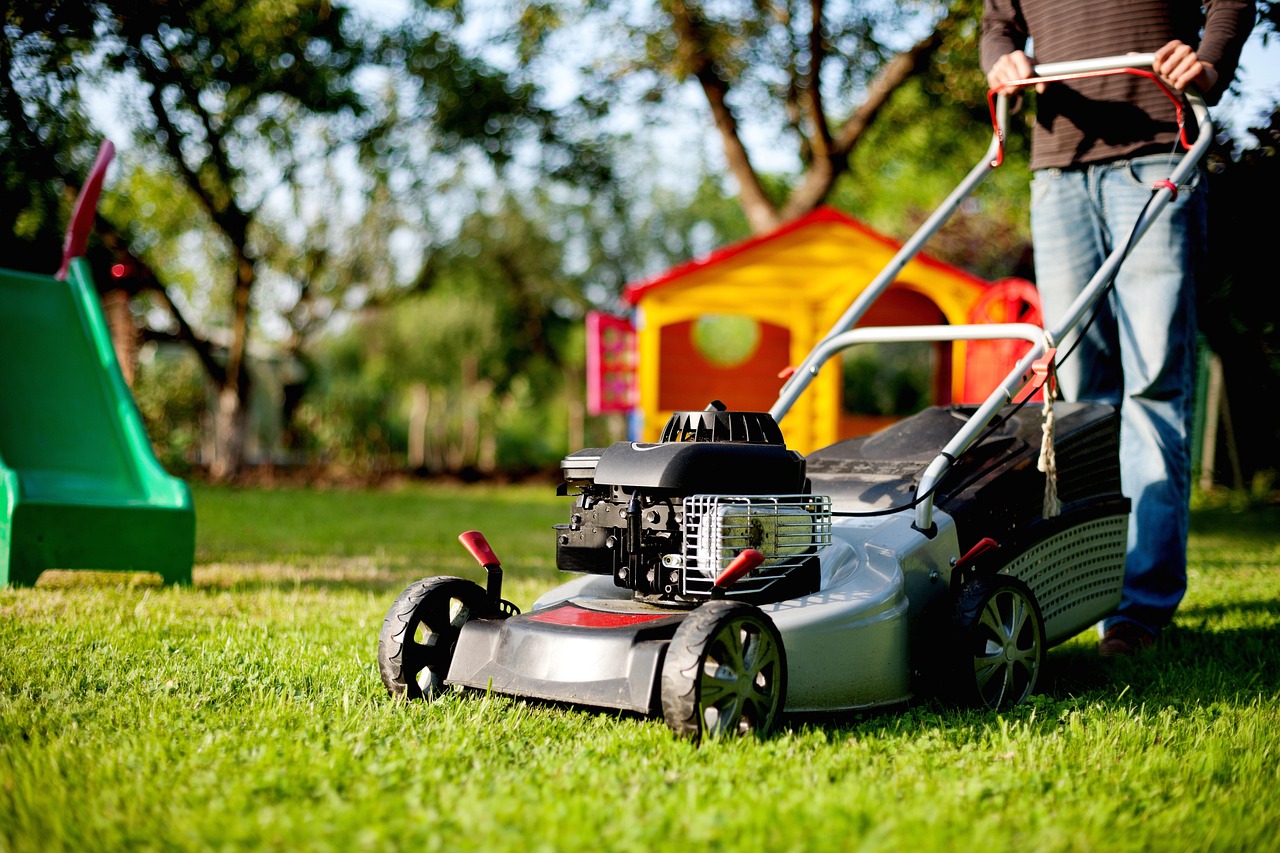 A good rule of thumb for maintaining the proper lawn mowing height is to never remove more than one-third of the grass blade in a single mowing. Cutting off more than this can send your lawn into shock, weaken the grass, and reduce its ability to photosynthesize. Just like our bodies need food to function, grass needs a sufficient leaf surface to absorb sunlight and create energy.
Why Cutting Too Short Damages Your Lawn
The shorter your grass is, the less shaded the base of the plant and its roots will be. This lack of shade increases water loss through evaporation and transpiration, especially during hot summer months. A lawn mowed too short is more likely to dry out quickly and turn brown or patchy.
Short grass is also more vulnerable to weed invasion. Taller grass blades help crowd out weeds by blocking sunlight from reaching weed seeds. In contrast, mowing your lawn too short creates open space for weeds to germinate and thrive.
Real-Life Results from Turfgrass Experts
We recently visited the University of Maryland Turfgrass Research Facility in College Park, where they’ve conducted long-term studies on optimal lawn mowing height. They maintained several test plots at different mowing heights: 1”, 2”, 3”, and 4”. All plots were fertilized the same way—just like we care for our clients’ lawns—and no weed control was applied.
The difference between the plots was dramatic:
-
The 1” and 2” plots were thin, discolored, and full of weeds.
-
The 3” and 4” plots were lush, green, and significantly weed-free.
This experiment clearly shows that a higher lawn mowing height promotes healthier, thicker turf with fewer weeds—even without chemical weed control.
What’s the Best Lawn Mowing Height?
While a 4” lawn is certainly the healthiest in terms of weed suppression and drought tolerance, it can sometimes look a bit unkempt. That’s why we recommend setting your mower to 3 inches. At this lawn mowing height, you get the best of both worlds: a neat, crisp appearance and a lawn that is thick enough to shade the soil, conserve moisture, and outcompete weeds naturally.
Choosing the right lawn mowing height is one of the easiest and most effective ways to keep your grass healthy and looking great all season long. Resist the urge to mow too short, and instead aim for that ideal 3-inch height to promote strong roots, reduce weeds, and maintain a vibrant, green lawn.
Related Posts:
7 Things To Know About Watering Your Lawn
5 Things To Look For In Your Next Lawn Care Company
Should I Aerate and Overseed My Lawn?
Allentuck Landscaping Company is Your Residential Landscape Company
Phone: 301-515-1900
At Allentuck Landscaping Company, our mission is to create beautiful environments for people to enjoy. We see landscaping as a way to improve people’s lives.
The Allentuck Landscaping Company team has been delighting homeowners in Maryland, Washington DC and Northern Virginia for over 28 years with our turnkey approach to landscape design, installation, construction and maintenance. Most companies try to serve many types of customers at the same time; homeowners, shopping centers, office buildings and the list goes on. At Allentuck Landscaping Company, we focus on one customer, you, the homeowner. We have a singular focus on bringing you the best landscape practices, the best customer service, and the best value for your home.
Services Provide – Master Landscape Plans, Complete Maintenance Programs, Plantings, Patios, Walkways, Retaining Walls, Water Features, Outdoor Lighting, Outdoor Kitchens, Trellises & Pergolas, Irrigation Systems, Drainage Solutions, Grading & Sodding. Fire Pits & Fire Places, Spring Clean Ups, Decks, Fences
Areas Served – Chevy Chase, Bethesda, Potomac, Rockville, North Potomac, Darnestown, Gaithersburg, Germantown, Travilah, Damascus, Boyds, Clarksburg, Ijamsville, Urbana, Frederick and Washington DC.
Allentuck Landscaping Co. is a proud member of the National Association of Landscape Professionals and MyLandscapeAcademy.
13711 Travilah Rd, Rockville, MD 20850
(301) 515-1900