
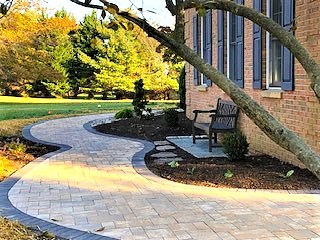
A front walkway is one of those details that seems small—until it isn’t. Too narrow, and it feels awkward. Too wide, and it might look out of place. Just right? It feels welcoming. Comfortable. Easy. So, let’s answer the question that brings you here: how wide should a front walkway be? The answer depends on how you use it, what kind of impression you want to make, and how it fits into the style of your home.
We’ve been designing and building walkways for over 35 years, and here’s what we know for sure: width matters more than most people think.
The Quick Answer: How Wide Should A Front Walkway Be?
If you’re in a hurry, here’s the short version:
-
Minimum width: 3 feet (tight, but functional for one person)
-
Ideal width: 4 to 5 feet (roomy enough for two people to walk side-by-side)
-
Premium width: 5+ feet (adds presence and polish to your home’s entrance)
Now, those numbers aren’t random. They’re based on how people actually move through space. When asking how wide should a front walkway be, three feet is the minimum for one person, but add a second person, a dog on a leash, or a couple grocery bags, and it starts to feel cramped. At 4 or 5 feet wide, it just works—no shoulder brushes, no stepping off into the grass.
What Impacts the Right Width?
1. Main Entrance or Side Path?
The walkway that leads directly to your front door should feel generous and inviting. It’s the red carpet to your home. This is where 4 to 5 feet wide makes a big difference.
A side path, like something that goes from the driveway around to the backyard, can be narrower—usually 3 feet is just fine there.
2. How You Use It
If this is the route your kids take to school every morning, or you’re often carrying Amazon boxes or dragging trash bins, err on the wider side. Function matters just as much as looks.
3. House Style and Scale
A grand Colonial or modern home with wide columns and big architectural features can make a 3-foot walkway feel like a tightrope. Bigger homes usually call for wider paths. On a smaller home, a 5-foot wide path may look out of proportion unless it’s well-balanced with plantings.
The Sweet Spot: Ideal Front Walkway Widths by Scenario
Standard Front Entry
Best choice: 4 to 5 feet wide
This gives people space to walk side-by-side and creates a natural, welcoming feeling. When thinking about how wide should a front walkway be, this width also gives you room to add things like potted plants or path lighting without crowding the walkway.
Walkway from Driveway to Front Door
Recommended: 4 feet wide
You’ll usually be carrying stuff—bags, groceries, maybe a toddler—so make it easy on yourself.
Side or Garden Path
Works well at: 3 feet wide
These paths can be narrower since they’re used less frequently or by fewer people at once.
Steps and Stoops
Match the walkway! A common mistake is narrowing the steps while the walkway is wide—or vice versa. It feels awkward and looks off. Keep the proportions consistent.
Design Tips That Make a Walkway Feel Wider (Without Actually Making It Wider)
Let’s say you’re working with limited space. There are ways to create the feeling of a wider walkway without adding inches.
-
Curves and gentle angles slow down the walk and make the space feel more relaxed.
-
Border materials—like bricks or stone edging—help define the path and add visual width.
-
Low plantings along the edges (instead of taller shrubs) open up the space.
-
Path lighting spaced evenly along both sides can subtly widen the appearance of the walkway after dark.
Common Mistakes That Can Make Your Walkway Feel Too Small
-
Skimping on width to save cost. You’ll regret it later—especially when you’re trying to carry a stroller, suitcase, or holiday decorations.
-
Planting too close. Shrubs and grasses grow fast. What seems fine today can crowd your walkway in a year or two.
-
Not thinking about water. A walkway that collects puddles or freezes over because of poor drainage is worse than one that’s too narrow. Make sure the grade and runoff are handled properly.
So, How Wide Should A Front Walkway Be?
Here’s the bottom line: a front walkway isn’t just a way to get from point A to B. It sets the tone for your home. It’s how you welcome guests, how your kids run to the bus stop, how you walk in after a long day. How wide should a front walkway be? Wide enough to feel comfortable, useful, and right for your home’s style.
Need help getting it just right? That’s where we come in. At Allentuck Landscaping Co., we’ve spent decades helping homeowners design walkways that don’t just work—they improve daily life.
Related Posts:
7 Front Walkway Ideas To Make Your Home More Welcoming
How Much Does a Front Walkway Cost?
Allentuck Landscaping Company is Your Residential Landscape Company
Phone: 301-515-1900
At Allentuck Landscaping Company, our mission is to create beautiful environments for people to enjoy. We see landscaping as a way to improve people’s lives.
The Allentuck Landscaping Company team has been delighting homeowners in Maryland, Washington DC and Northern Virginia for over 28 years with our turnkey approach to landscape design, installation, construction and maintenance. Most companies try to serve many types of customers at the same time; homeowners, shopping centers, office buildings and the list goes on. At Allentuck Landscaping Company, we focus on one customer, you, the homeowner. We have a singular focus on bringing you the best landscape practices, the best customer service, and the best value for your home.
Services Provide – Master Landscape Plans, Complete Maintenance Programs, Plantings, Patios, Walkways, Retaining Walls, Water Features, Outdoor Lighting, Outdoor Kitchens, Trellises & Pergolas, Irrigation Systems, Drainage Solutions, Grading & Sodding. Fire Pits & Fire Places, Spring Clean Ups, Decks, Fences
Areas Served – Chevy Chase, Bethesda, Potomac, Rockville, North Potomac, Darnestown, Gaithersburg, Germantown, Travilah, Damascus, Boyds, Clarksburg, Ijamsville, Urbana, Frederick and Washington DC.
Allentuck Landscaping Co. is a proud member of the National Association of Landscape Professionals and MyLandscapeAcademy.
13711 Travilah Rd, Rockville, MD 20850
(301) 515-1900