Want to block out prying eyes, dampen street noise, or create a lush backyard retreat? The right plants can do all that—and more. A natural screen doesn’t just add privacy; it enhances your landscape, boosts curb appeal, and even helps with wind and noise reduction. If you’re looking for the best screening plants, this guide will walk you through seven top choices that offer year-round beauty and dependable coverage. Whether you need a towering evergreen or a dense shrub, there’s a perfect plant for your yard.
1. Green Giant Arborvitae – The Fast and Reliable Choice
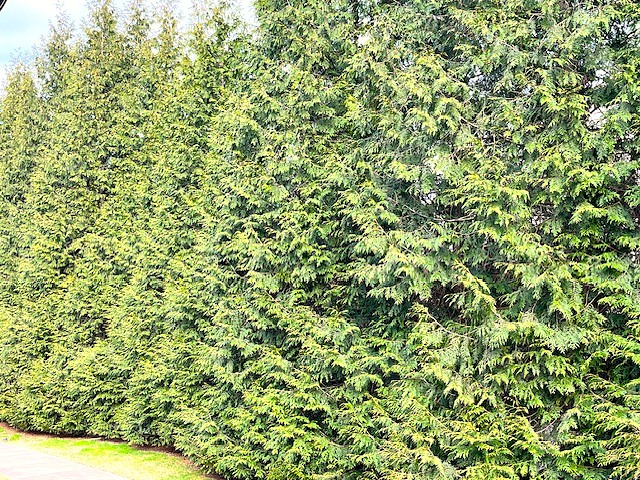
When it comes to best screening plants, Green Giant Arborvitae is hard to beat. This fast-growing evergreen can shoot up three feet per year, quickly forming a dense, green barrier. Once mature, it reaches 30 to 40 feet tall and about 10 feet wide, making it ideal for blocking views from second-story windows or busy roads.
Best for: Large properties, tall privacy screens
Sunlight needs: Full sun to partial shade
Spacing: 5 to 10 feet apart for a tight hedge
Care tips: Low-maintenance; prune lightly to maintain shape
2. Cryptomeria – Unique Texture with Evergreen Appeal
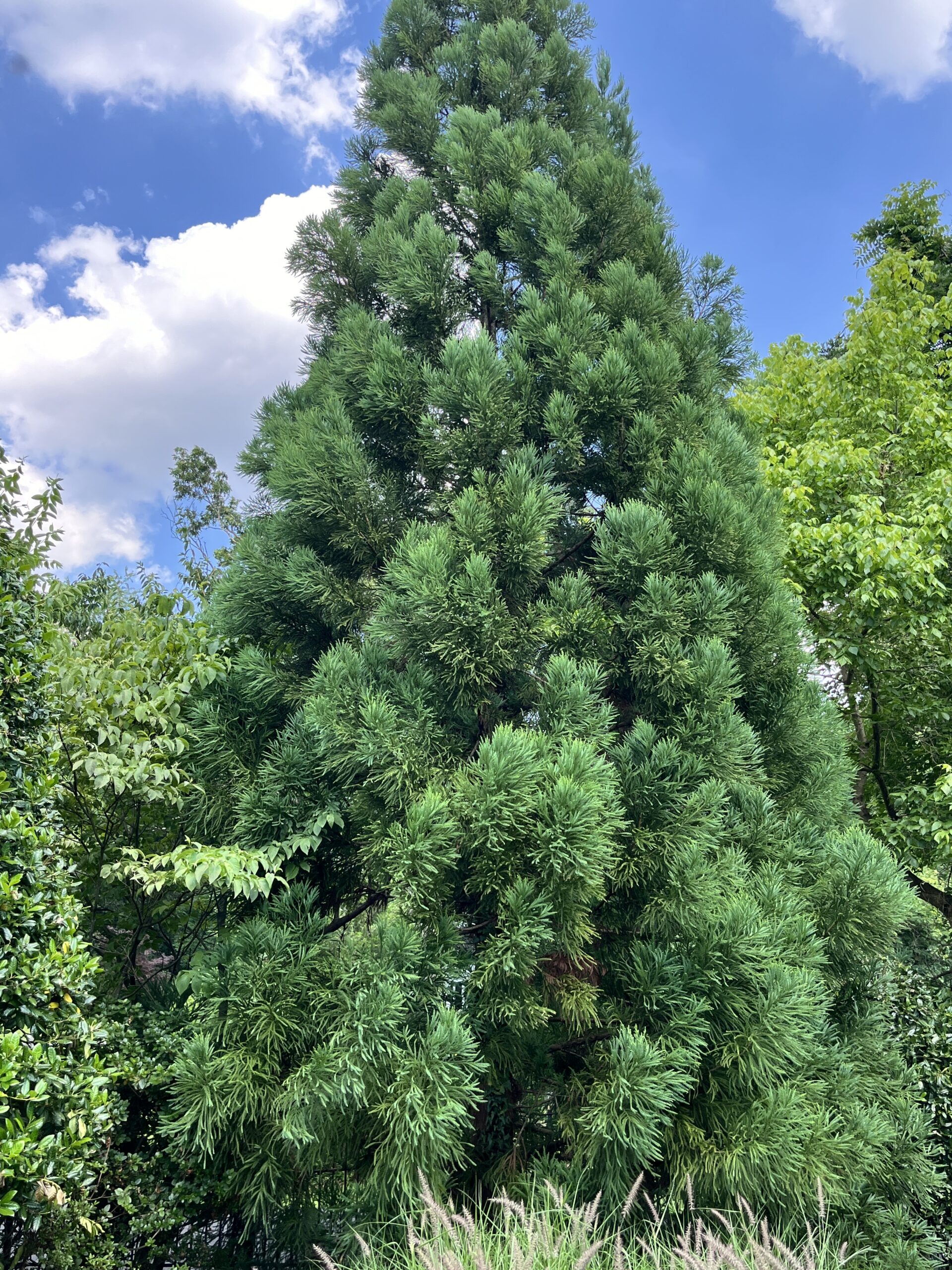
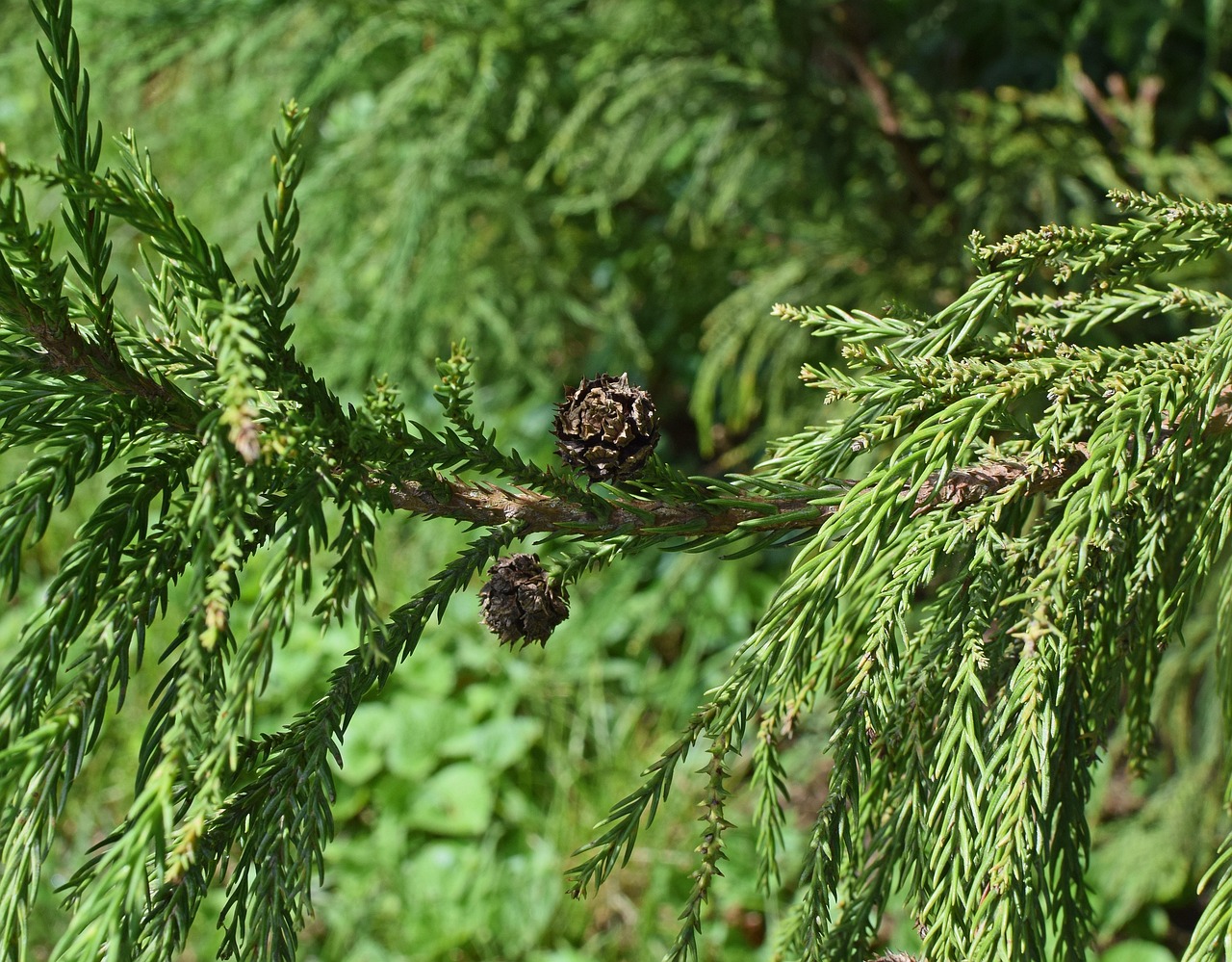
Looking for a screening plant that stands out? Cryptomeria, also known as Japanese Cedar, has soft, feathery foliage that changes from bright green in summer to a bronze hue in winter. It’s a great alternative to traditional evergreens if you want something with a bit more personality.
Best for: Year-round screening with a softer look
Sunlight needs: Full sun
Spacing: 8 to 12 feet apart
Care tips: Thrives in moist, well-drained soil; minimal pruning needed
3. Nellie Stevens Holly – Glossy Leaves and Winter Berries
For a best screening plant that’s as attractive as it is effective, consider Nellie Stevens Holly. This broadleaf evergreen boasts dense, glossy foliage and bright red berries in winter, making it a stunning addition to any yard. Plus, it’s deer-resistant—always a bonus.
Best for: Privacy with a pop of seasonal color
Sunlight needs: Full sun to partial shade
Spacing: 5 to 8 feet apart
Care tips: Prune in early spring to maintain shape
4. Leyland Cypress – The Speedster of Privacy Trees
If you need a privacy screen—and you need it fast—Leyland Cypress is the way to go. This tree can grow up to four feet per year, forming a thick, green wall in no time. It’s ideal for large spaces but requires room to spread.
Best for: Quick-growing privacy on bigger properties
Sunlight needs: Full sun
Spacing: 6 to 10 feet apart
Care tips: Regular trimming keeps it manageable; avoid planting too close to structures
5. Skip Laurel – Compact and Lush
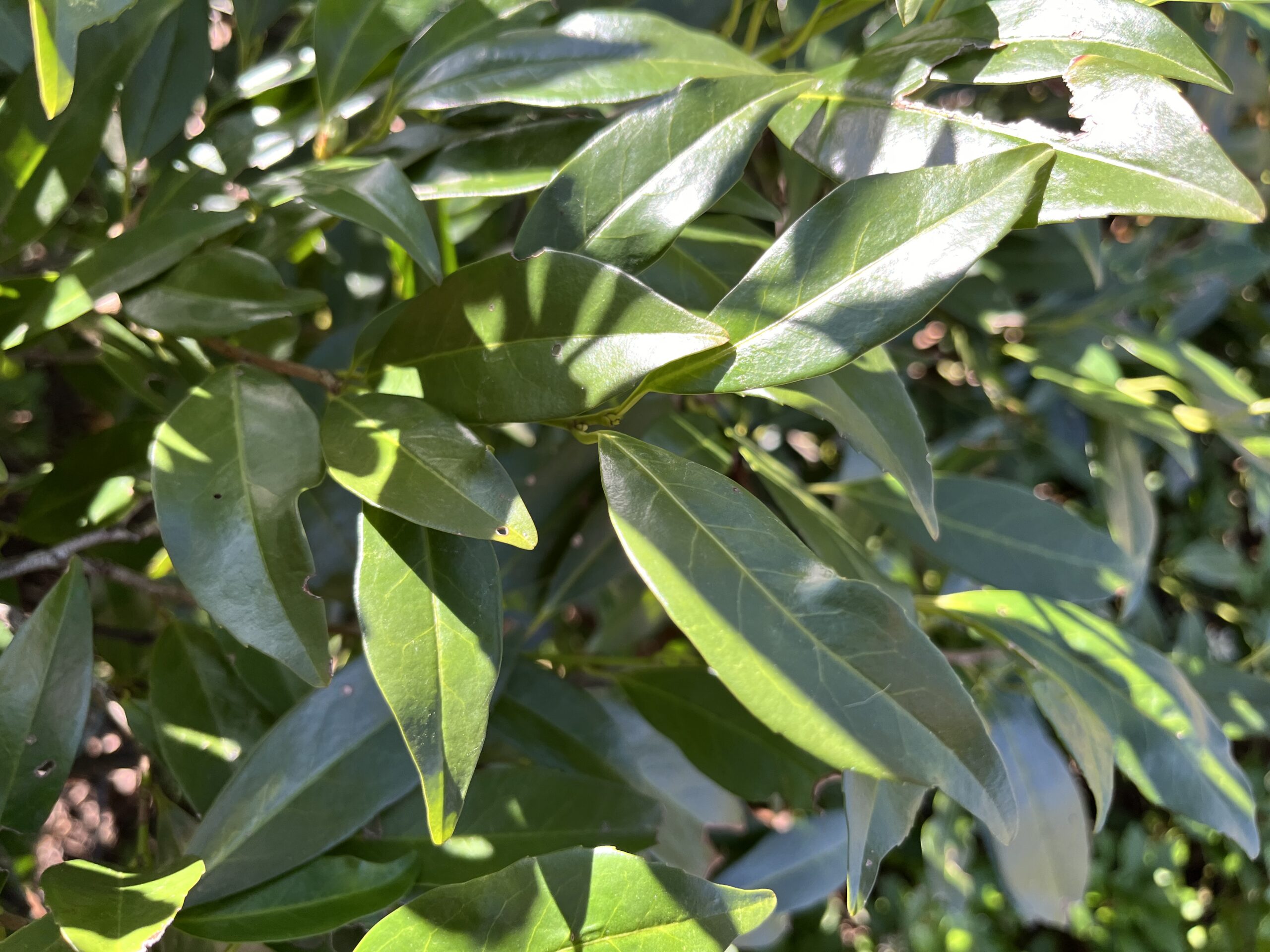
Short on space? Skip Laurel is a dense, evergreen shrub that makes an excellent lower hedge. It grows about 10 to 12 feet tall, filling in quickly with glossy, dark green leaves.
Best for: Smaller yards, elegant privacy hedges
Sunlight needs: Full sun to partial shade
Spacing: 3 to 5 feet apart for a solid screen
Care tips: Trim after flowering in spring to maintain shape
6. Leatherleaf Viburnum – A Tough, Low-Maintenance Option
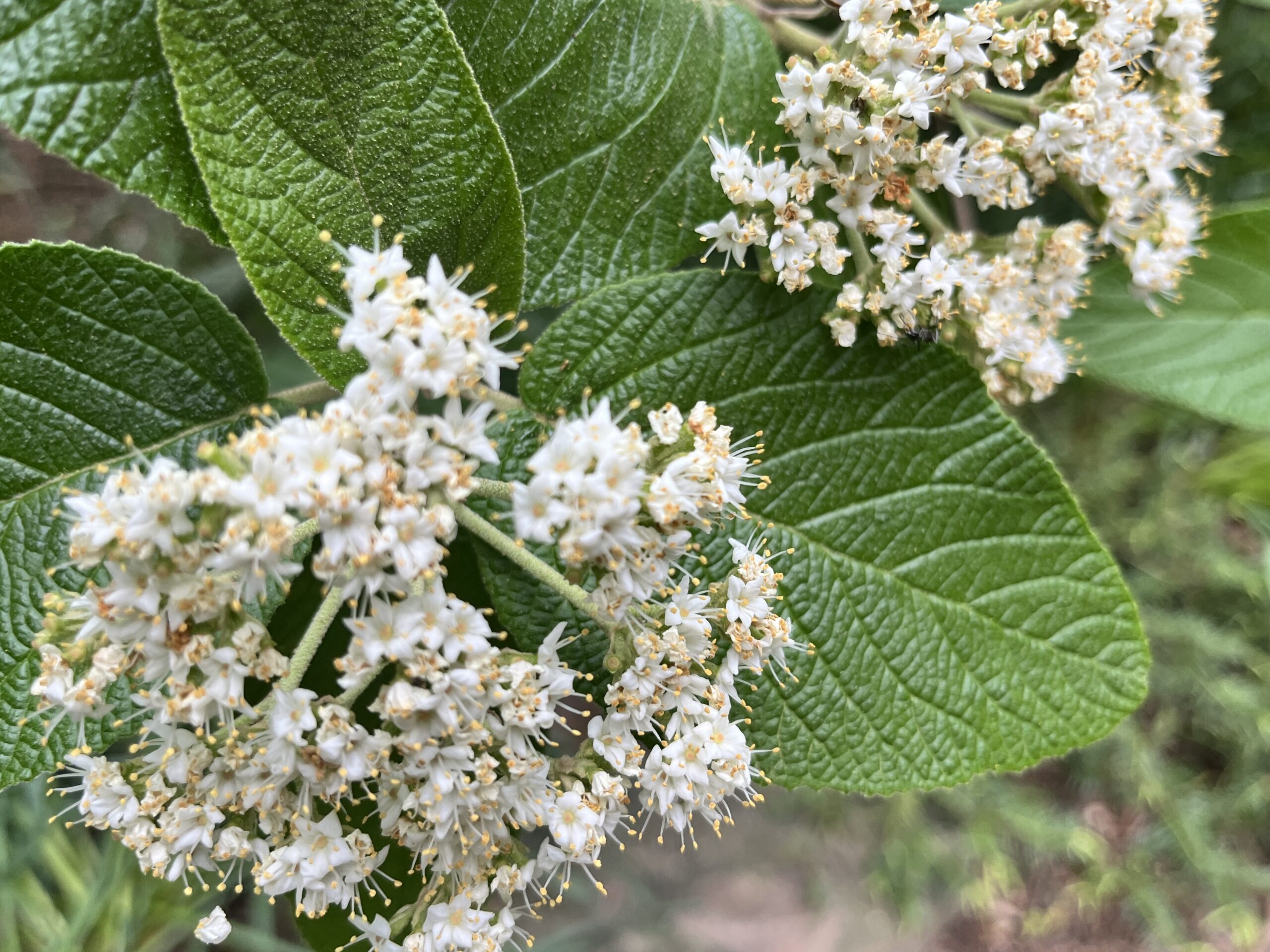
For a screening plant that’s both hardy and attractive, Leatherleaf Viburnum is a great pick. It offers thick, textured leaves and clusters of white flowers in spring, followed by dark berries in fall. While it’s not a true evergreen, it holds its leaves most of the year, providing plenty of coverage.
Best for: A mixed privacy screen with seasonal interest
Sunlight needs: Full sun to partial shade
Spacing: 5 to 7 feet apart
Care tips: Drought-tolerant once established; prune in early spring if needed
7. Mixing It Up – Creating the Best Screening Plants Combo
Sometimes, the best approach isn’t just one plant—it’s a strategic mix. Combining different plants creates a layered, natural look while increasing biodiversity in your yard. For example:
Pair Green Giant Arborvitae with Cryptomeria for a varied, textured privacy wall.
Mix Nellie Stevens Holly and Leatherleaf Viburnum for both evergreen coverage and seasonal interest.
Use Skip Laurel in front of Leyland Cypress for a double-layered hedge that blocks noise and wind.
Final Thoughts on the Best Screening Plants
Whether you need a fast-growing giant or a dense, compact hedge, the best screening plants can transform your yard into a private, peaceful retreat. Choosing the right plants depends on your space, sun conditions, and how quickly you want results. With a little planning, your landscape will be both beautiful and functional.
At Allentuck Landscaping Company, our mission is to create beautiful environments for people to enjoy. We see landscaping as a way to improve people’s lives.
The Allentuck Landscaping Company team has been delighting homeowners in Maryland, Washington DC and Northern Virginia for over 28 years with our turnkey approach to landscape design, installation, construction and maintenance. Most companies try to serve many types of customers at the same time; homeowners, shopping centers, office buildings and the list goes on. At Allentuck Landscaping Company, we focus on one customer, you, the homeowner. We have a singular focus on bringing you the best landscape practices, the best customer service, and the best value for your home.
It’s a common scene: the hose is on, the sprinkler is going, and the plants are getting their daily drink. But here’s the thing—too much of a good thing can become a problem. Can too much water kill landscape plants? Yes, it absolutely can. In fact, overwatering is one of the most common (and most misunderstood) causes of plant decline in home landscapes. Homeowners often mean well, but those extra soakings might be slowly drowning your plants. Knowing when to
Top June garden tips start with recognizing that June brings the official start of summer—and with it, longer days, warmer temperatures, and the need for consistent garden care. Plants are in full growth mode, flowers are blooming, and lawns are growing fast. With just a bit of maintenance and attention, you can help your garden thrive through the season. Here are your Top June Garden Tips to stay on top of summer gardening tasks. 1. Water Deeply and Consistently By
This blog is being reposted in honor of Memorial Day and in remembrance of the brave men and women interred at Arlington National Cemetery. We share this story as a tribute to their sacrifice and to highlight how our team at Allentuck Landscaping Co. gives back through service. On July 18, 2022, the Allentuck Landscaping Co. team had the distinct honor of participating in Renewal & Remembrance at Arlington National Cemetery—an annual event that brings together landscape and lawn care
Summer’s right around the corner—and with it comes sunshine, outdoor fun, and longer days. But before you fire up the grill or invite friends over for a backyard get-together, take a moment to get your home ready for summer. A little prep now can help you stay cool, comfortable, and carefree when the temperatures climb. Whether you’re a seasoned homeowner or tackling seasonal maintenance for the first time, these 10 tips will make sure your house is set up for
Designing your dream pool is exciting—but don’t forget the space around it. The surface you choose matters more than you think. It affects how safe your pool area is. How comfortable it feels. And how much maintenance you’ll need to do. So, what’s the best surface to have around a pool? Whether you’re building a new pool or refreshing an old one, this guide will walk you through the best options available—helping you find the right fit for your home,
You’ve planted. You’ve watered. You’ve dreamed of a lush, vibrant garden that turns heads and brings you joy every time you step outside.But after a year, things look… underwhelming. Sparse blooms. Thin growth. Disappointment creeping in. Relax. You’re not failing. Your garden is just following the Gardening 3 Year Rule. This simple but powerful idea explains how most plants behave over time—and why patience is one of your most valuable gardening tools. If you’re planning a new landscape or refreshing