
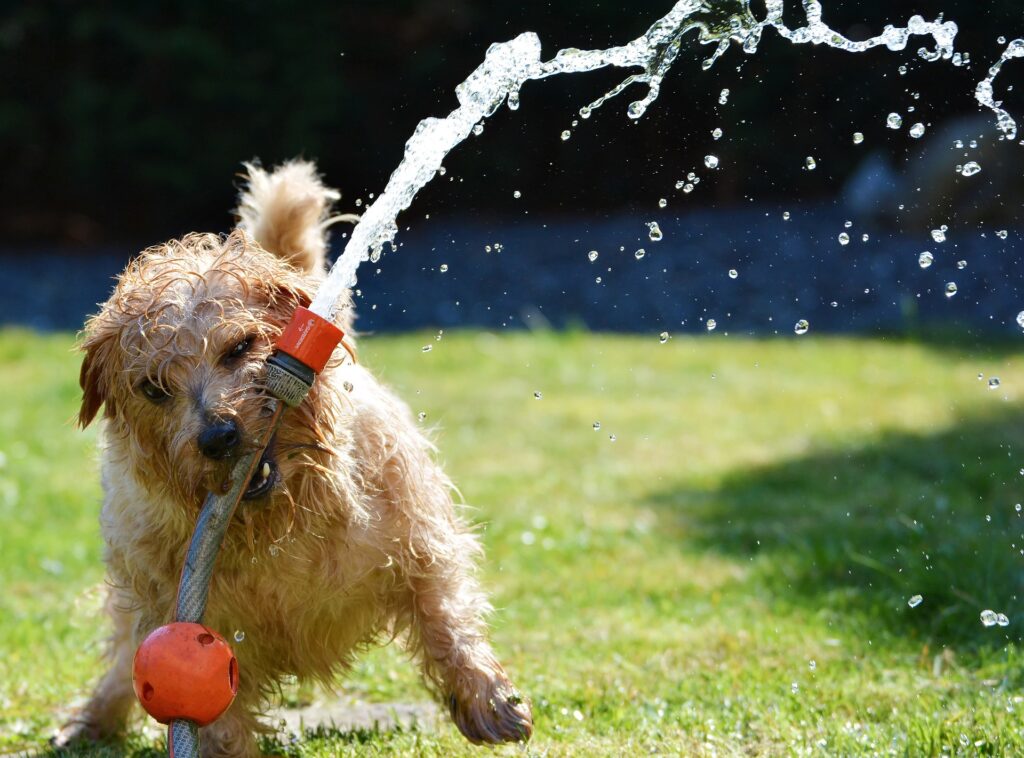
Getting your grass seed and seedlings off to a robust start is crucial for achieving a lush and vibrant lawn. While there are several factors that contribute to successful seed germination and sod rooting, proper watering practices play a pivotal role. In this blog, not only will we discuss Watering New Grass Seed and Seedlings, we will also delve into the art of watering your lawn, providing you with essential tips and techniques to ensure healthy root development and the growth of a resilient lawn.
Timing is Key
To maximize the benefits of watering, it is crucial to act swiftly after seeding or sodding your lawn. Aim to water as soon as possible, as this will enable the seeds to absorb the moisture they need to initiate germination. By doing so, you create an optimal environment for your grass to thrive.
 The Deep Watering Technique
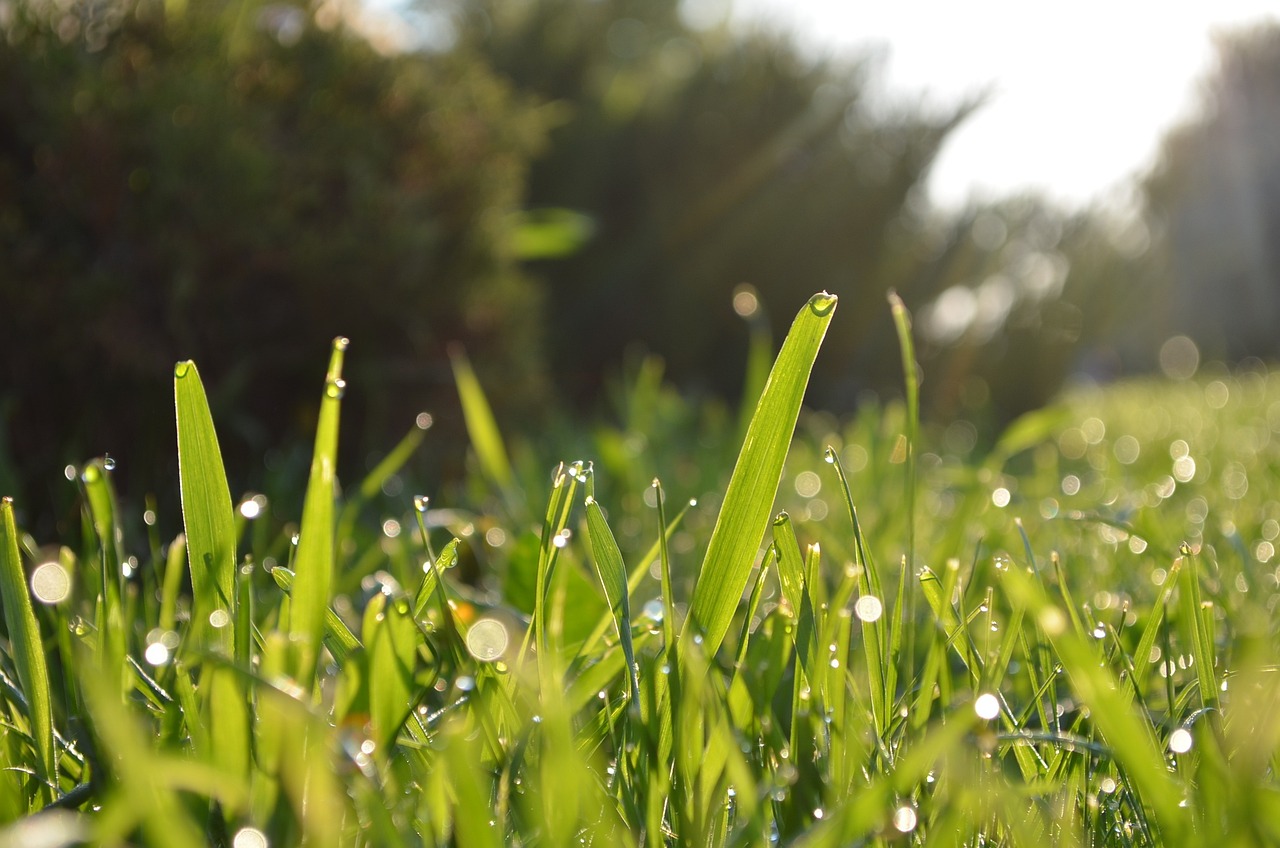
To encourage the development of robust root systems, it is imperative to ensure that the top two inches of soil become adequately saturated. Achieving this depth of moisture usually requires the use of a sprinkler or sprinkler system for a duration of 20-25 minutes. This deep watering method promotes healthy root growth, allowing your grass seedlings to establish a strong foundation.
Embrace the Mornings
To minimize the risk of disease and fungal problems, it is recommended to water your lawn in the mornings. By doing so, you take advantage of cooler temperatures and reduced wind, ensuring that the water has ample time to soak into the soil before the heat of the day. Morning watering also aids in preventing excess moisture from lingering on the grass blades, which can lead to fungal growth.
Gradual Transition to Less Frequent, Heavier Watering
Once your grass seed germinates and the seedlings begin to grow, typically around the two-week mark, it is essential to adjust your watering routine. Gradually transition from watering every other morning to watering less frequently but more deeply. This approach encourages the grass roots to search for water deeper in the soil, resulting in a more resilient and drought-tolerant lawn.
Tapering Off for Mature Grass
As your grass matures and becomes taller, it requires less frequent watering. Gradually taper off the watering schedule, allowing the grass to adapt to natural rainfall patterns. This transition will encourage the roots to grow deeper, enhancing their ability to access water and nutrients from the soil.
Avoid Overwatering
While it is crucial to provide adequate moisture, overwatering can be detrimental to your lawn. Excessive water can lead to shallow root growth, increased susceptibility to diseases, and even waterlogging. It is essential to strike a balance by providing enough water to encourage deep root penetration without saturating the soil excessively.
Watering Frequency
While we recommend watering every other morning initially, it’s important to remember that the frequency may vary depending on factors such as soil type, climate, and grass species. Keep a close eye on the moisture level of the soil and adjust your watering schedule accordingly. Your goal is to maintain a consistent level of moisture without creating waterlogged conditions.
Consideration for Sloped Areas
If your lawn has sloped areas, pay special attention to them during watering. These areas tend to dry out more quickly due to water runoff. To ensure even moisture distribution, you may need to adjust your watering technique or use specialized watering methods such as drip irrigation or soaker hoses.
Watering during Dry Spells
During extended periods of drought or dry spells, it is crucial to supplement rainfall with additional watering. Monitor your lawn closely for signs of stress, such as wilting or discoloration, and adjust your watering schedule accordingly. Remember, a well-maintained watering routine can help your grass withstand challenging conditions and stay healthy.
Allentuck Landscaping Company is Your Residential Landscape Company
Phone: 301-515-1900
At Allentuck Landscaping Company, our mission is to create beautiful environments for people to enjoy. We see landscaping as a way to improve people’s lives.
The Allentuck Landscaping Company team has been delighting homeowners in Maryland, Washington DC and Northern Virginia for over 28 years with our turnkey approach to landscape design, installation, construction and maintenance. Most companies try to serve many types of customers at the same time; homeowners, shopping centers, office buildings and the list goes on. At Allentuck Landscaping Company, we focus on one customer, you, the homeowner. We have a singular focus on bringing you the best landscape practices, the best customer service, and the best value for your home.
Services Provide – Master Landscape Plans, Complete Maintenance Programs, Plantings, Patios, Walkways, Retaining Walls, Water Features, Outdoor Lighting, Outdoor Kitchens, Trellises & Pergolas, Irrigation Systems, Drainage Solutions, Grading & Sodding. Fire Pits & Fire Places, Spring Clean Ups, Decks, Fences
Areas Served – Chevy Chase, Bethesda, Potomac, Rockville, North Potomac, Darnestown, Gaithersburg, Germantown, Travilah, Damascus, Boyds, Clarksburg, Ijamsville, Urbana, Frederick and Washington DC.
Allentuck Landscaping Co. is a proud member of the National Association of Landscape Professionals and MyLandscapeAcademy.
13711 Travilah Rd, Rockville, MD 20850
(301) 515-1900