
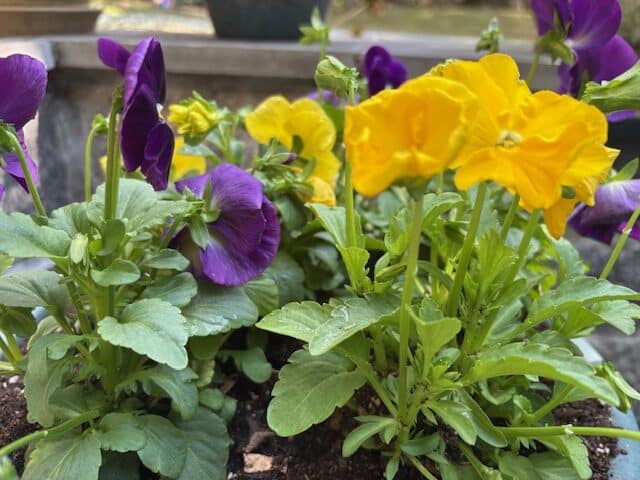
September marks the shift from hot summer days to cooler autumn evenings—a welcome change for both gardeners and their landscapes. While your garden may still be full of late-summer blooms and harvests, it’s also the perfect time to prepare for fall. These Top September Garden Tips will help you enjoy the last of summer’s bounty while getting your landscape ready for the season ahead.
1. Refresh and Revive Your Lawn
Lawns often feel the stress of summer heat and foot traffic. One of the Top September Garden Tips is to use September as prime time for revitalization.
-
Aerate the Soil: Loosen compacted soil to improve water and nutrient flow.
-
Overseed Thin Areas: Add grass seed to bare spots for a thicker, healthier lawn next spring.
-
Fertilize for Fall Growth: A balanced fertilizer now helps roots grow strong before winter.
A lush lawn next year starts with attention this month.
2. Keep Up with Weeding and Mulching
Don’t let weeds take over just because summer’s ending—one of the Top September Garden Tips is staying ahead of them now.
-
Weed Regularly: Early fall weeds can spread quickly and compete with perennials.
-
Top Off Mulch: Add a fresh layer to insulate plant roots as temperatures begin to drop.
-
Prevent Winter Weeds: Staying ahead now makes for less work come spring.
This simple step is one of the Top September Garden Tips that pays off year-round.
3.  Plant for Fall Color and Spring Blooms
September is planting season—take advantage of the cooler days and warm soil.
-
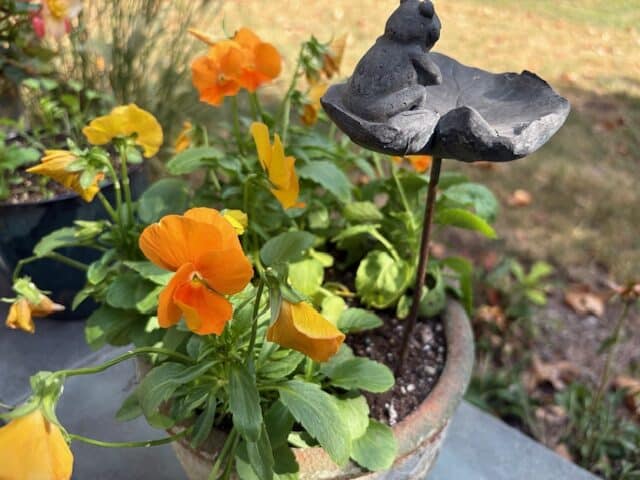
Fall Annuals: Mums, pansies, and ornamental kale bring instant autumn color.
-
Perennials: Divide and transplant perennials to keep them vigorous.
-
Spring Bulbs: Plant daffodils, tulips, and hyacinths now for a bright display next year.
Planting in September sets the stage for a colorful fall and a stunning spring.
4. Harvest and Preserve Your Vegetables
Late-summer veggies are at their peak—don’t let them go to waste.
-
Pick Regularly: Harvest tomatoes, peppers, and squash before frost.
-
Plant Cool-Season Crops: Lettuce, spinach, and kale thrive in the cooler days ahead.
-
Preserve the Harvest: Freeze, can, or dry surplus produce to enjoy all winter.
Extending your vegetable garden into fall is one of the most rewarding Top September Garden Tips.
5. Begin Fall Clean-Up
A little work now will save big effort later.
-
Remove Spent Plants: Clear out faded annuals and diseased foliage.
-
Prune Selectively: Trim dead or damaged branches, but save heavy pruning for winter.
-
Clean Tools: Sharpen blades and sanitize tools for fall projects.
Tidy beds and prepped tools set you up for an easier transition into the cooler months.
September Is a Month of Balance
It’s the perfect mix of enjoying late-summer beauty while preparing for what’s next. By following these Top September Garden Tips, you’ll keep your landscape healthy, colorful, and ready for fall’s arrival.
Related Posts:
The Benefits of Lawn Aeration, Overseeding, and Topdressing
How Much Does An Outdoor Kitchen Cost in the Rockville, MD Area?
Allentuck Landscaping Company is Your Residential Landscape Company
Phone: 301-515-1900
At Allentuck Landscaping Company, our mission is to create beautiful environments for people to enjoy. We see landscaping as a way to improve people’s lives.
The Allentuck Landscaping Company team has been delighting homeowners in Maryland, Washington DC and Northern Virginia for over 28 years with our turnkey approach to landscape design, installation, construction and maintenance. Most companies try to serve many types of customers at the same time; homeowners, shopping centers, office buildings and the list goes on. At Allentuck Landscaping Company, we focus on one customer, you, the homeowner. We have a singular focus on bringing you the best landscape practices, the best customer service, and the best value for your home.
Services Provide – Master Landscape Plans, Complete Maintenance Programs, Plantings, Patios, Walkways, Retaining Walls, Water Features, Outdoor Lighting, Outdoor Kitchens, Trellises & Pergolas, Irrigation Systems, Drainage Solutions, Grading & Sodding. Fire Pits & Fire Places, Spring Clean Ups, Decks, Fences
Areas Served – Chevy Chase, Bethesda, Potomac, Rockville, North Potomac, Darnestown, Gaithersburg, Germantown, Travilah, Damascus, Boyds, Clarksburg, Ijamsville, Urbana, Frederick and Washington DC.
Allentuck Landscaping Co. is a proud member of the National Association of Landscape Professionals and MyLandscapeAcademy.
13711 Travilah Rd, Rockville, MD 20850
(301) 515-1900