
Plan A Pollinator Garden For Your Home
Growing a pollinator garden is one of the best, and most beautiful, ways to create a more sustainable planet. You may not realize if, but pollinators are very important to each of us in our daily lives. Without pollinators, our food supply would simply collapse. Many pollinator populations are in decline due to the loss of food sources and nesting habitats. Pollution, the misuse of chemicals, disease, and changes in climatic patterns are also contributing to shrinking and shifting pollinator populations. You can help by using plants that pollinators rely on for food and shelter and, in the process, end up with some very nice looking plants in your garden.
Why Pollinators Are Important
According to Pollinator Partnership, Somewhere between 75% and 95% of all flowering plants on the earth need help with pollination – they need pollinators. Pollinators provide pollination services to over 180,000 different plant species and more than 1200 crops. That means that 1 out of every three bites of food you eat is there because of pollinators. If we want to talk dollars and cents, pollinators add 217 billion dollars to the global economy, and honey bees alone are responsible for between 1.2 and 5.4 billion dollars in agricultural productivity in the United States. In addition to the food that we eat, pollinators support healthy ecosystems that clean the air, stabilize soils, protect from severe weather, and support other wildlife.
What Are Pollinators?
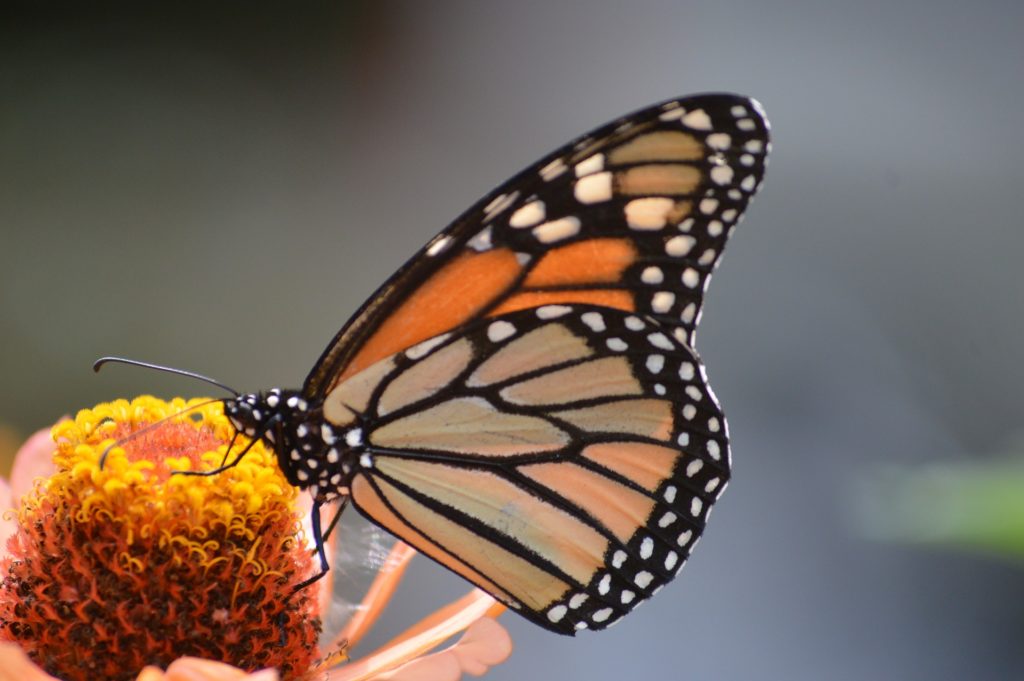
When people hear the word “pollinator”, they usually think of bees. And while bees are a major pollinator insect, any animal that assists in the pollination of plants is considered a pollinator. This includes birds, bats, butterflies, beetles, small mammals and, yes, all sorts of bees.
Tips For Planting A Pollinator Garden
Use native plants. These plants are best adapted for where you live and are the preferred food sources of the local pollinator population.
Be diverse in plant selection. Choose plants that will provide different colors, fragrances and shapes. Bees prefer flowers in shades of blue, purple, white and yellow. Butterflies prefer red and purple flowers.
Provide water sources. Bee colonies need ready sources of water. Putting out a small dish of fresh water will help them stay hydrated.
Provide habitat for nesting and egg-laying. Leaving a few areas natural and overgrown or grassy, installing bat houses and bird houses, and providing bee blocks can provide nesting areas and protection for pollinators.
Be careful with pesticides. If you must use pesticides, follow instructions carefully and avoid spraying when and where pollinators are active.
Plant generously. Large groups of flowers are more attractive to pollinators that single plants.
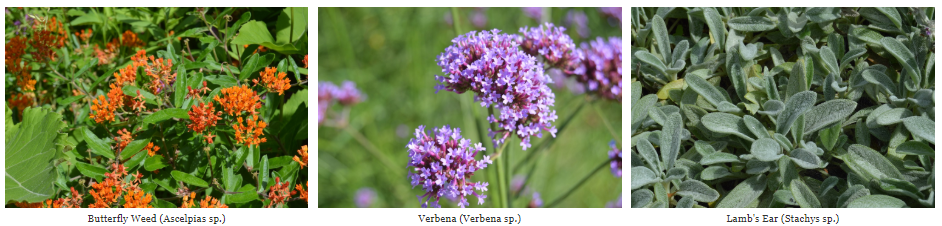
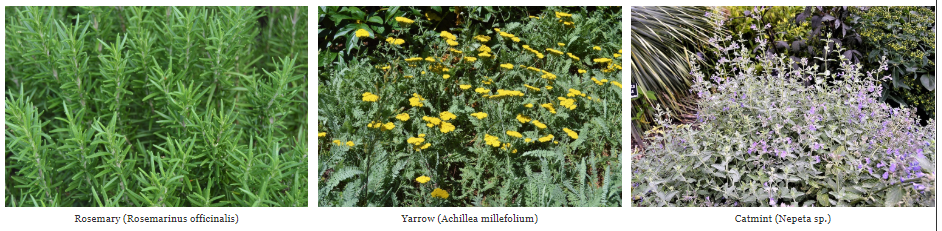
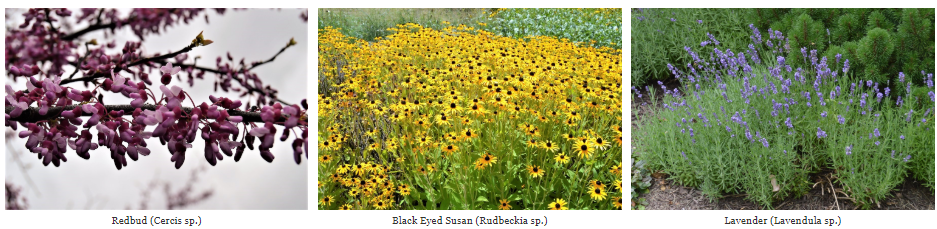
Our Favorite Pollinator Garden Plants
There are man choices when considering which plants to grow for pollinators. Here are a few of our favorites.
Allentuck Landscaping Company is Your Residential Landscape Company
Phone: 301-515-1900
At Allentuck Landscaping Company, our mission is to create beautiful environments for people to enjoy. We see landscaping as a way to improve people’s lives.
The Allentuck Landscaping Company team has been delighting homeowners in Maryland, Washington DC and Northern Virginia for over 28 years with our turnkey approach to landscape design, installation, construction and maintenance. Most companies try to serve many types of customers at the same time; homeowners, shopping centers, office buildings and the list goes on. At Allentuck Landscaping Company, we focus on one customer, you, the homeowner. We have a singular focus on bringing you the best landscape practices, the best customer service, and the best value for your home.
Services Provide – Master Landscape Plans, Complete Maintenance Programs, Plantings, Patios, Walkways, Retaining Walls, Water Features, Outdoor Lighting, Outdoor Kitchens, Trellises & Pergolas, Irrigation Systems, Drainage Solutions, Grading & Sodding. Fire Pits & Fire Places, Spring Clean Ups, Decks, Fences
Areas Served – Chevy Chase, Bethesda, Potomac, Rockville, North Potomac, Darnestown, Gaithersburg, Germantown, Travilah, Damascus, Boyds, Clarksburg, Ijamsville, Urbana, Frederick and Washington DC.
Allentuck Landscaping Co. is a proud member of the National Association of Landscape Professionals and MyLandscapeAcademy.
13711 Travilah Rd, Rockville, MD 20850
(301) 515-1900