
My Crape Myrtle Looks Dead. Should I Worry?
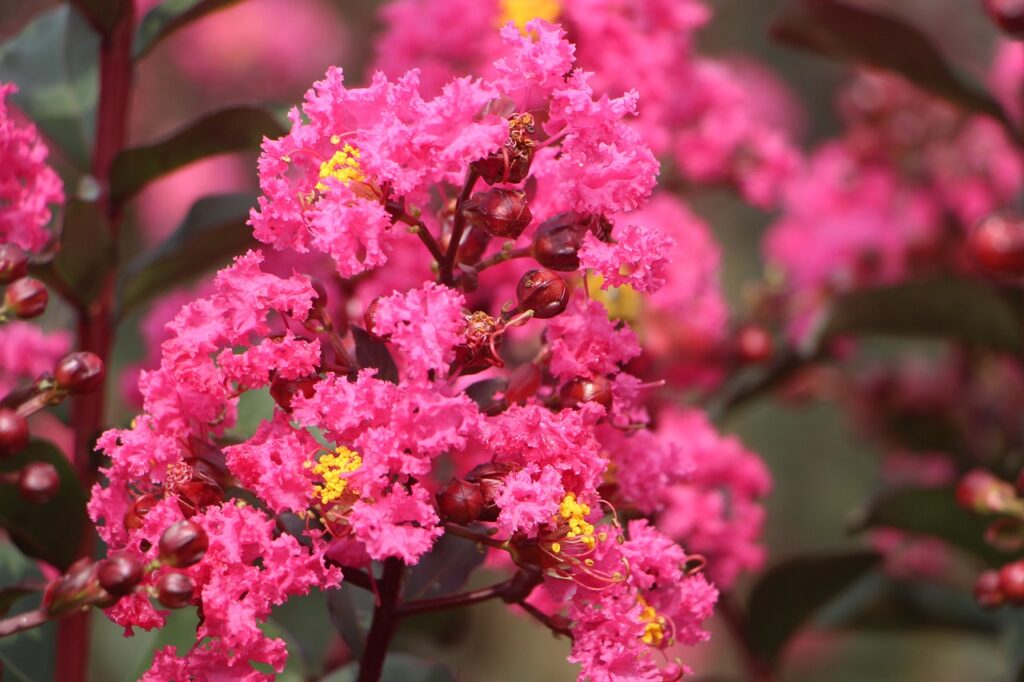
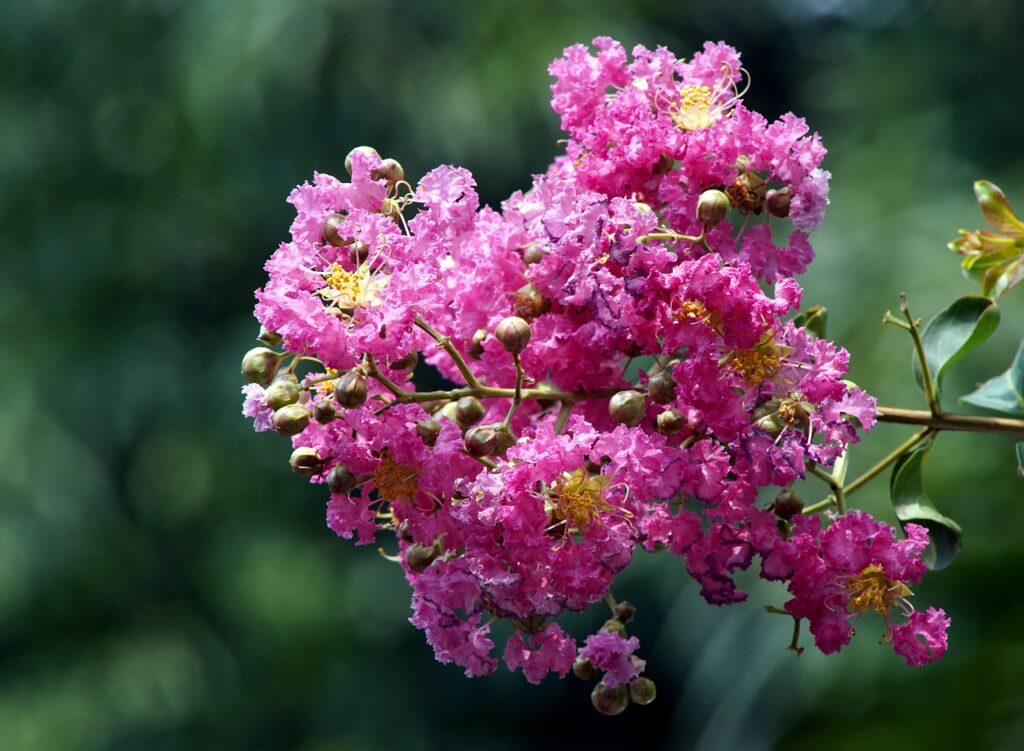
Crape myrtles (Lagerstroemia) are renowned for their stunning blooms, vibrant foliage, and resilience in various climates. These deciduous shrubs or small trees are beloved additions to many gardens, offering beauty from spring to fall. In our area, Crape Myrtles are treasured as one of the only types of trees that blooms in the late summer. Understandably, losing a Crape Myrtle from one’s garden is a big loss.
Crape Myrtles are also one of the last plants to leaf out in the spring so, undoubtedly, many people think they may have died. Some varieties may not even leaf out until June so before pronouncing an untimely death, heed the recommendations below.
 Signs of Life:
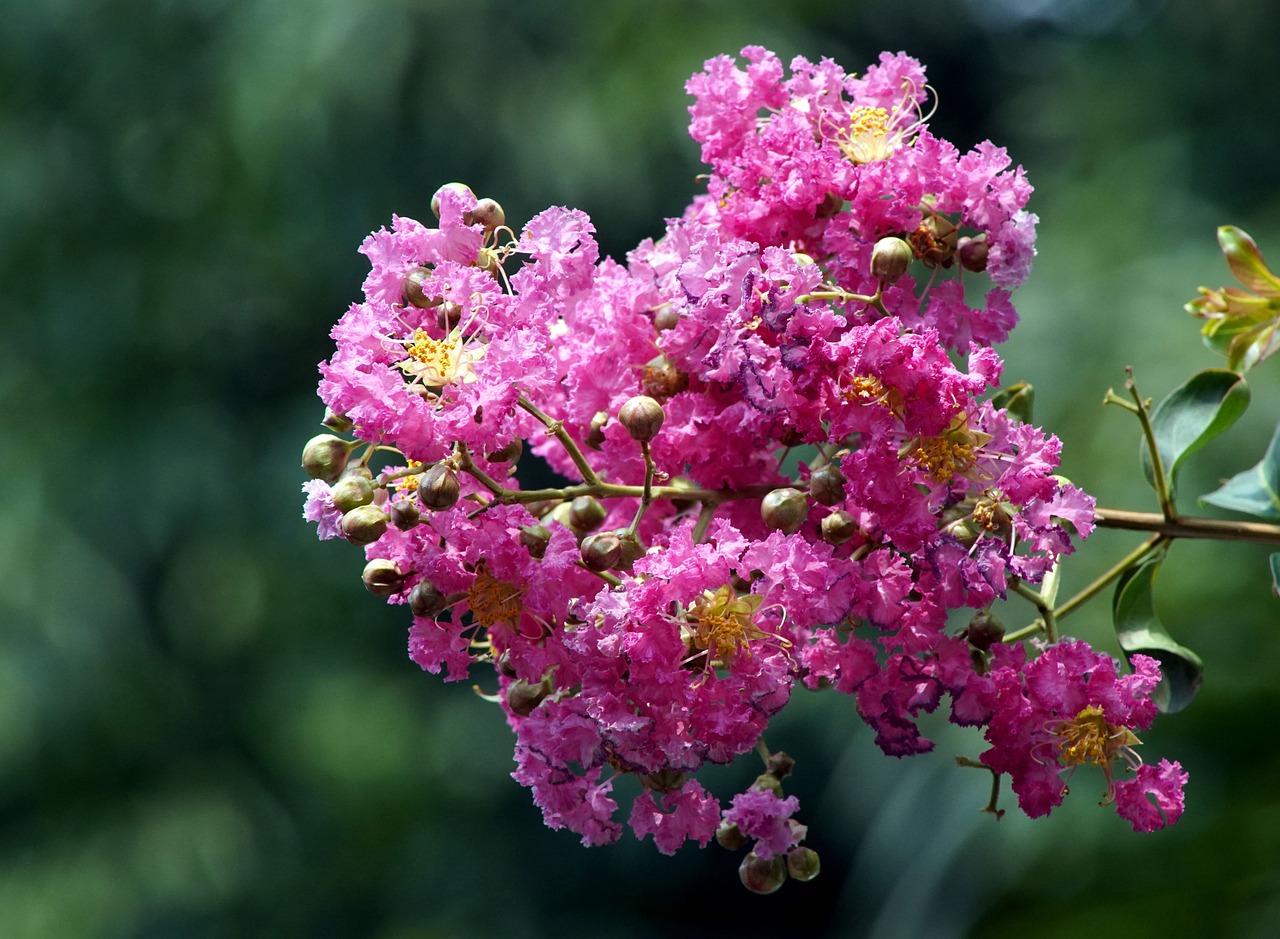
Before declaring your crape myrtle as deceased, it’s crucial to discern signs of life. Start with the scratch test—a gentle scrape of the bark with your fingernail or a small knife. If you see green beneath the surface, rejoice! Green indicates living tissue, suggesting that your crape myrtle is still kicking.
Next, inspect the branches for flexibility. While dead branches are rigid and snap easily, living ones bend without breaking. Additionally, keep an eye out for new growth—tiny buds or leaves emerging from the stems signify vitality.
If you think there is any chance the tree is alive, be patient. A living tree is worth the wait.
Signs of Death:
Conversely, certain clues may point towards the demise of your crape myrtle. Complete absence of foliage during the growing season is a glaring red flag. Additionally, if the branches are dry and brittle throughout, it’s a strong indicator of death.
Inspect the trunk for signs of decay, such as soft or hollow areas. A foul odor emanating from the tree may also indicate decomposition. Furthermore, if the bark displays no green beneath the surface during the scratch test, it’s likely that your crape myrtle has passed on.
What Should You Do If Your Crape Myrtle Has Died?
Dead plant should never be left in a garden. As the wood starts to rot, it becomes a prime target for insects and diseases to invade. These pests could transfer to other plants causing them to decline and possibly also die.
Remove the dead plant as soon as possible, including the root ball. Fill in the whole with quality screened topsoil.
What Should I Replace My Crape Myrtle With?
The last decision will be what to replace the Crape Myrtle with?
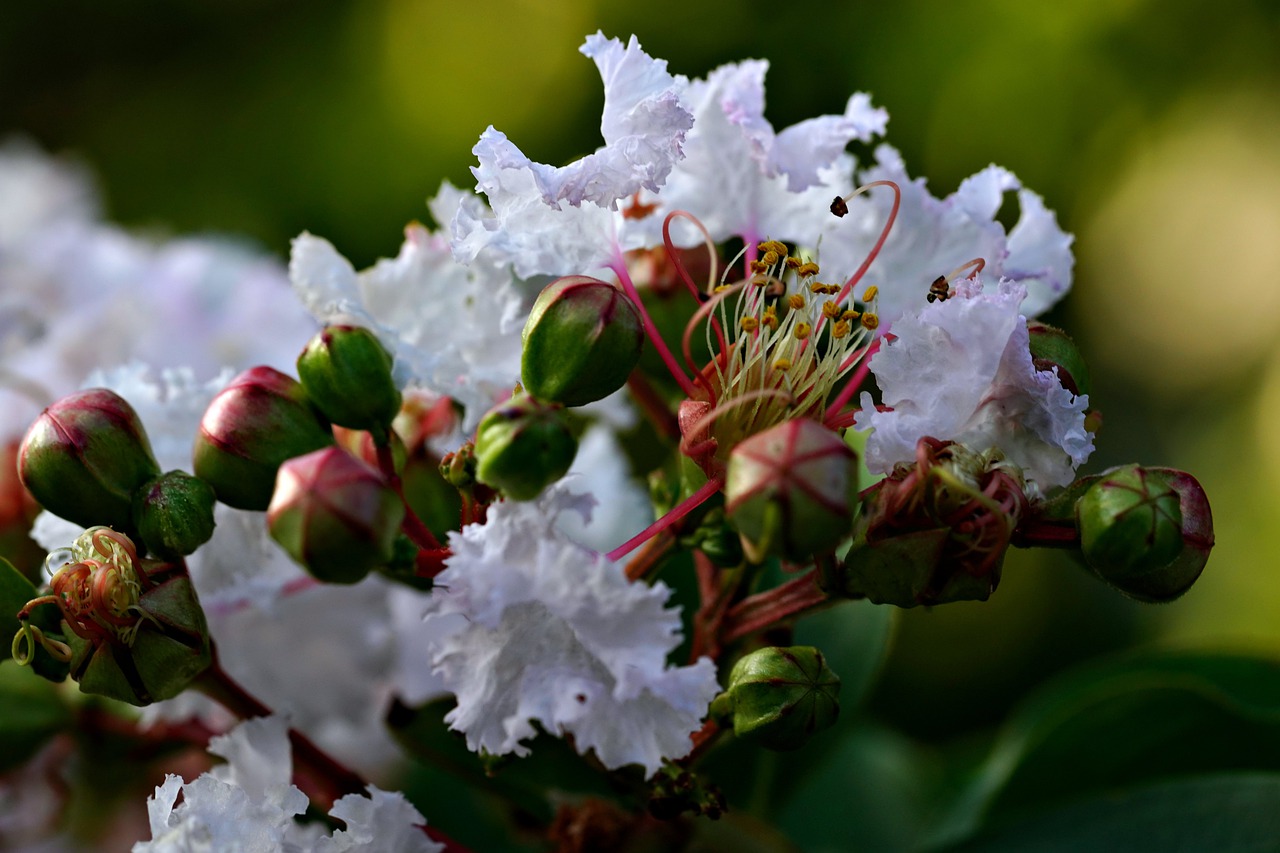
If you decide to stay with a Crape Myrtle, use a variety that was developed here in the mid-Atlantic region at the National Arboretum. These are varieties with Native American names. Varieties such as Tuscarora (pink), Natchez (white) and Muskogee (purple) are among the favorites. Even selecting the locally developed varieties does not guarantee that there will not be winter death in very cold seasons, but they are a safer bet.
If you decide that you want to try a different type of tree, the bottom line is there are not a lot of choices for late season blooms. You may need to use a tree that blooms earlier in the year. The good news is that there are plenty to choose from. Consider trees such as Redbud, Kwanzan Cherry and Saucer Magnolia to name a few.
Regardless of what specie you opt for, Crape Myrtles and other flowering trees make a great addition to any garden or lawn.
Related Posts:
7 Front Walkway Ideas To Make Your Home More Welcoming
Should You Aerate Your Lawn in the Spring?
Allentuck Landscaping Company is Your Residential Landscape Company
Phone: 301-515-1900
At Allentuck Landscaping Company, our mission is to create beautiful environments for people to enjoy. We see landscaping as a way to improve people’s lives.
The Allentuck Landscaping Company team has been delighting homeowners in Maryland, Washington DC and Northern Virginia for over 28 years with our turnkey approach to landscape design, installation, construction and maintenance. Most companies try to serve many types of customers at the same time; homeowners, shopping centers, office buildings and the list goes on. At Allentuck Landscaping Company, we focus on one customer, you, the homeowner. We have a singular focus on bringing you the best landscape practices, the best customer service, and the best value for your home.
Services Provide – Master Landscape Plans, Complete Maintenance Programs, Plantings, Patios, Walkways, Retaining Walls, Water Features, Outdoor Lighting, Outdoor Kitchens, Trellises & Pergolas, Irrigation Systems, Drainage Solutions, Grading & Sodding. Fire Pits & Fire Places, Spring Clean Ups, Decks, Fences
Areas Served – Chevy Chase, Bethesda, Potomac, Rockville, North Potomac, Darnestown, Gaithersburg, Germantown, Travilah, Damascus, Boyds, Clarksburg, Ijamsville, Urbana, Frederick and Washington DC.
Allentuck Landscaping Co. is a proud member of the National Association of Landscape Professionals and MyLandscapeAcademy.
Allentuck Landscaping Co.
13711 Travilah Rd, Rockville, MD 20850
(301) 515-1900