

It’s a common scene: the hose is on, the sprinkler is going, and the plants are getting their daily drink. But here’s the thing—too much of a good thing can become a problem. Can too much water kill landscape plants? Yes, it absolutely can. In fact, overwatering is one of the most common (and most misunderstood) causes of plant decline in home landscapes.
Homeowners often mean well, but those extra soakings might be slowly drowning your plants. Knowing when to stop can be just as important as knowing when to start.
Let’s dig into how overwatering harms your landscape, what to watch out for, and how to strike the right balance.
What Happens When Plants Get Too Much Water?
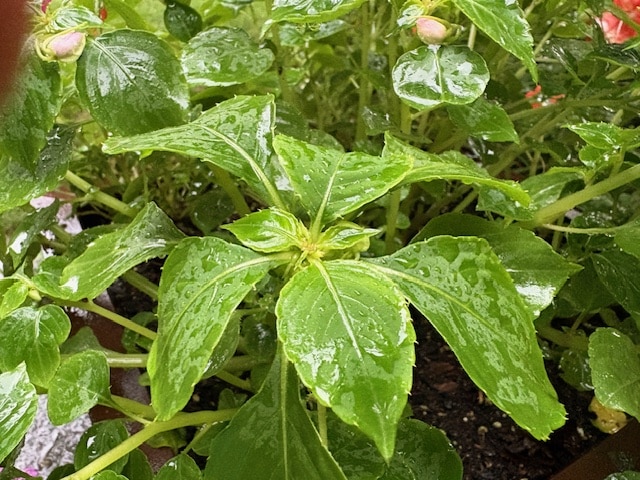
This lack of air can lead to root rot, a condition where the roots begin to decay. Once root rot sets in, your plant’s ability to absorb nutrients and water drops dramatically. At that point, even cutting back on watering might be too late.
So yes—can too much water kill landscape plants? Without question. It just does it slowly and quietly.
Telltale Signs of Overwatered Landscape Plants
Not sure if your plants are getting too much water? Here are the red flags to watch for:
-
Yellowing leaves – Often mistaken for underwatering
-
Wilting – Especially if the soil feels soggy, not dry
-
Leaf drop – Even healthy-looking leaves may fall
-
Mushy stems or roots – A classic sign of rot
-
Fungus or mold on the soil – Moisture that won’t go away invites disease
Don’t ignore these symptoms. Plants don’t recover from chronic overwatering easily.
How Much Water Do Landscape Plants Really Need?
There’s no one-size-fits-all answer, but here are some good guidelines:
-
Trees and shrubs: Deep watering once a week is usually enough, especially once they’re established.
-
Perennials and flowers: Water when the top 1-2 inches of soil are dry.
-
New plantings: These need more attention but still benefit from letting the soil dry slightly between waterings.
Also, the type of soil matters. Clay holds water longer. Sandy soil drains faster. Knowing what you’re working with helps you adjust.
Pro tip: Use a simple moisture meter (available at most garden centers) or just stick your finger into the soil. If it feels wet two inches down, wait before watering.
Best Practices to Avoid Overwatering
Good watering habits make a huge difference. Here’s how to keep your landscape healthy:
Water less often, but more deeply
Quick, daily watering just wets the surface and encourages shallow roots. Instead, water slowly and deeply to encourage strong root systems.
Time it right
Water early in the morning. This reduces evaporation and gives plants time to dry before nightfall, which helps prevent disease.
Mulch smartly
Mulch helps keep the soil moist, but too much can trap water. A 2–3 inch layer is usually perfect. Keep it away from plant stems.
Check your irrigation system
If you use automatic sprinklers or drip irrigation, make sure it’s not overdoing it. Adjust for rainfall and seasonal changes.
What To Do If You’ve Been Overwatering
Caught the problem early? Here’s how to turn things around:
-
Stop watering immediately and give the soil time to dry out.
-
Pull back mulch temporarily to let moisture escape.
-
Remove any yellow or mushy leaves to prevent disease from spreading.
-
Improve drainage by aerating the soil or mixing in compost.
-
Raise container plants onto pot feet or bricks to allow excess water to drain.
In serious cases—especially with valuable or mature plants—it might be time to call in a landscape professional for help.
Can Too Much Water Kill Landscape Plants? Yes—But You Can Prevent It
Watering your landscape is an act of care, but too much of it can quietly cause major damage. Can too much water kill landscape plants? Yes, and it happens more often than most people think. But with just a few smart habits—watering deeply, checking soil moisture, adjusting for the season—you can avoid the risk altogether.
Keep a close eye on your plants. Watch what they’re telling you. And if you’re ever unsure, don’t be afraid to ask a professional landscaper for advice. Your garden will thank you—with strong roots, lush leaves, and long-lasting beauty.
Related Posts:
Reasons Garden Plants Turn Yellow And What To Do About It
Watering Instructions for New Landscapes
Allentuck Landscaping Company is Your Residential Landscape Company
Phone: 301-515-1900
At Allentuck Landscaping Company, our mission is to create beautiful environments for people to enjoy. We see landscaping as a way to improve people’s lives.
The Allentuck Landscaping Company team has been delighting homeowners in Maryland, Washington DC and Northern Virginia for over 28 years with our turnkey approach to landscape design, installation, construction and maintenance. Most companies try to serve many types of customers at the same time; homeowners, shopping centers, office buildings and the list goes on. At Allentuck Landscaping Company, we focus on one customer, you, the homeowner. We have a singular focus on bringing you the best landscape practices, the best customer service, and the best value for your home.
Services Provide – Master Landscape Plans, Complete Maintenance Programs, Plantings, Patios, Walkways, Retaining Walls, Water Features, Outdoor Lighting, Outdoor Kitchens, Trellises & Pergolas, Irrigation Systems, Drainage Solutions, Grading & Sodding. Fire Pits & Fire Places, Spring Clean Ups, Decks, Fences
Areas Served – Chevy Chase, Bethesda, Potomac, Rockville, North Potomac, Darnestown, Gaithersburg, Germantown, Travilah, Damascus, Boyds, Clarksburg, Ijamsville, Urbana, Frederick and Washington DC.
Allentuck Landscaping Co. is a proud member of the National Association of Landscape Professionals and MyLandscapeAcademy.
13711 Travilah Rd, Rockville, MD 20850
(301) 515-1900