
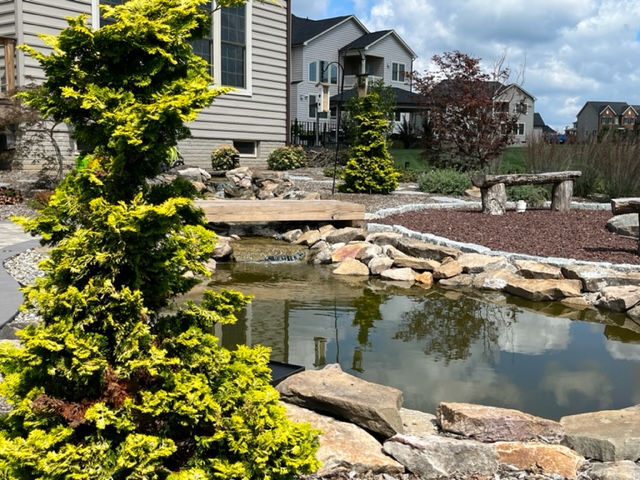
Winter can be a challenging time for pond owners. As temperatures drop and ice begins to form, keeping your pond healthy requires some thoughtful preparation. Understanding the best practices for winter pond care not only protects your pond’s ecosystem but also ensures your equipment lasts through the colder months. Whether you’re wondering about turning off the pump, managing freezing conditions, or supporting your fish, a little planning now will save you time and effort later.
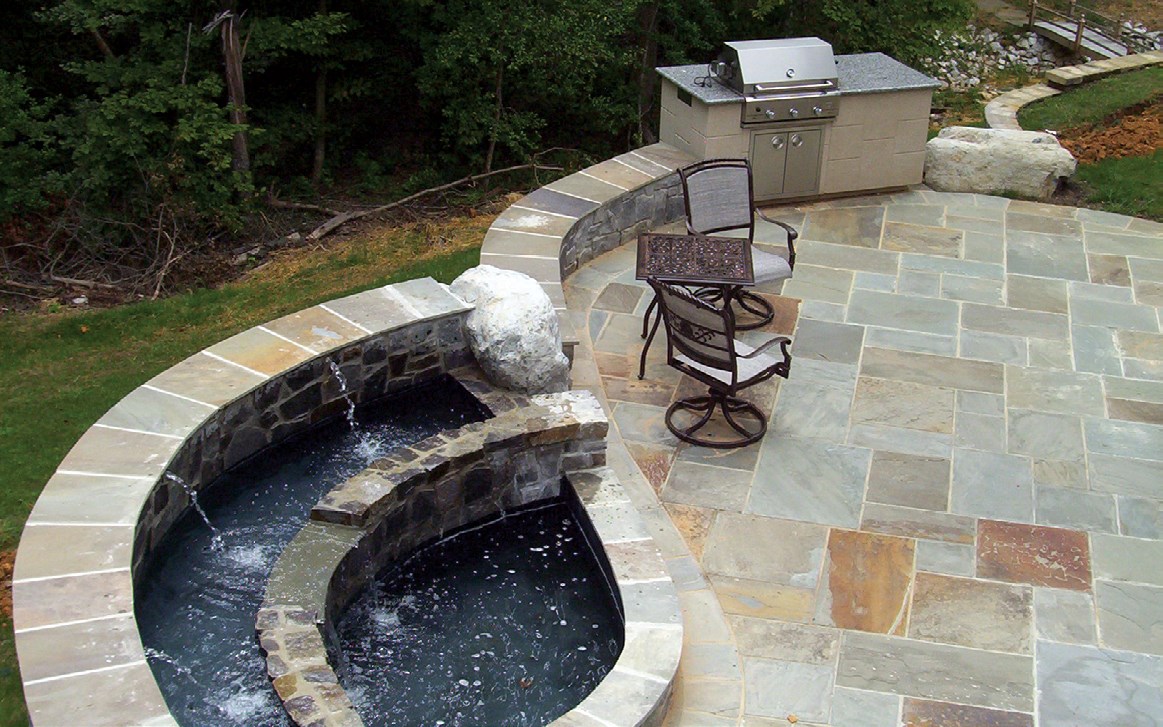 In this guide, we’ll explore the most effective ways to care for your pond in winter, so it remains a vibrant and thriving feature of your landscape all year round.
How Does Winter Impact Your Pond?
Cold weather slows everything down, including the activity in your pond. Fish enter a dormant state, plants die back, and the risk of ice covering the surface increases. Without proper care, these changes can disrupt the delicate balance of your pond’s ecosystem.
This is why winter pond care is essential, especially when it comes to deciding whether to keep your pump running.
Should You Turn Off Your Pond Pump in Winter?
One of the most common questions pond owners face is whether to turn off their pump during the colder months. The answer depends on several factors, including your local climate, the depth of your pond, and the type of pump you’re using.
If you live in an area where temperatures drop below freezing for extended periods, turning off the pump can prevent damage caused by ice formation. However, if your pond is deep enough to resist freezing, keeping the pump running might help maintain oxygen levels and support aquatic life.
Pro Tip: If you decide to turn off the pump, make sure to drain and store it properly to avoid freezing damage.
Best Practices for Winter Pond Care
1. Manage Ice Formation
A completely frozen pond can trap harmful gases and reduce oxygen levels, which is bad news for fish and plants. Consider using a pond de-icer or floating heater to keep a small area of the surface ice-free. This ensures that your pond maintains proper gas exchange throughout the season.
2. Clean and Prepare Your Pond Before Winter Hits
Remove debris like fallen leaves and dead plant material to prevent decay during winter. This helps reduce harmful bacteria and keeps your water quality high.
3. Monitor Your Fish’s Needs
Fish become less active in winter and require minimal feeding. Overfeeding can pollute the water, so stick to a light feeding schedule or stop altogether when water temperatures dip below 50°F.
4. Winterize Your Pond Equipment
If you turn off your pump, clean it thoroughly and store it indoors. Similarly, disconnect any UV clarifiers or external filters and store them in a frost-free location.
5. Use Aerators for Oxygenation
If you decide to shut off your pump, installing an aerator can help maintain oxygen levels. This is especially useful if you have fish, as they need oxygen even in winter.
Alternatives to Running Your Pump in Winter
If you’re not running your pump, there are still ways to ensure your pond stays healthy. Aerators and de-icers are excellent options for maintaining circulation and preventing ice from forming completely. These tools are more energy-efficient and reduce the risk of equipment freezing.
Winter pond care doesn’t have to be complicated, but it does require attention to detail. By following these best practices for winter pond care, you can protect your pond, its inhabitants, and your equipment from harsh weather. Whether you decide to keep the pump running or switch to alternatives like aerators, a little preparation goes a long way.
With the right steps, your pond will emerge from winter ready to shine again in spring!
Allentuck Landscaping Company is Your Residential Landscape Company
Phone: 301-515-1900
At Allentuck Landscaping Company, our mission is to create beautiful environments for people to enjoy. We see landscaping as a way to improve people’s lives.
The Allentuck Landscaping Company team has been delighting homeowners in Maryland, Washington DC and Northern Virginia for over 28 years with our turnkey approach to landscape design, installation, construction and maintenance. Most companies try to serve many types of customers at the same time; homeowners, shopping centers, office buildings and the list goes on. At Allentuck Landscaping Company, we focus on one customer, you, the homeowner. We have a singular focus on bringing you the best landscape practices, the best customer service, and the best value for your home.
Services Provide – Master Landscape Plans, Complete Maintenance Programs, Plantings, Patios, Walkways, Retaining Walls, Water Features, Outdoor Lighting, Outdoor Kitchens, Trellises & Pergolas, Irrigation Systems, Drainage Solutions, Grading & Sodding. Fire Pits & Fire Places, Spring Clean Ups, Decks, Fences
Areas Served – Chevy Chase, Bethesda, Potomac, Rockville, North Potomac, Darnestown, Gaithersburg, Germantown, Travilah, Damascus, Boyds, Clarksburg, Ijamsville, Urbana, Frederick and Washington DC.
Allentuck Landscaping Co. is a proud member of the National Association of Landscape Professionals and MyLandscapeAcademy.