

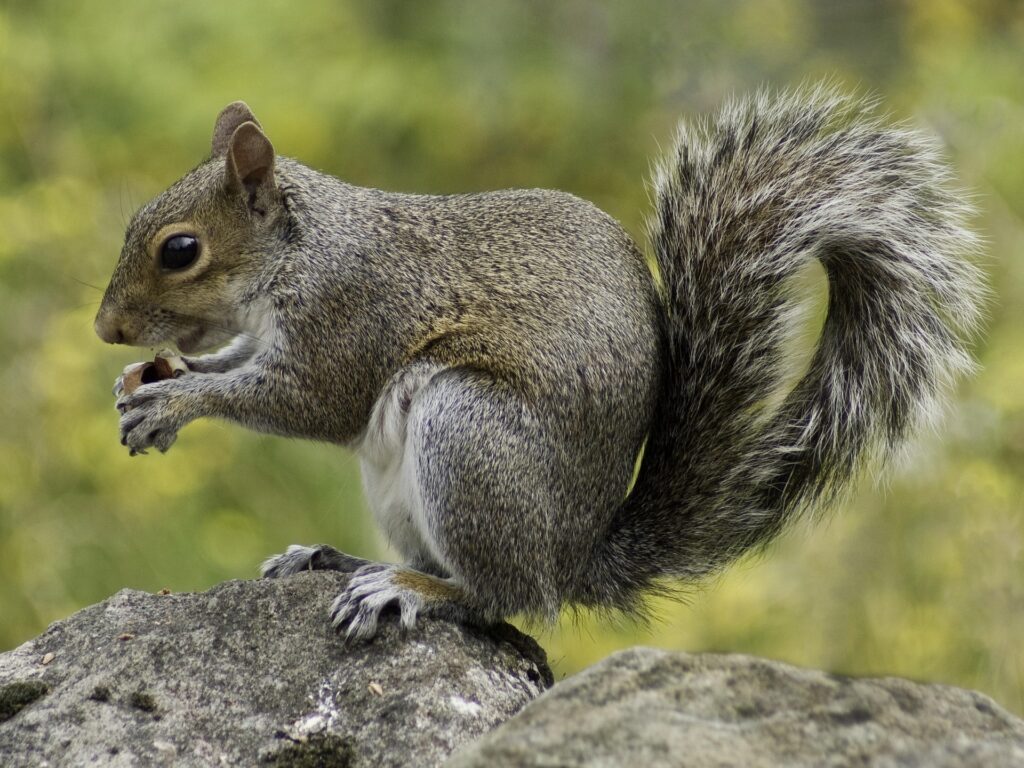
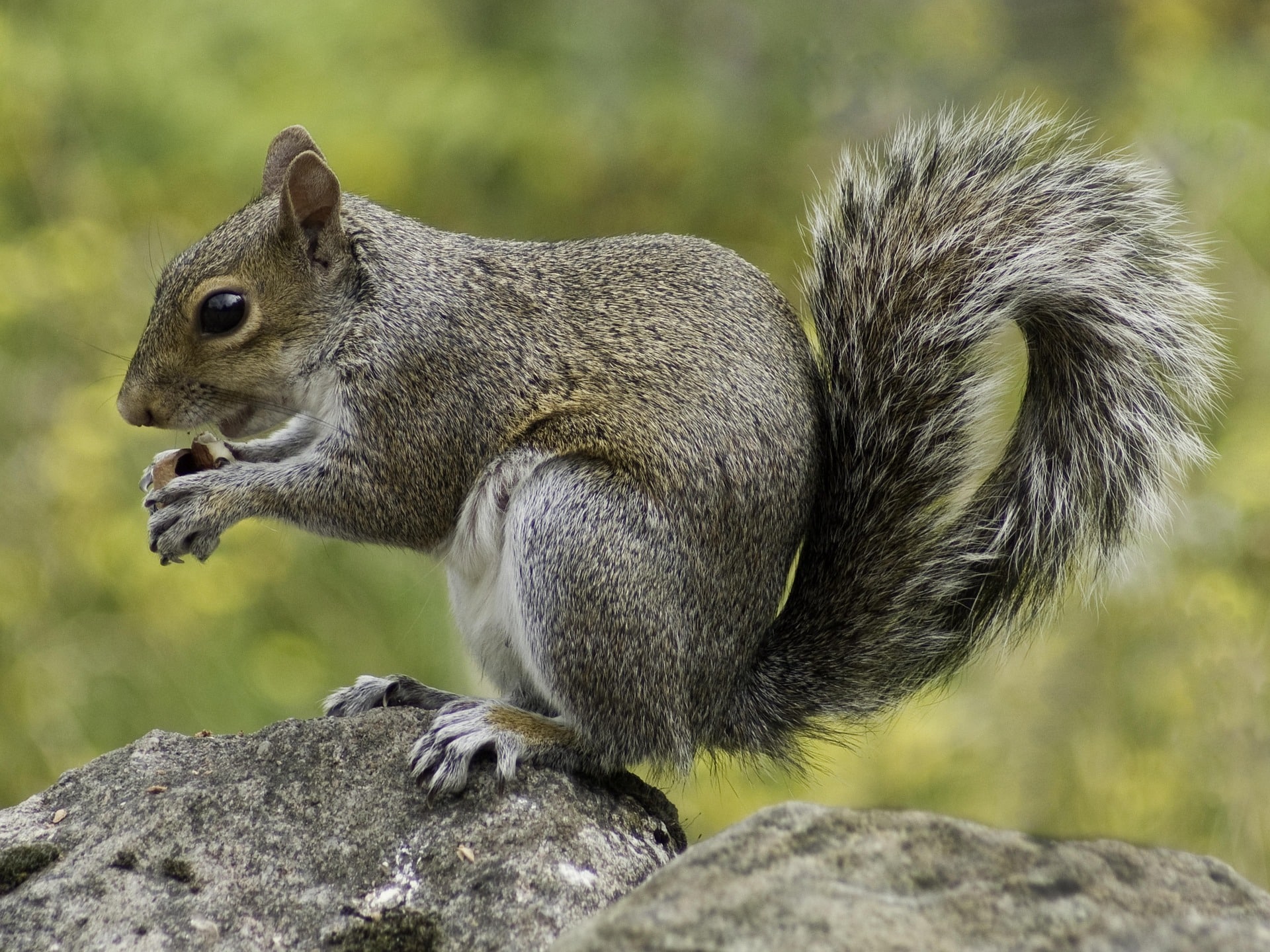
There’s nothing more exciting than planting tulip bulbs in the fall and imagining a colorful display of flowers greeting you in the spring. Unfortunately, squirrels often have other plans! These curious little critters love to dig in freshly worked soil, and tulip bulbs can become an easy snack before winter even arrives. If you want to Keep Squirrels From Eating Your Tulip Bulbs, a few simple gardening techniques can help protect your investment and give your spring garden a better chance of success.
The good news? You don’t need complicated equipment or expensive products to protect your bulbs. With a little planning and a few practical tricks, you can make your tulip beds less appealing to squirrels and enjoy more flowers when spring rolls around.
 1. Add Daffodil Bulbs to the Area
One of the easiest ways to help protect your tulip bulbs is to plant daffodils nearby. Daffodils are a great companion for tulips because they provide a beautiful mix of spring colors while helping discourage squirrels from digging up your garden.
Unlike tulips, daffodil bulbs contain compounds that make them unappealing and potentially toxic to squirrels and other animals. While daffodils aren’t a foolproof deterrent, planting them alongside your tulips can help make the area less attractive to hungry visitors.
How to plant them together:
- Mix the bulbs throughout the bed. Rather than planting all your daffodils in one spot, scatter them among your tulip bulbs.
- Create a protective border. Plant daffodils around the edges of your tulip bed to help discourage squirrels from entering the area.
- Choose complementary colors. Combine yellow or white daffodils with pink, red, purple, or orange tulips for a vibrant spring display.
This approach gives you the added benefit of a longer-lasting, more diverse flower garden. If you’re looking for a natural way to Keep Squirrels From Eating Your Tulip Bulbs, adding daffodils is an attractive option worth trying.
2. Tamp Down the Soil After Planting
Freshly turned soil is like an invitation for squirrels to start digging. They may be searching for your tulip bulbs, or they may simply be looking for a place to bury their own food. Either way, loose soil makes it easier for them to investigate your newly planted garden.
One simple solution is to tamp down the soil after planting your bulbs.
Once your tulips are planted at the recommended depth, gently firm the soil over the planting area with your hands or the back of a rake. The goal is to remove large air pockets and smooth the surface without compacting the soil too heavily.
Here are a few additional tips:
- Water the area lightly. A gentle watering helps settle the soil around the bulbs and reduces the appearance of freshly disturbed earth.
- Add a layer of mulch. Apply about 2–3 inches of shredded leaves or another suitable organic mulch after planting. This helps cover the disturbed soil and provides additional garden benefits.
- Avoid overcompacting the ground. Tulip bulbs need well-drained soil, so don’t press the soil down too firmly or create a dense, waterlogged surface.
These small steps can make your planting area less noticeable to squirrels. Although tamping down the soil alone won’t guarantee protection, it works well as part of a broader strategy to Keep Squirrels From Eating Your Tulip Bulbs.
3. Use a Barrier Like Chicken Wire
If squirrels have repeatedly raided your tulip beds, a physical barrier may be your best line of defense. Chicken wire or similar garden mesh creates an obstacle that prevents squirrels from easily digging into the soil to reach the bulbs. This is an effective strategy to Keep Squirrels From Eating Your Tulip Bulbs and protect your garden for a beautiful spring display.
The key is to install the barrier correctly so it protects your bulbs without interfering with their growth.
How to use chicken wire to protect tulips:
- Plant your bulbs first. Follow the recommended planting depth and spacing for your tulip variety.
- Lay the wire over the bed. Use galvanized chicken wire or sturdy garden mesh with openings small enough to discourage digging. Secure the edges with landscape staples or garden pins.
- Cover the barrier. Add a light layer of soil or mulch over the wire to help it blend into the garden.
- Let your tulips grow. The mesh openings should allow the shoots to emerge in spring. If you prefer, you can remove the barrier once the bulbs have rooted and the risk of digging has passed.
Another option is to place chicken wire beneath the soil surface, above the planted bulbs, where it can discourage digging while allowing roots and shoots to grow through the openings. Be sure to use a mesh size and placement that won’t obstruct emerging shoots.
For larger planting areas, a secured mesh barrier can be especially useful. It’s also a good choice if squirrels have already shown that they aren’t going to leave your bulbs alone.
When natural deterrents aren’t enough, adding a physical barrier can be one of the most dependable ways to Keep Squirrels From Eating Your Tulip Bulbs.
Combine These Tips for the Best Results
When it comes to protecting tulips, one method may not be enough. Squirrels are persistent, and their behavior can vary depending on food availability and the conditions in your yard. Combining several approaches gives your bulbs a better chance of making it through the fall and winter undisturbed.
Start by mixing daffodils into your planting beds, firming the soil after planting, and covering vulnerable areas with chicken wire or garden mesh. You can also clean up loose bulb wrappers and other planting debris, which may attract unwanted attention to a newly planted bed.
Most importantly, don’t wait until spring to discover that your bulbs have disappeared. A little prevention in the fall can save you time, money, and disappointment later.
If you’re ready to enjoy a colorful display of tulips next spring, take a few extra minutes to protect your planting beds this season. By planting daffodils nearby, tamping down the soil, and using a barrier like chicken wire, you can improve your chances of success and Keep Squirrels From Eating Your Tulip Bulbs. Your future spring garden will thank you!
Allentuck Landscaping Company is Your Residential Landscape Company
Phone: 301-515-1900
At Allentuck Landscaping Company, our mission is to create beautiful environments for people to enjoy. We see landscaping as a way to improve people’s lives.
The Allentuck Landscaping Company team has been delighting homeowners in Maryland, Washington DC and Northern Virginia for over 28 years with our turnkey approach to landscape design, installation, construction and maintenance. Most companies try to serve many types of customers at the same time; homeowners, shopping centers, office buildings and the list goes on. At Allentuck Landscaping Company, we focus on one customer, you, the homeowner. We have a singular focus on bringing you the best landscape practices, the best customer service, and the best value for your home.
Services Provide – Master Landscape Plans, Complete Maintenance Programs, Plantings, Patios, Walkways, Retaining Walls, Water Features, Outdoor Lighting, Outdoor Kitchens, Trellises & Pergolas, Irrigation Systems, Drainage Solutions, Grading & Sodding. Fire Pits & Fire Places, Spring Clean Ups, Decks, Fences
Areas Served – Chevy Chase, Bethesda, Potomac, Rockville, North Potomac, Darnestown, Gaithersburg, Germantown, Travilah, Damascus, Boyds, Clarksburg, Ijamsville, Urbana, Frederick and Washington DC.
Allentuck Landscaping Co. is a proud member of the National Association of Landscape Professionals and MyLandscapeAcademy.
13711 Travilah Rd, Rockville, MD 20850
(301) 515-1900