
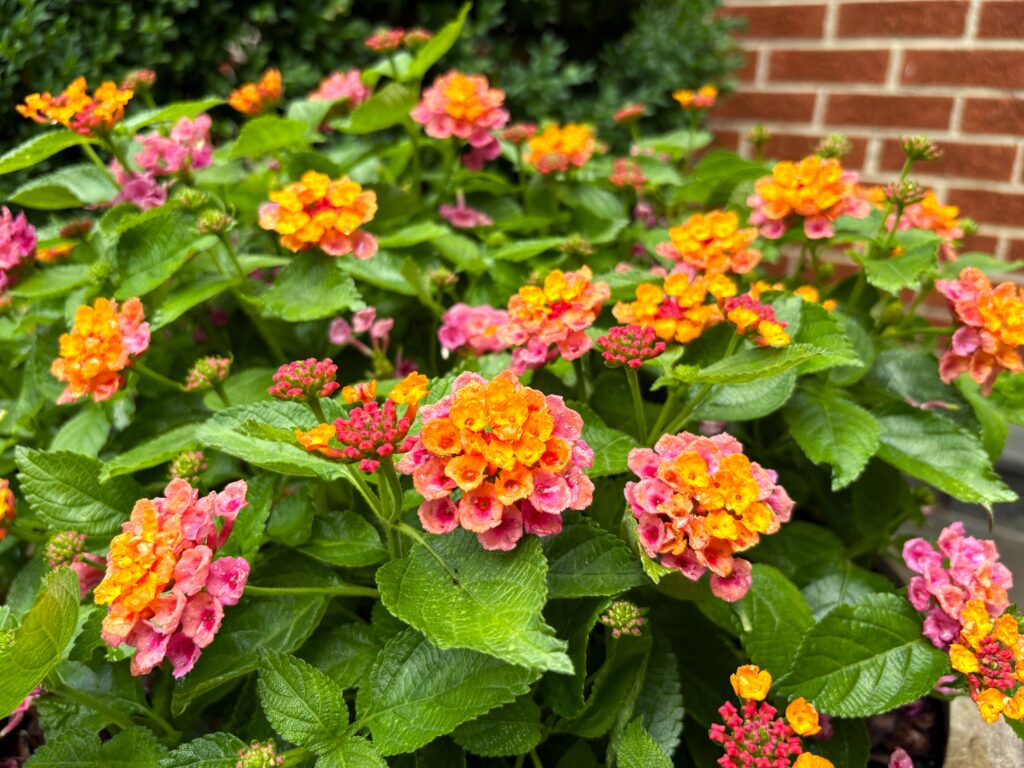
July is when your landscape earns its paycheck and these July Garden Tips are designed to help it do just that.
The excitement of spring has faded, the summer heat has settled in, and your plants are working overtime just to stay healthy. If you’ve done the right things up to this point, your landscape should still be looking great. But if you ignore it now, July has a way of exposing every weak spot.
The good news? A few simple tasks can keep your landscape looking beautiful through the hottest part of the year.
Here are our Top July Garden Tips to help your landscape survive—and thrive.
1. Water Deeply (And Let the Soil Do the Work)
July is usually the hottest month of the year in Maryland. That means watering becomes more important than ever.
But don’t fall into the trap of watering every day.
Deep watering once or twice a week encourages roots to grow deeper into the soil, making your plants more drought tolerant. Frequent, shallow watering creates weak root systems that struggle when temperatures climb.
Whenever possible:
- Water early in the morning.
- Water slowly so moisture reaches 6-8 inches into the soil.
- Avoid watering during the heat of the day or late in the evening.
If you have an irrigation system, this is a great time to check that every zone is working properly and not wasting water. Proper watering is one of the best ways to help your landscape withstand summer heat.
2. Deadhead Flowers for More Color
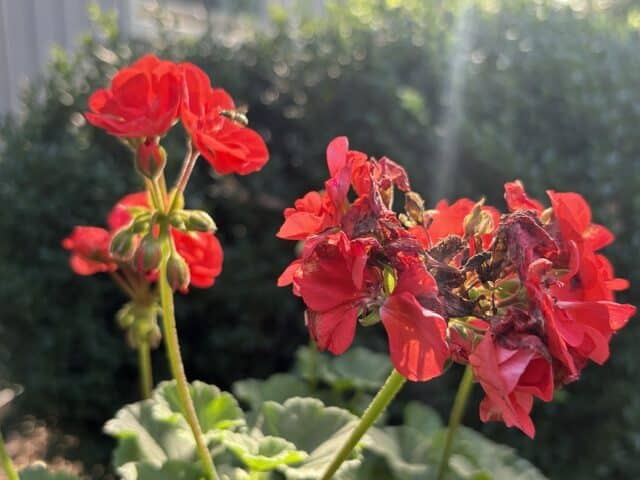 Your annuals and many perennials still have plenty of life left—but only if you help them out.
Removing faded blooms (called deadheading) encourages plants like coneflowers, black-eyed Susans, salvias, roses, and annual flowers to produce more blooms instead of putting energy into making seeds.
It only takes a few minutes each week, but the payoff is weeks of additional color.
Think of it as giving your garden a mid-season refresh.
3. Watch for Heat Stress Before It’s Too Late
Not every wilted plant needs water.
Many plants naturally droop during the hottest part of the afternoon to conserve moisture. If they recover by evening or the next morning, they’re doing exactly what nature intended.
However, if leaves stay wilted overnight, begin turning brown around the edges, or drop prematurely, it’s time to investigate.
Pay special attention to:
- Newly planted trees and shrubs
- Hydrangeas
- Container gardens
- Hanging baskets
These dry out much faster than established landscape plants.
4. Stay Ahead of Summer Pests and Diseases
Hot, humid weather creates perfect conditions for insects and plant diseases.
Spend a few minutes each week looking over your landscape.
Watch for:
- Japanese beetles
- Spider mites
- Aphids
- Powdery mildew
- Leaf spot diseases
The earlier you catch a problem, the easier—and less expensive—it is to solve. Look underneath leaves, inspect new growth, and remove damaged foliage before problems spread.
5. Raise Your Mower Blade
If your lawn looks stressed, don’t cut it shorter.
In fact, do the opposite.
Keeping your grass around 3½–4 inches tall shades the soil, reduces evaporation, and encourages deeper roots. Longer grass also helps crowd out weeds during the toughest part of the summer.
And remember:
Never remove more than one-third of the grass blade during a single mowing.
Your lawn will thank you in August.
Wrap-Up: Small Effort, Big Results
Put These July Garden Tips to Work
July isn’t the month for major landscape projects.
It’s the month for protecting everything you’ve already invested in.
Following these July Garden Tips—paying a little extra attention to watering, deadheading, mowing, and monitoring for pests—will keep your landscape healthy through the hottest weeks of summer and set it up for a beautiful fall.
Need help keeping your landscape looking its best this summer? From weekly maintenance and garden care to irrigation inspections and seasonal enhancements, we’re here to make it easy.
Allentuck Landscaping Company is Your Residential Landscape Company
Phone: 301-515-1900
At Allentuck Landscaping Company, our mission is to create beautiful environments for people to enjoy. We see landscaping as a way to improve people’s lives.
The Allentuck Landscaping Company team has been delighting homeowners in Maryland, Washington DC and Northern Virginia for over 28 years with our turnkey approach to landscape design, installation, construction and maintenance. Most companies try to serve many types of customers at the same time; homeowners, shopping centers, office buildings and the list goes on. At Allentuck Landscaping Company, we focus on one customer, you, the homeowner. We have a singular focus on bringing you the best landscape practices, the best customer service, and the best value for your home.
Services Provide – Master Landscape Plans, Complete Maintenance Programs, Plantings, Patios, Walkways, Retaining Walls, Water Features, Outdoor Lighting, Outdoor Kitchens, Trellises & Pergolas, Irrigation Systems, Drainage Solutions, Grading & Sodding. Fire Pits & Fire Places, Spring Clean Ups, Decks, Fences
Areas Served – Chevy Chase, Bethesda, Potomac, Rockville, North Potomac, Darnestown, Gaithersburg, Germantown, Travilah, Damascus, Boyds, Clarksburg, Ijamsville, Urbana, Frederick and Washington DC.
Allentuck Landscaping Co. is a proud member of the National Association of Landscape Professionals and MyLandscapeAcademy.
13711 Travilah Rd, Rockville, MD 20850
(301) 515-1900