
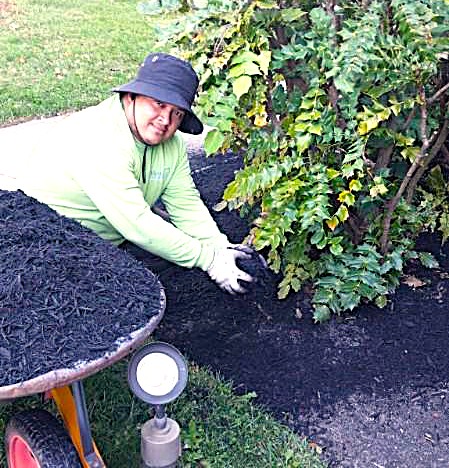
Mulch is like a protective blanket for your garden. It locks in moisture, keeps weeds under control, and gives your landscape a polished look. But the benefits of mulching go far beyond appearances. It improves soil health, protects plants from extreme temperatures, and even helps prevent erosion. Whether you have a flower bed, vegetable garden, or a tree-lined yard, mulching is one of the easiest and most effective ways to boost your landscape’s health.
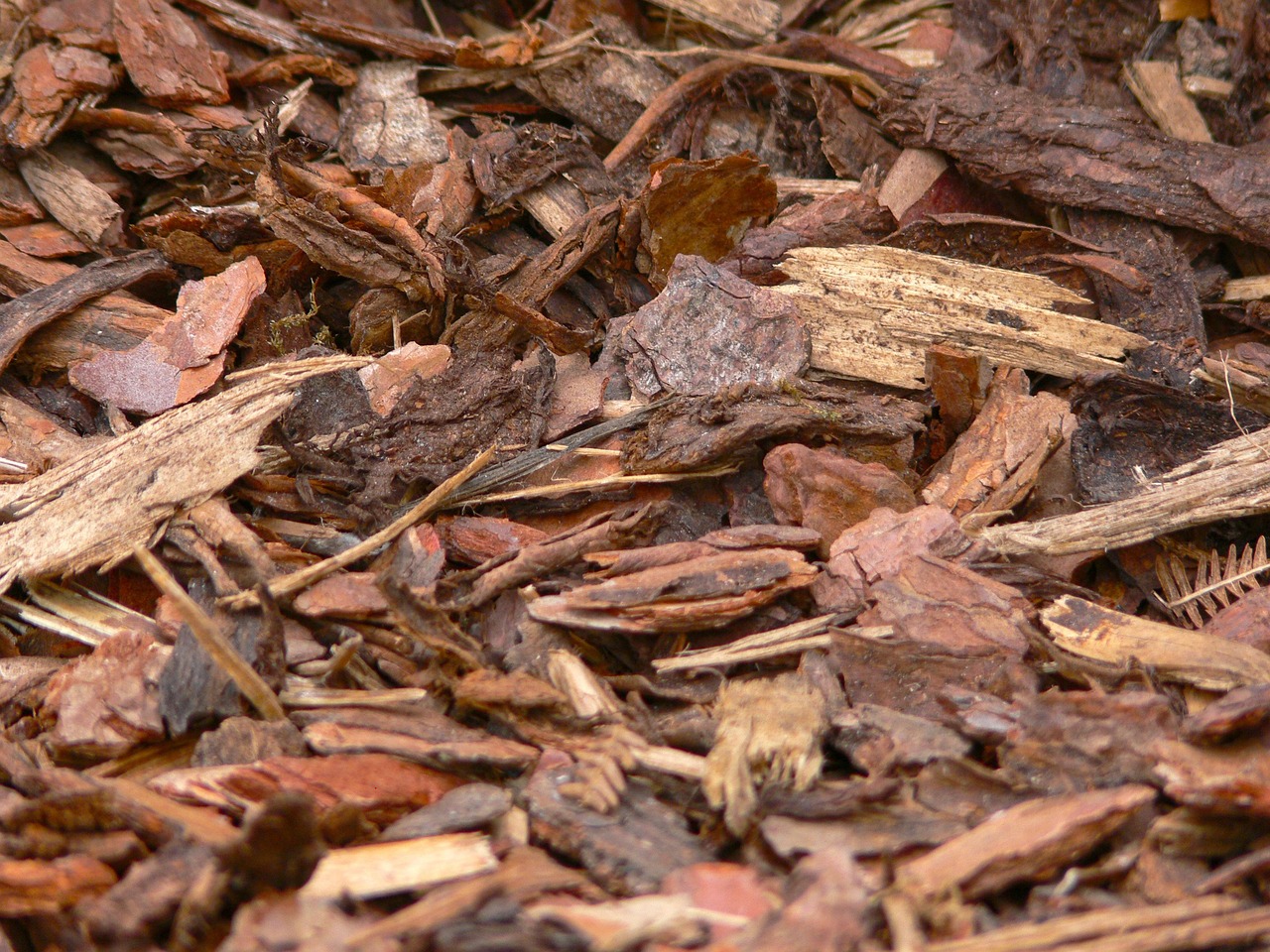
Not all mulches are created equal, though. Organic mulches, like shredded bark, leaves, and compost, break down over time and enrich the soil. Inorganic options, like gravel or rubber mulch, last longer but don’t provide nutrients. Choosing the right type depends on your needs, but one thing is certain—mulching is a must for a thriving garden.
 Retains Soil Moisture
Watering your plants constantly is a chore. Mulch helps cut down on how often you need to do it. By covering the soil, mulch slows down evaporation and keeps the ground moist for longer. This is especially useful during hot summer months when water evaporates quickly.
A 2- to 3-inch layer of mulch around your plants does wonders for moisture retention. Just be sure to leave a little space around plant stems to prevent rot.
Suppresses Weeds Naturally
Weeds love bare soil. The more sunlight they get, the faster they grow. The benefits of mulching include blocking that sunlight and making it harder for weeds to sprout.
A thick layer of mulch—about 3 inches—creates a natural barrier. For best results, use organic mulch like bark or straw in garden beds. If you’re dealing with a persistent weed problem, consider adding a layer of newspaper or cardboard under the mulch for extra protection.
Regulates Soil Temperature
Your plants’ roots are sensitive to temperature swings. A sudden heatwave or early frost can stress them out. Mulch acts as insulation, keeping the soil warmer in the winter and cooler in the summer.
This is especially important for delicate plants or newly planted trees and shrubs. Apply mulch in the fall to help roots stay protected through winter.
Improves Soil Health Over Time
If you’re using organic mulch, you’re doing your soil a big favor. One of the benefits of mulching is that as it breaks down, it adds nutrients back into the soil, improving its structure and fertility.
Compost, shredded leaves, and wood chips are excellent choices. They encourage earthworms and beneficial microbes, which help aerate the soil and break down organic matter. Over time, your garden soil becomes richer and more productive.
Prevents Soil Erosion – A Key Benefit of Mulching
Heavy rain and strong winds can wash away topsoil, especially on slopes or in garden beds with loose soil. Mulch helps hold everything in place.
It absorbs the impact of raindrops, slows down water runoff, and keeps the soil where it belongs. If you have a problem area prone to erosion, mulch is an easy and effective solution.
Enhances Your Garden’s Appearance
Beyond its practical benefits, mulch makes your garden look clean and well-maintained. It defines pathways, makes flower beds pop, and creates a uniform, polished look.
There are plenty of options to match your aesthetic. Dark brown or black mulch gives a rich, natural look, while lighter mulches like pine straw or cedar add warmth. Choose a color and texture that complements your landscaping.
Protects Plants from Diseases
Soil can harbor diseases that splash onto plant leaves when it rains. Mulch creates a barrier, reducing the spread of soil-borne diseases.
It also helps prevent root rot by improving drainage. If you’re using organic mulch, check it regularly and refresh it when needed to avoid mold buildup.
FAQs About the Benefits of Mulching
How often should I replace mulch?
It depends on the type. Organic mulches like wood chips and straw break down over time and need to be replenished once or twice a year. Inorganic mulches, like rubber or rock, last much longer and may not need replacing for years.
Can I use grass clippings as mulch?
Yes, but in moderation. A thin layer of dried grass clippings can help retain moisture and add nutrients to the soil. Avoid piling them too thickly, as they can become compacted and prevent water from reaching the soil.
Is there such a thing as too much mulch?
Absolutely. A mulch layer that’s too thick (more than 4 inches) can suffocate plant roots, trap too much moisture, and create problems like mold or root rot. Stick to 2-3 inches for best results.
The benefits of mulching go beyond just making your yard look nice. It conserves water, fights weeds, improves soil health, and protects your plants year-round. Whether you’re looking for a low-maintenance way to keep your landscape thriving or want to enhance its appearance, mulching is a simple step with big rewards.
Allentuck Landscaping Company is Your Residential Landscape Company
Phone: 301-515-1900
At Allentuck Landscaping Company, our mission is to create beautiful environments for people to enjoy. We see landscaping as a way to improve people’s lives.
The Allentuck Landscaping Company team has been delighting homeowners in Maryland, Washington DC and Northern Virginia for over 28 years with our turnkey approach to landscape design, installation, construction and maintenance. Most companies try to serve many types of customers at the same time; homeowners, shopping centers, office buildings and the list goes on. At Allentuck Landscaping Company, we focus on one customer, you, the homeowner. We have a singular focus on bringing you the best landscape practices, the best customer service, and the best value for your home.
Services Provide – Master Landscape Plans, Complete Maintenance Programs, Plantings, Patios, Walkways, Retaining Walls, Water Features, Outdoor Lighting, Outdoor Kitchens, Trellises & Pergolas, Irrigation Systems, Drainage Solutions, Grading & Sodding. Fire Pits & Fire Places, Spring Clean Ups, Decks, Fences
Areas Served – Chevy Chase, Bethesda, Potomac, Rockville, North Potomac, Darnestown, Gaithersburg, Germantown, Travilah, Damascus, Boyds, Clarksburg, Ijamsville, Urbana, Frederick and Washington DC.
Allentuck Landscaping Co. is a proud member of the National Association of Landscape Professionals and MyLandscapeAcademy.
Allentuck Landscaping Co.
13711 Travilah Road
Rockville, Maryland 20850
301-515-1900