
Effective Japanese Stilt Grass Control: Proven Strategies to Protect Your Garden
Japanese Stilt Grass is a homeowner’s worst nightmare when it comes to garden invaders. This fast-growing, invasive weed can quickly overrun your carefully cultivated landscape, choking out your prized plants and taking over your lawn. It’s sneaky, spreading in both sunny and shady spots, and if left unchecked, it will dominate.
The good news? You can control it with a few strategic steps. Whether you’re dealing with a small patch or an entire yard of stilt grass, I’ll guide you through the best ways to protect your garden and keep this invasive species at bay.
How to Identify Japanese Stilt Grass
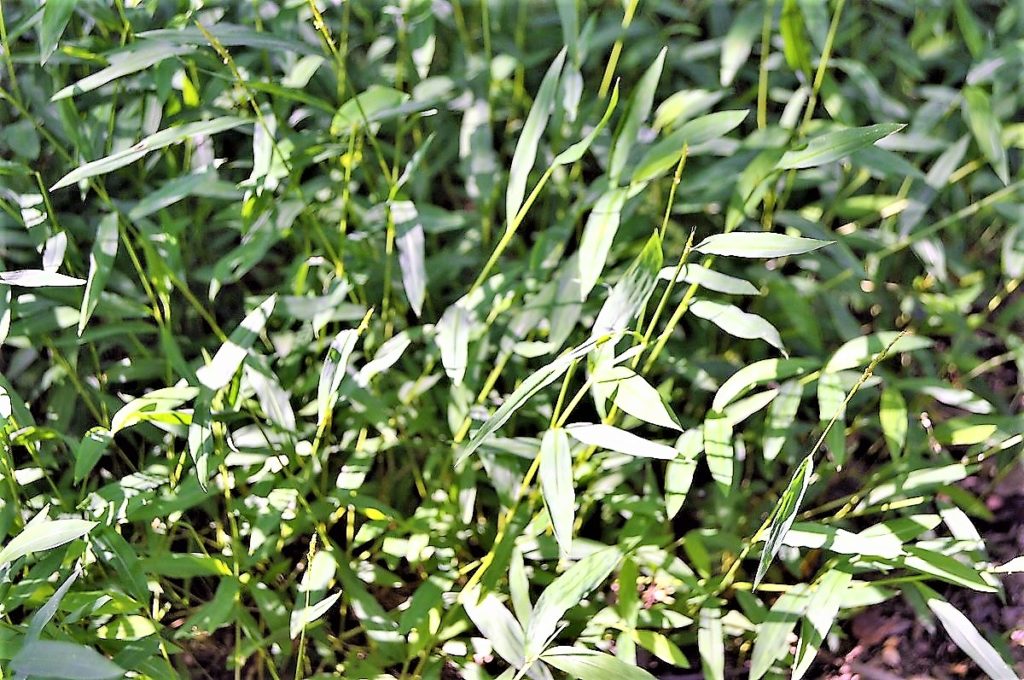
 Before you tackle this weed, you need to know what you’re up against. Japanese Stilt Grass has a distinctive appearance. It grows about 1-3 feet tall and has narrow, pale green leaves with a silver stripe down the center. The stems are wiry and sprawling, often forming dense mats that smother other plants. It’s most noticeable in late summer when it flowers and produces seed.
Look for it in shaded areas, along garden beds, or in damp spots where other plants may struggle. Early identification is key to stopping it before it spreads.
Prevention Strategies
The best way to deal with Japanese Stilt Grass is to stop it before it starts. Here’s how to prevent it from taking over your garden:
- Mulching: Apply a thick layer of mulch in garden beds, particularly in shady areas where stilt grass thrives. Mulch creates a barrier, preventing the seeds from germinating.
- Limit Soil Disturbance: Japanese Stilt Grass loves disturbed soil. If you’re working in your garden, try to disturb the soil as little as possible, especially during the growing season.
- Healthy Lawn Practices: Keep your lawn healthy and thick, as stilt grass struggles to compete with well-established turf. Regular mowing, fertilizing, and watering will keep your grass in good shape, leaving little room for weeds to take root.
Control Methods
If stilt grass has already made its way into your yard, don’t panic. You can still regain control with the right strategies.
Manual Removal
One of the most effective ways to manage small infestations is by hand-pulling. Make sure to pull the entire plant, including the roots, and do it before it goes to seed (usually by late summer). You can also mow or weed-whack larger patches before seeds set, which helps prevent further spreading.
Herbicide Treatments
When manual removal isn’t practical, you can turn to herbicides. Use a pre-emergent herbicide in early spring to stop stilt grass seeds from germinating. For plants that have already sprouted, a post-emergent herbicide can help. Look for a product that’s non-selective, but be careful around desirable plants.
Be sure to follow the label instructions and apply herbicides at the right time for maximum effectiveness.
Best Time to Control Stilt Grass
Timing is everything when it comes to controlling Japanese Stilt Grass. Since it’s an annual plant, it dies off at the end of the growing season but leaves behind a ton of seeds ready to sprout the following year. The best time to take action is early in the growing season before the grass goes to seed.
- For prevention, apply pre-emergent herbicide in early spring.
- For removal, aim to pull or treat plants by late summer, before they can drop seeds.
Long-Term Management
Unfortunately, controlling Japanese Stilt Grass isn’t a one-and-done deal. You’ll need to keep an eye on your yard year after year. Seeds can remain viable in the soil for several seasons, so even if you get rid of the plants one year, new ones may pop up the next.
Commit to regular monitoring, reapply pre-emergent herbicides each spring, and remove any new growth immediately. Persistence is the key to long-term control.
Impact on Native Plants & Landscaping
Japanese Stilt Grass doesn’t just invade your garden; it also threatens local ecosystems. This aggressive weed competes with native plants for light, water, and nutrients. Over time, it can create a monoculture, wiping out the biodiversity that keeps your garden and local landscapes healthy.
By controlling stilt grass, you’re not only protecting your yard but also helping the surrounding environment thrive.
Japanese Stilt Grass might be tough, but with the right prevention and control strategies, you can win the battle. Stay vigilant, act early, and keep your landscape healthy to keep this invasive weed at bay. Your garden will thank you for it!
Additional information from University of Maryland
Invest in your home’s landscape with Allentuck Landscaping Co. Request an estimate today!
Allentuck Landscaping Company is Your Residential Landscape Company
Phone: 301-515-1900
At Allentuck Landscaping Company, our mission is to create beautiful environments for people to enjoy. We see landscaping as a way to improve people’s lives.
The Allentuck Landscaping Company team has been delighting homeowners in Maryland, Washington DC and Northern Virginia for over 28 years with our turnkey approach to landscape design, installation, construction and maintenance. Most companies try to serve many types of customers at the same time; homeowners, shopping centers, office buildings and the list goes on. At Allentuck Landscaping Company, we focus on one customer, you, the homeowner. We have a singular focus on bringing you the best landscape practices, the best customer service, and the best value for your home.
Services Provide – Master Landscape Plans, Complete Maintenance Programs, Plantings, Patios, Walkways, Retaining Walls, Water Features, Outdoor Lighting, Outdoor Kitchens, Trellises & Pergolas, Irrigation Systems, Drainage Solutions, Grading & Sodding. Fire Pits & Fire Places, Spring Clean Ups, Decks, Fences
Areas Served – Chevy Chase, Bethesda, Potomac, Rockville, North Potomac, Darnestown, Gaithersburg, Germantown, Travilah, Damascus, Boyds, Clarksburg, Ijamsville, Urbana, Frederick and Washington DC.