
Why Do Garden Plants Turn Yellow? Common Causes and How to Fix Them
When garden plants turn yellow, it can be alarming for gardeners, signaling a problem with plant health. Yellowing, or chlorosis, is often a sign that something in the environment or care routine is off. In this guide, we’ll explore the most common reasons your garden plants are turning yellow and provide actionable solutions to bring them back to vibrant health.
 What Is Chlorosis and Why Do Garden Plants Turn Yellow?
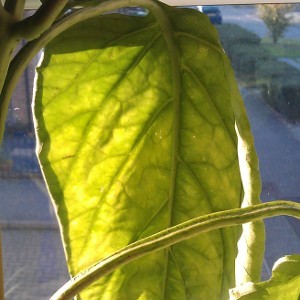
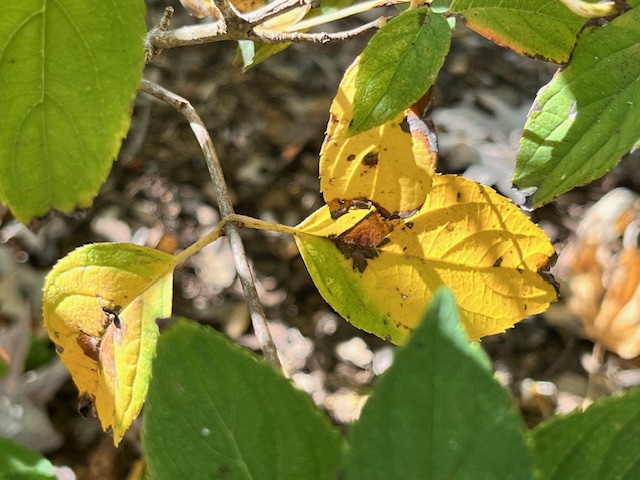
Chlorosis refers to the yellowing of plant leaves due to the loss of chlorophyll, which is essential for photosynthesis. This condition can affect various types of plants and is often an early warning sign of deeper issues that need to be addressed. Let’s break down the possible causes and what you can do about them.
1. Overwatering and Poor Drainage
Problem: One of the most common reasons garden plants turn yellow is overwatering. Waterlogged soil prevents roots from getting oxygen, causing the plant to suffocate.
Solution: Check soil moisture by inserting your finger a few inches into the soil. If it feels soggy, reduce watering and improve soil drainage by adding organic matter or creating raised beds. Ensure your garden has proper irrigation, especially if you live in an area with heavy rainfall.
2. Underwatering
Problem: On the flip side, underwatering causes plants to conserve water by sacrificing leaves, which often results in yellowing.
Solution: Establish a consistent watering schedule that matches the needs of each plant species. Check for dry soil regularly, especially during hot weather.
3. Nutrient Deficiencies
Problem: A lack of essential nutrients, particularly nitrogen, iron, or magnesium, can cause garden plants to turn yellow. Nitrogen deficiency typically results in yellowing of older leaves, while an iron deficiency causes younger leaves to yellow.
Solution: Test your soil to identify any nutrient imbalances. Add a balanced fertilizer or specific supplements like iron chelate or a nitrogen-rich fertilizer, depending on your plant’s needs. Regularly amend the soil with compost to maintain long-term soil health.
4. Pests and Diseases
Problem: Pests such as aphids, spider mites, and whiteflies can cause yellowing by sucking sap from leaves, leading to nutrient loss. Fungal infections like root rot or leaf spot can also lead to discoloration.
Solution: Inspect plants regularly for signs of pests and use organic pest control methods like insecticidal soap or neem oil. For fungal diseases, improve air circulation by spacing plants properly and removing infected parts. Fungicides may also be necessary for more severe cases.
5. Soil pH Imbalance
Problem: Soil that is too acidic or too alkaline can prevent plants from absorbing nutrients, leading to yellow leaves.
Solution: Test your soil’s pH levels with a home kit or send a sample to a local extension service. Amend the soil based on the pH requirements of your plants, using lime to raise pH or sulfur to lower it.
Have a project in mind and not sure how much to budget?
Try our Landscape Pricing Tool
6. Transplant Shock
Problem: When garden plants are moved to a new location, they can experience transplant shock, which often results in yellow leaves.
Solution: Give plants time to adjust to their new environment by minimizing disturbance to the roots during the move. Ensure they are planted in well-draining soil, watered properly, and protected from harsh sunlight until they recover.
7. Temperature Stress
Problem: Extreme temperatures, whether too hot or too cold, can stress plants, causing them to turn yellow.
Solution: Protect your garden plants from temperature extremes by providing shade during hot weather and using frost covers during cold snaps. Mulching around plants can also help regulate soil temperature.
How to Prevent Yellowing in Garden Plants
Prevention is key to keeping your garden plants healthy and vibrant. Here are a few tips to avoid yellowing in the future:
- Regular Soil Testing: Testing your soil periodically ensures that you stay ahead of nutrient deficiencies.
- Proper Watering Techniques: Water your plants early in the morning to allow moisture to penetrate deeply without causing fungal issues.
- Adequate Sunlight: Make sure each plant receives the right amount of light according to its species needs.
- Timely Pruning: Prune diseased or damaged leaves to prevent issues from spreading.
When garden plants turn yellow, it’s a clear signal that something is amiss. By identifying the cause—whether it’s overwatering, nutrient deficiency, pests, or another issue—you can take steps to bring your plants back to health. With the right care and attention, your garden will thrive once more.
Allentuck Landscaping Company is Your Residential Landscape Company
Phone: 301-515-1900
At Allentuck Landscaping Company, our mission is to create beautiful environments for people to enjoy. We see landscaping as a way to improve people’s lives.
The Allentuck Landscaping Company team has been delighting homeowners in Maryland, Washington DC and Northern Virginia for over 28 years with our turnkey approach to landscape design, installation, construction and maintenance. Most companies try to serve many types of customers at the same time; homeowners, shopping centers, office buildings and the list goes on. At Allentuck Landscaping Company, we focus on one customer, you, the homeowner. We have a singular focus on bringing you the best landscape practices, the best customer service, and the best value for your home.
Services Provide – Master Landscape Plans, Complete Maintenance Programs, Plantings, Patios, Walkways, Retaining Walls, Water Features, Outdoor Lighting, Outdoor Kitchens, Trellises & Pergolas, Irrigation Systems, Drainage Solutions, Grading & Sodding. Fire Pits & Fire Places, Spring Clean Ups, Decks, Fences
Areas Served – Chevy Chase, Bethesda, Potomac, Rockville, North Potomac, Darnestown, Gaithersburg, Germantown, Travilah, Damascus, Boyds, Clarksburg, Ijamsville, Urbana, Frederick and Washington DC.
Allentuck Landscaping Co. is a proud member of the National Association of Landscape Professionals.