

The weather can be unpredictable, and so can its effects on your landscape. One day, it feels like spring, and the next, there’s frost on the ground. Drastic temperature changes harm landscape plants in ways that aren’t always visible at first. But over time, these weather swings can weaken plants, disrupt their growth, and leave them vulnerable to pests and disease. The good news? You can take steps to protect your green investments and keep your landscape thriving.
Understanding Drastic Temperature Changes
What exactly counts as a drastic temperature change? It’s more than just a chilly night or a hot afternoon. These are sudden and extreme shifts, such as a 30-degree drop overnight or an unseasonal heatwave in early spring. These abrupt changes can shock plants, leaving them struggling to adjust to the new conditions.
How Drastic Temperature Changes Harm Landscape Plants
Temperature fluctuations can have a variety of effects on plants:
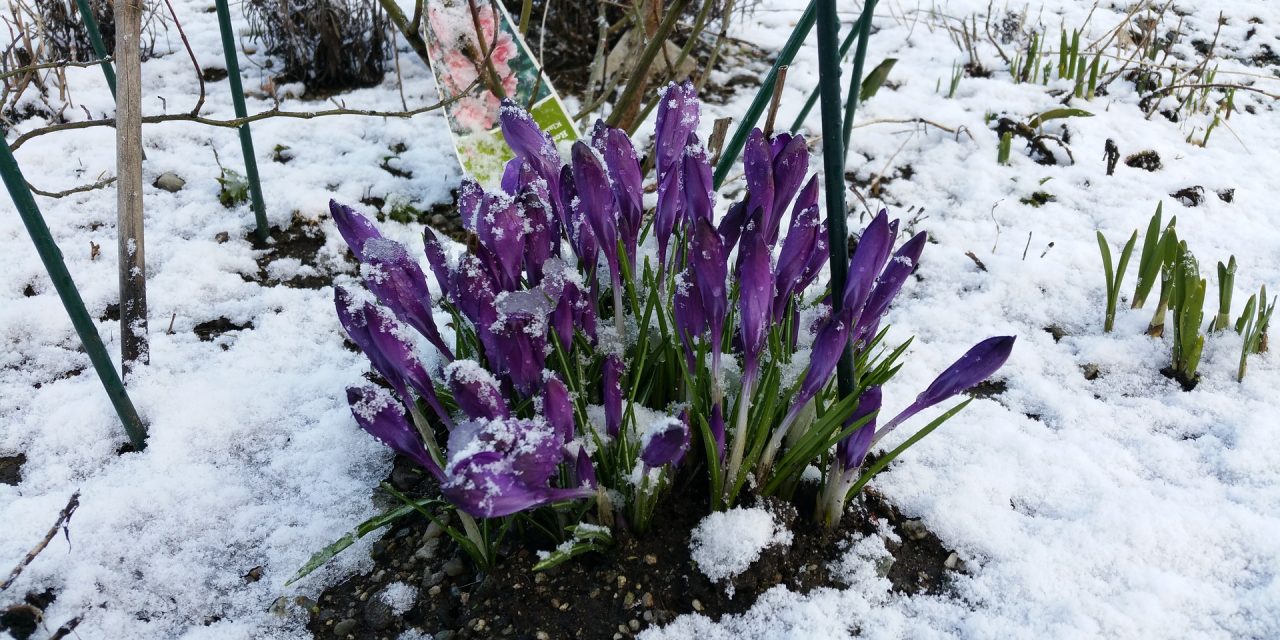
- Cell Damage: When temperatures plunge, ice crystals can form inside plant cells, causing them to rupture. This often leads to browning or wilting.
- Disrupted Growth Cycles: Plants rely on consistent seasonal cues. Sudden warmth might trigger early budding, only for those buds to be destroyed by a later frost.
- Stress Weakens Plants: Stressed plants become more susceptible to pests and diseases. Temperature swings can leave them too weak to fight off these threats.
Plants Most Vulnerable to Temperature Swings
Not all plants respond the same way to rapid weather changes. Some are hardier, while others are more sensitive. Here are the ones most at risk:
- Tropical and Subtropical Plants: These plants thrive in warm, stable climates and can’t handle the shock of cold snaps.
- Young or Newly Planted Specimens: Without established root systems, these plants struggle to recover from temperature stress.
- Flowering Shrubs and Trees: Sudden temperature changes can damage flowers and buds, reducing their beauty and yield.
 Signs of Temperature Stress in Your Plants

Watch for these common warning signs:
- Leaves turning brown or yellow, especially around the edges.
- Premature leaf drop.
- Split bark on trees or shrubs.
- Wilting, even when the soil is moist.
- Stunted growth or failure to bloom.
If you notice these symptoms, take action quickly to prevent further damage.
Protecting Your Landscape from Temperature Swings
The best way to deal with temperature fluctuations is to prepare your plants ahead of time. Here are some actionable steps to protect your landscape:
1. Mulch Matters
A layer of mulch acts as insulation for the soil, helping to maintain consistent temperatures around plant roots. Spread 2-4 inches of mulch around trees, shrubs, and garden beds.
2. Cover Your Plants
For sudden cold snaps, use frost blankets, old sheets, or even cardboard to shield plants. Make sure the covering reaches the ground to trap warmth.
3. Water Wisely
Hydrated plants handle temperature swings better. Water deeply before a freeze, as moist soil retains heat longer than dry soil.
4. Choose Hardy Plants
When planning your landscape, select plants that are well-suited to your local climate. Native plants are often the best choice as they’re adapted to the region’s temperature patterns.
5. Create Microclimates
Use structures like fences, walls, or even other plants to shield sensitive species from harsh winds or direct exposure. These barriers can help buffer against temperature extremes.
Final Thoughts: Are Your Plants Ready?
Drastic temperature changes harm landscape plants, but with the right strategies, you can minimize the damage. Monitor the weather, take preventative steps, and choose plants that can handle your region’s conditions. Your landscape is an investment in your home and your happiness—and it deserves your care. By staying ahead of the weather, you’ll keep your plants healthy and your outdoor spaces beautiful.
Added Bonus: Links To Weather Sites
Allentuck Landscaping Company is Your Residential Landscape Company
Phone: 301-515-1900
At Allentuck Landscaping Company, our mission is to create beautiful environments for people to enjoy. We see landscaping as a way to improve people’s lives.
The Allentuck Landscaping Company team has been delighting homeowners in Maryland, Washington DC and Northern Virginia for over 28 years with our turnkey approach to landscape design, installation, construction and maintenance. Most companies try to serve many types of customers at the same time; homeowners, shopping centers, office buildings and the list goes on. At Allentuck Landscaping Company, we focus on one customer, you, the homeowner. We have a singular focus on bringing you the best landscape practices, the best customer service, and the best value for your home.
Services Provide – Master Landscape Plans, Complete Maintenance Programs, Plantings, Patios, Walkways, Retaining Walls, Water Features, Outdoor Lighting, Outdoor Kitchens, Trellises & Pergolas, Irrigation Systems, Drainage Solutions, Grading & Sodding. Fire Pits & Fire Places, Spring Clean Ups, Decks, Fences
Areas Served – Chevy Chase, Bethesda, Potomac, Rockville, North Potomac, Darnestown, Gaithersburg, Germantown, Travilah, Damascus, Boyds, Clarksburg, Ijamsville, Urbana, Frederick and Washington DC.
Allentuck Landscaping Co. is a proud member of the National Association of Landscape Professionals and MyLandscapeAcademy.
Allentuck Landscaping Co.
13711 Travilah Road
Rockville, Maryland 20850
301-515-1900