
Proper Grading Is Critical for Improving Yard Drainage
Grading and yard drainage are two important factors to consider when maintaining a healthy and attractive home landscape. Without proper grading, water can pool in areas of your lawn and cause damage to the grass, soil, and plants. Improving your home’s yard drainage is essential for keeping your yard looking its best and avoiding costly repairs to landscaping features or even your home’s foundation. In this blog post, we will discuss the importance of grading for effective drainage and provide tips on how to improve the drainage of your home’s yard.
What Is Poor Yard Drainage?
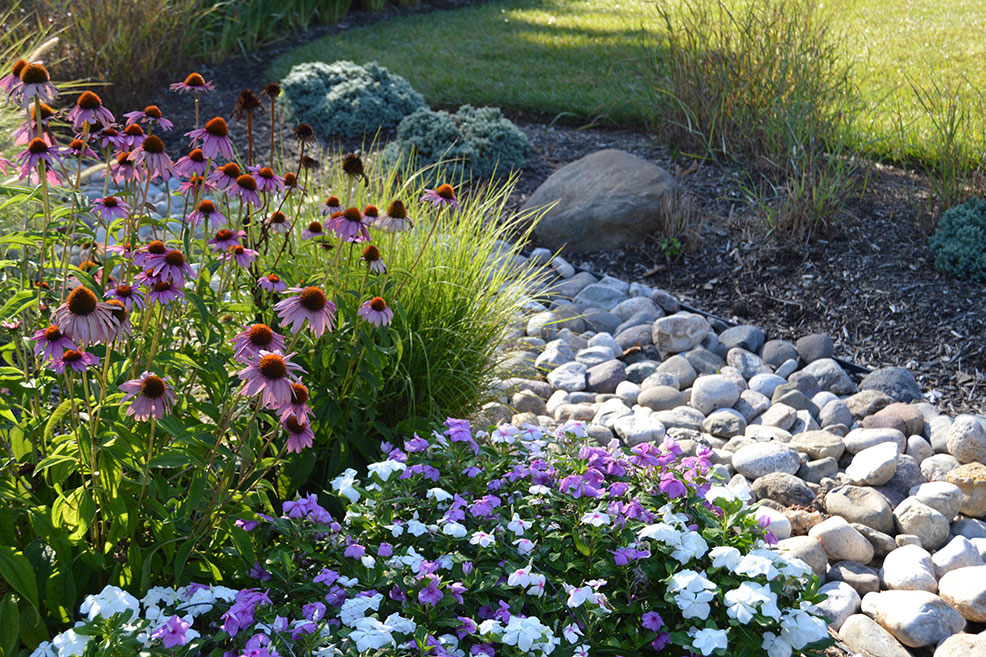 Poor yard drainage is a common problem for homeowners, especially in areas with heavy rainfall or high water tables. Poor drainage can lead to a variety of problems, such as damaged foundations, flooded basements, standing water in the yard, and soil erosion.
In order to prevent these issues, it’s important to understand how poor yard drainage works and how you can improve it. One of the most effective methods for improving yard drainage is to grade the land around your home. Grading involves adding or removing soil in order to redirect the flow of water away from your home. The best way to do this is to create a slope that leads away from your house and directs rainwater away from your foundation.
If your yard has a natural slope, you may just need to adjust it in order to create better drainage. If not, then you may need to add soil in certain areas and use retaining walls to hold back excess water. It’s important to note that any changes to your yard’s grade should be done gradually and carefully, as sudden changes can damage your foundation or cause soil erosion.
Additionally, installing a drain system can also help improve your yard drainage. These systems usually involve connecting gutters, downspouts, or underground piping to divert water away from your home and towards a storm drain or other suitable location.
By understanding what causes poor yard drainage and taking steps to address it, you can avoid costly repairs and keep your home safe from flooding.
Have a project in mind and not sure how much to budget?
Try our Landscape Pricing Tool
Assessing Your Property: What Is the Proper Grade for Drainage?
To promote proper drainage, your yard and landscaping should have a slope of at least 3% directed away from your home’s foundation, and generally between 3-10%, though grades of anywhere from 3% to 25% may be acceptable. Meeting this minimum grade is essential so that any water runoff flows away from your home and, crucially, your foundation.
Grading for features such as patio slabs and sidewalks should be set to at least 1/4 inch per foot away from your home, with a slightly steeper grade (1/2 inch per foot) within the 10 feet closest to your foundation. Professional landscapers will also use backfill techniques to compensate for settling, which may otherwise disrupt drainage if not accounted for.
If your property has too much slope (over 25%), this may cause excessive erosion. On the other hand, grades that do not slope away from your home could cause water to pool near your house, rather than drain away.
 To assess drainage, you or your landscaper may use a laser level or even a long straightedge to check for the correct slope in your yard. You can also use a garden hose to help you visualize where water is flowing when it rains, so that you can determine where drainage improvements need to be made.
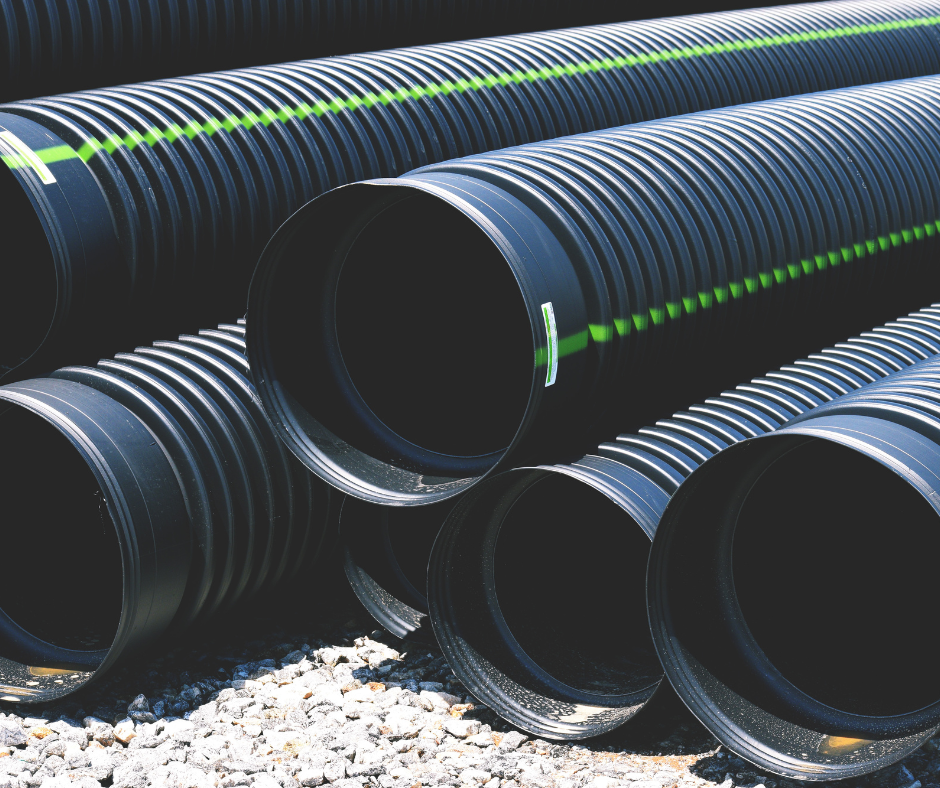
Once you’ve determined whether or not your land has the correct slope, it’s time to take a look at your yard drainage system. If you don’t already have one, consider adding drains to divert water away from the house. Drains can be buried underground, installed around flower beds, or even installed along driveways.
If you already have drains in place, make sure they are free from blockages and debris, and check for any damage. You may also want to increase the size of the drain pipes if they are small, or consider installing additional drain lines if necessary.
By assessing the drainage of your property and making any necessary improvements, you can help ensure that your home and yard remain dry and protected from water damage.
How Do You Grade Land for Drainage?
If you’re looking to improve the drainage in your yard and the land surrounding your home, then grading is a great place to start. Here are some tips for improving the drainage of your home’s yard:
- Design the Landscape to Control Drainage – Proper grading is essential to improving drainage. If your yard is too flat, then excess water will build up and be more likely to cause flooding. Make sure that the slopes of your yard are designed so that they move water away from your home’s foundation and out of the yard.
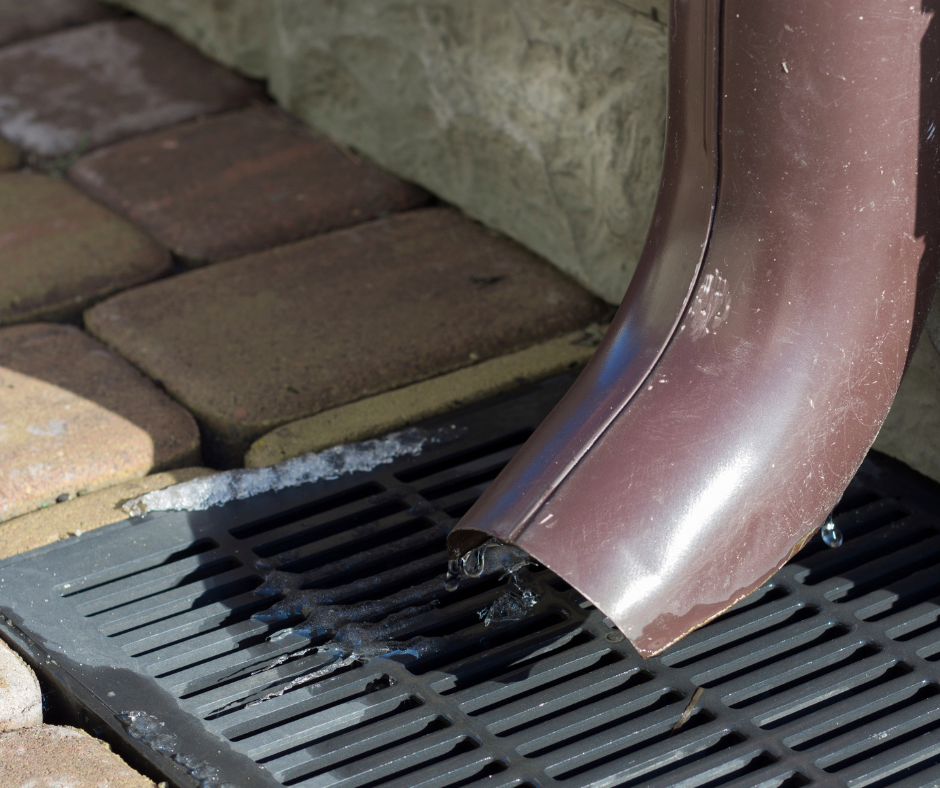
- Take Downspouts Underground – One of the best ways to improve drainage is to keep water from getting to your yard at all. Taking downspouts underground with pipe can move the water far away from the foundation to where it will be harmless.
- Install Catch Basins – Catch basins are drainage systems that collect excess water and divert it away from your home’s foundation. Installing catch basins throughout your yard can improve drainage and help keep your foundation safe from flooding.
- Add French Drains – French drains are trenches filled with gravel or rock that allow water to run off into a deeper drainage system or to a lower area of the property. Adding French drains to your landscape can significantly improve drainage in areas where water tends to pool or stagnate.
 Choose the Right Plants – Some plants are better at absorbing water than others, so be sure to select plants that won’t absorb too much water or clog up your drainage systems. Succulents, ferns, and native plants are good choices for low-maintenance and effective yard drainage.
- Clean Your Gutters Regularly – Clogged gutters can contribute to poor drainage by preventing rainwater from running off properly. Make sure to clean your gutters regularly to keep them free of debris and ensure proper drainage around your home.
When To Call a Professional
When it comes to improving your home’s yard drainage, there are certain times when it’s best to call a professional. If you’re dealing with heavy runoff, water pooling in specific areas of your yard, or significant flooding issues, it’s best to contact a landscape specialist or contractor who can assess your needs and determine the best solution for you.
When you attempt to improve your yard drainage yourself, you may run into problems if you don’t have the right equipment or experience. Doing it incorrectly could even cause more damage, which is why it’s important to consult with a professional before beginning any kind of grading or drainage project.
Allentuck Landscaping Co. has years of experience correcting poor drainage. No matter what kind of issue you’re facing with your yard drainage, you can rest assured that we can provide the best solution for you.