Mature trees are one of the most valuable elements of any landscape. They provide shade, seasonal beauty, habitat for wildlife, and a sense of character that simply can’t be replicated overnight.
But while trees often appear strong and self-sufficient, they benefit greatly from thoughtful care—especially when landscaping projects or property improvements are involved.
With the right approach, you can protect the health of your trees while enhancing the beauty and functionality of your outdoor space.
Why Mature Trees Deserve Special Attention
Unlike shrubs or smaller plants, trees take decades to reach maturity. Once established, they become a central feature of your property and play an important role in the overall ecosystem of your yard.
Healthy trees help:
- Regulate soil moisture
- Provide natural cooling and shade
- Improve air quality
- Add long-term value to your property
Because of their size and age, however, mature trees can be sensitive to changes in their surrounding environment. Soil disturbance, compaction, and improper planting near the root zone can all create stress that affects their long-term health.
Thoughtful landscape planning helps ensure your trees continue to thrive for years to come.
Keep the Root Zone Healthy
Most of a tree’s root system sits surprisingly close to the surface of the soil. These roots absorb the water and nutrients the tree needs to survive.
When planning new landscaping around existing trees, it’s important to avoid excessive digging, cutting large roots, or compacting the soil with heavy equipment. Even small changes in this area can impact the tree’s ability to access oxygen and water.
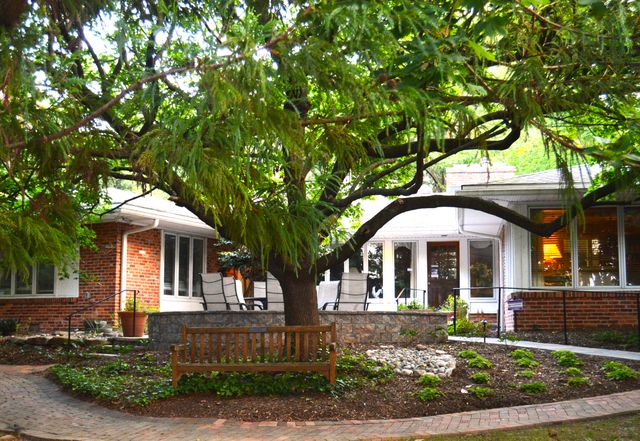
One of the best ways to protect the root zone is by maintaining a natural planting bed beneath the tree canopy. Mulch, shade-tolerant plantings, and natural groundcovers can help protect the soil while keeping the space visually appealing.
Mulch: One of the Best Things You Can Do for a Tree
Mulch is one of the simplest and most effective ways to support tree health.
A layer of mulch helps:
- Retain moisture in the soil
- Regulate soil temperature
- Suppress weeds
- Reduce soil compaction from foot traffic
Applying 2–3 inches of mulch around the base of the tree can make a noticeable difference. Just be sure to keep mulch a few inches away from the trunk to prevent moisture buildup around the bark.
Choose Tree-Friendly Plants
If you’d like to enhance the space beneath your trees, choosing the right plants is key.
Many shade-loving plants thrive in these environments without competing aggressively with the tree. Ferns, hostas, hellebores, and other shade perennials can add texture and color while working naturally within the tree’s ecosystem.
These plantings can transform what might otherwise be a difficult patch of lawn into a beautiful, layered garden space.
Avoid Soil Compaction
One of the most common threats to tree health is soil compaction. When the soil around a tree becomes too dense, oxygen and water have difficulty reaching the roots.
Compaction often happens when:
- Heavy equipment is used near the tree
- Cars or machinery park nearby
- Foot traffic repeatedly crosses the same area
Creating mulch beds, planting areas, or defined landscape zones around trees can help reduce compaction and keep roots healthy.
Trees Are an Investment in Your Landscape
Well-cared-for trees add long-term beauty and value to your property. They frame outdoor spaces, provide natural shade for patios and walkways, and create a landscape that feels established and inviting.
By protecting the root system, maintaining healthy soil conditions, and designing thoughtfully around existing trees, homeowners can ensure these natural assets continue to thrive.
Designing Landscapes That Work With Nature
At Allentuck Landscaping, we believe the best landscapes work in harmony with the natural features already present on your property. Mature trees are often the centerpiece of a thoughtful design, and protecting their health is always a priority.
With careful planning, it’s possible to enhance your outdoor space while preserving the beauty and strength of the trees that make it unique.
If you’re planning improvements to your landscape this season, our team would be happy to help design a space that works with your property’s natural character.
At Allentuck Landscaping Company, our mission is to create beautiful environments for people to enjoy. We see landscaping as a way to improve people’s lives.
The Allentuck Landscaping Company team has been delighting homeowners in Maryland, Washington DC and Northern Virginia for over 28 years with our turnkey approach to landscape design, installation, construction and maintenance. Most companies try to serve many types of customers at the same time; homeowners, shopping centers, office buildings and the list goes on. At Allentuck Landscaping Company, we focus on one customer, you, the homeowner. We have a singular focus on bringing you the best landscape practices, the best customer service, and the best value for your home.
Services Provide – Master Landscape Plans, Complete Maintenance Programs, Plantings, Patios, Walkways, Retaining Walls, Water Features, Outdoor Lighting, Outdoor Kitchens, Trellises & Pergolas, Irrigation Systems, Drainage Solutions, Grading & Sodding. Fire Pits & Fire Places, Spring Clean Ups, Decks, Fences
Areas Served – Chevy Chase, Bethesda, Potomac, Rockville, North Potomac, Darnestown, Gaithersburg, Germantown, Travilah, Damascus, Boyds, Clarksburg, Ijamsville, Urbana, Frederick and Washington DC.
Allentuck Landscaping Co. is a proud member of the National Association of Landscape Professionals and MyLandscapeAcademy.
Allentuck Landscaping Co.
13711 Travilah Road
Rockville, Maryland 20850
301-515-1900