
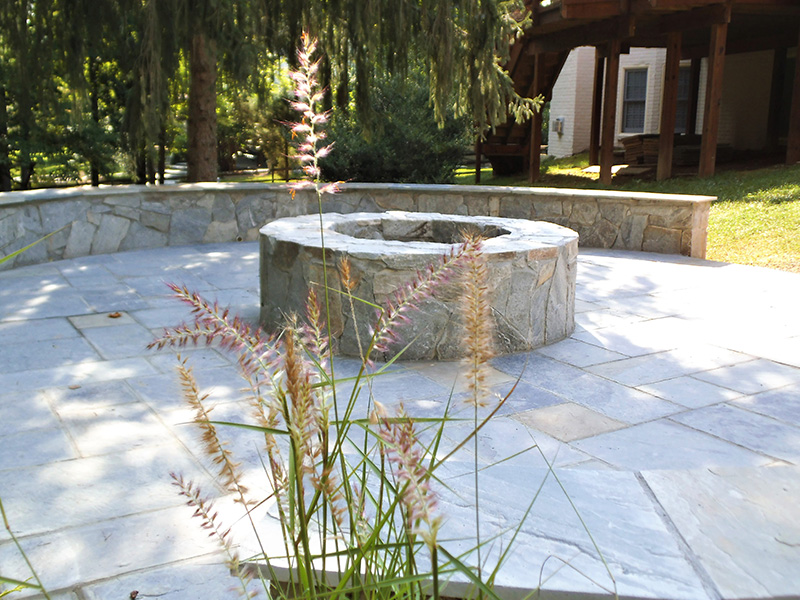
Patio Building Guide: Everything You Need to Know Before Planning Your Patio
Creating the perfect patio is like building an outdoor living room. It’s a space to unwind after a long day, host lively summer gatherings, and spend memorable moments with family and friends. But before you start dreaming about backyard barbecues, there are essential steps to take to ensure 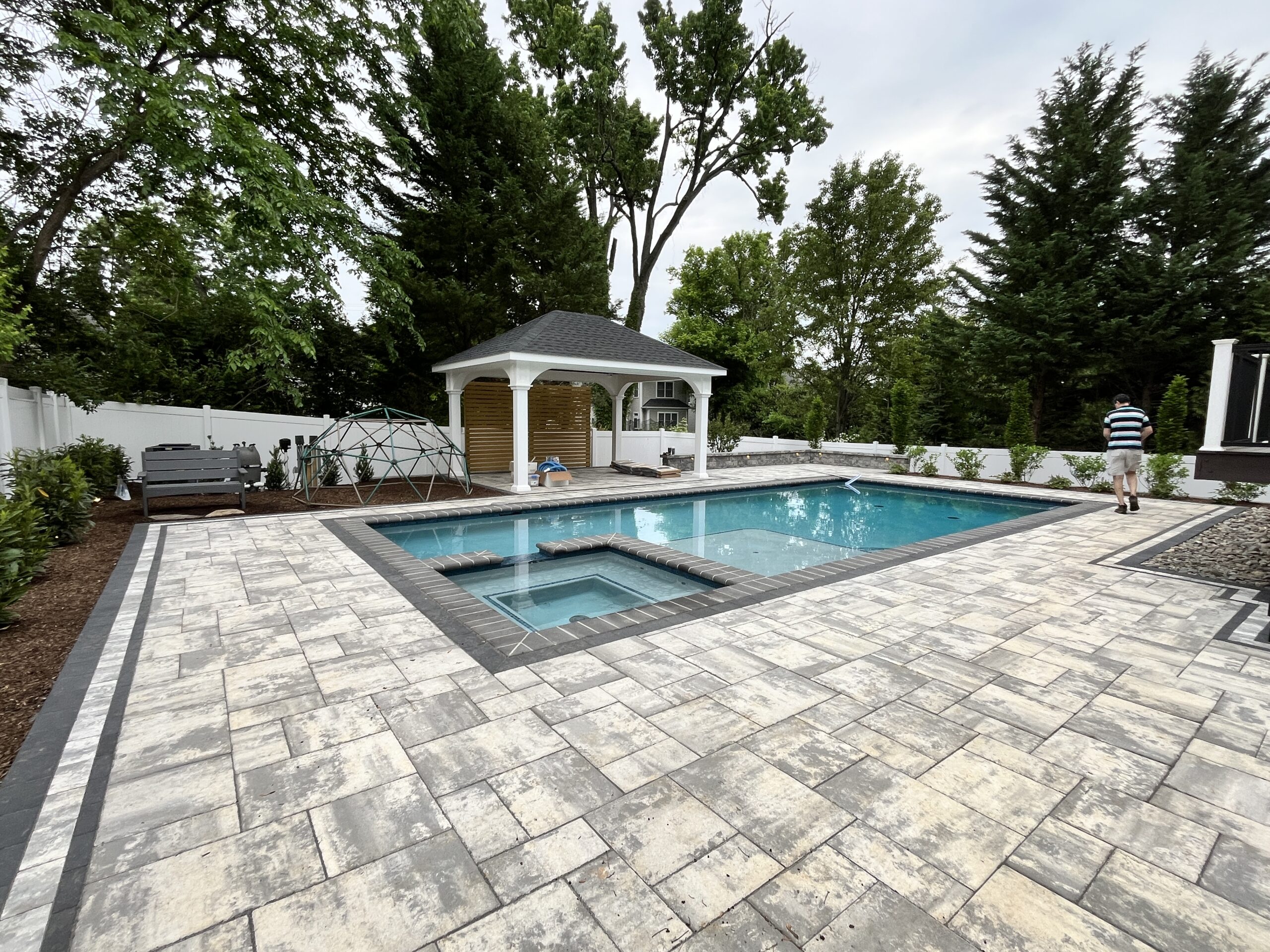 your patio becomes a space you’ll love for years. Whether you’re looking for a quiet retreat or an entertainment hub, Allentuck Landscaping Co.’s Patio Building Guide will help you make the best choices from start to finish.
This guide covers everything—from choosing the right location and materials to selecting the best size and layout for your needs. Let’s dive in and start planning a patio that’s right for you!
Define Your Patio’s Purpose
A patio should enhance your life. Before making any design decisions, define your patio’s main purpose. Are you planning to host family and friends? Do you envision a private space for relaxing with a book? Maybe it’s a bit of both.
Make a list of everything you’d like to use the patio for. If it’s a mix of uses, prioritize them. This will help guide decisions about size, layout, and features. For instance, if you plan to entertain often, you’ll need enough space for a dining table and chairs, plus room for people to move comfortably.
Choose the Right Location For Your New Patio
Where you build your patio has a big impact on how much you’ll enjoy it. Sunlight, shade, privacy, and access all play a role in finding the perfect spot.
- Sun and Shade: Notice how the sun moves through your yard. If you prefer a sunny spot, great! But if shade is more your style, look for a location under a tree or consider installing a shade structure.
- Privacy: If your neighbors are nearby, privacy might be a concern. You could plant shrubs, add a pergola, or install a screen to make the area feel more secluded.
- Accessibility: Ideally, a patio is easily accessible from your home. Close proximity to the kitchen or living room can make hosting or relaxing much easier.
Spend a little time outside during different times of the day. This will give you a feel for the sunlight, temperature, and privacy of different spots in your yard.
Select Patio Materials
Materials set the stage for both the look and longevity of your patio. From classic pavers to budget-friendly gravel, each material offers a different aesthetic and maintenance level.
- Concrete: Affordable, durable, and easy to maintain. It can be stained or stamped for a more stylish look.
- Pavers: Available in a wide range of styles, pavers add texture and interest. They’re low maintenance and can be arranged in various patterns.
- Natural Stone: Elegant but often more expensive. Stone gives a high-end look and blends beautifully with nature.
- Gravel: A simple, affordable option, though it requires a border to keep it contained and can be less comfortable for furniture.
Consider your budget and style preferences. Visit a local landscaping supply to see the materials in person; sometimes, seeing them in natural light makes the choice easier.
Determine the Ideal Size and Shape
Choosing the right size and shape is crucial for a functional patio. Think about the activities you envision and the amount of space each one requires.
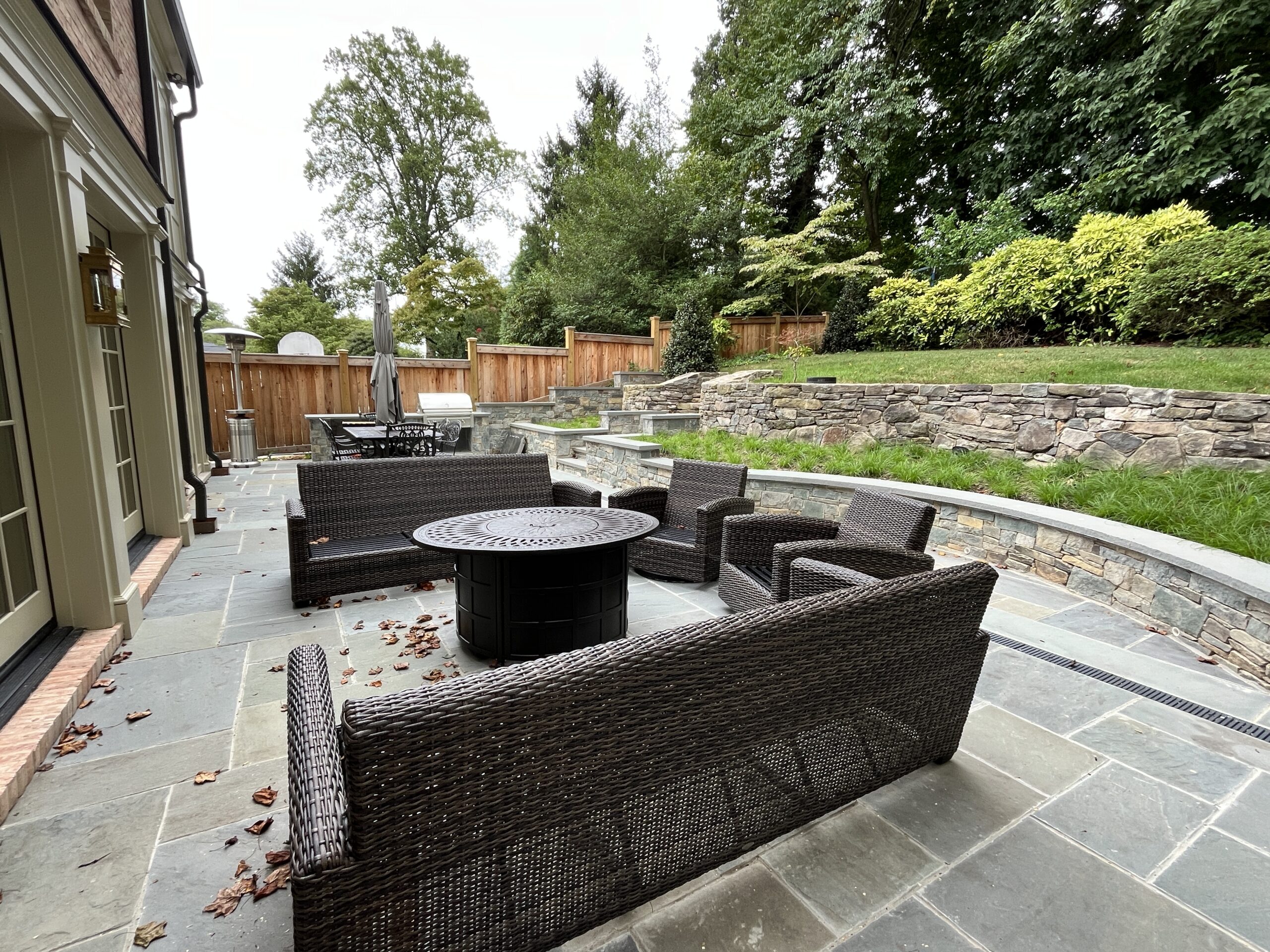
- Furniture and Foot Traffic: If you plan to add seating, allow space for chairs, tables, and room to walk comfortably. For instance, if you’re adding a dining table, plan at least 12-14 feet to comfortably seat four to six people.
- Shape that Fits Your Yard: Curved edges can make a small space feel more organic and blend into the landscape, while rectangular patios offer a more structured feel.
- Long-Term Flexibility: Even if you start small, consider if there’s room for expansion later, in case you want to add more features like a fire pit or outdoor kitchen.
Use chalk or a garden hose to outline your desired patio size in the yard. Try arranging some outdoor furniture within the outline to visualize the space.
Plan for Essential Features
Adding the right features ensures your patio is as functional as it is enjoyable. While some may not be immediately obvious, features like drainage and lighting make a big difference.
- Drainage: Patios should slope slightly away from your home to prevent pooling water. No one wants puddles gathering after a rain shower.
- Lighting: Plan for lighting to keep the space safe and usable at night. Consider low-voltage options or solar lights to illuminate pathways and seating areas without excessive wiring.
- Safety and Permits: Double-check with local regulations to see if permits are needed. Many places require them for larger patios, and it’s essential to comply with building codes.
Consult with a professional to review your patio’s layout and ensure all essential features are accounted for. Allentuck Landscaping Co. can make sure these details don’t get overlooked.
Consider Enhancements for Comfort and Style
To make your patio as inviting as possible, consider a few upgrades. From adding shade to enhancing comfort with stylish furniture, small touches can transform your patio experience.
- Shade Structures: If shade is a priority, a pergola or retractable awning can provide relief from the sun without closing off the space.
- Fire Elements: Fire pits or fireplaces can add warmth and ambiance, making your patio usable in colder weather.
- Furniture and Accessories: Choosing weather-resistant furniture and cozy accessories like outdoor rugs can make your patio feel like an extension of your indoor living space.
Look online or visit local outdoor furniture stores for inspiration. Invest in quality pieces that will withstand the weather and provide long-lasting comfort.
Work with a Professional or DIY?
Building a patio can be a rewarding DIY project, but it’s not for everyone. For more complex designs, or if you’re aiming for a high-end look, working with a professional like Allentuck Landscaping Co. can save you time and ensure quality.
- Benefits of Hiring a Pro: A professional brings experience, knows local regulations, and can help avoid costly mistakes. Plus, they’ll handle heavy lifting, leveling, and detailed finishing touches.
- If You’re Going DIY: DIYers should have basic skills in leveling, laying pavers, or mixing concrete. It’s a time commitment but can be a fulfilling project if you’re up for the challenge.
- Finding the Right Contractor: Look for a landscape company with patio experience, positive reviews, and a style that aligns with your vision.
Request quotes from a few local companies and compare their portfolios. Ask about previous patio projects to gauge their experience and attention to detail.
Budgeting and Planning for Cost
Knowing what to expect financially helps avoid unpleasant surprises along the way. The cost of a patio can vary widely, depending on materials, size, and complexity.
- Average Cost Range: Expect to spend anywhere from $5,000 to $50,000 or more for a standard patio, depending on your choices. High-end materials like natural stone can drive costs up.
- Preventing Budget Overruns: To avoid budget pitfalls, stick to your material choices and keep an eye on labor hours if hiring a contractor. Factor in unexpected costs for items like drainage or permits.
- Phased Installation: If you’re on a tight budget, consider breaking the project into phases. You can start with the basics and add features, like lighting or a fire pit, later.
Set a realistic budget that includes a small buffer for unexpected costs. Share your budget with your contractor to align on what’s possible within that range.
Building a patio is a big step toward making your outdoor space more enjoyable and valuable. By carefully planning each aspect—from purpose and location to materials and features—you’re setting yourself up for years of outdoor enjoyment. If you’re ready to get started, Allentuck Landscaping Co. can help you bring your vision to life with expert guidance and quality craftsmanship.
Need a little more help? Contact Allentuck Landscaping Co. today to discuss your patio goals and let our team help you create the outdoor oasis you’ve been dreaming about!
Allentuck Landscaping Company is Your Residential Landscape Company
Phone: 301-515-1900
At Allentuck Landscaping Company, our mission is to create beautiful environments for people to enjoy. We see landscaping as a way to improve people’s lives.
The Allentuck Landscaping Company team has been delighting homeowners in Maryland, Washington DC and Northern Virginia for over 28 years with our turnkey approach to landscape design, installation, construction and maintenance. Most companies try to serve many types of customers at the same time; homeowners, shopping centers, office buildings and the list goes on. At Allentuck Landscaping Company, we focus on one customer, you, the homeowner. We have a singular focus on bringing you the best landscape practices, the best customer service, and the best value for your home.
Services Provide – Master Landscape Plans, Complete Maintenance Programs, Plantings, Patios, Walkways, Retaining Walls, Water Features, Outdoor Lighting, Outdoor Kitchens, Trellises & Pergolas, Irrigation Systems, Drainage Solutions, Grading & Sodding. Fire Pits & Fire Places, Spring Clean Ups, Decks, Fences
Areas Served – Chevy Chase, Bethesda, Potomac, Rockville, North Potomac, Darnestown, Gaithersburg, Germantown, Travilah, Damascus, Boyds, Clarksburg, Ijamsville, Urbana, Frederick and Washington DC.
Allentuck Landscaping Co. is a proud member of the National Association of Landscape Professionals and MyLandscapeAcademy.
Allentuck Landscaping Co.
13711 Travilah Rd, Rockville, MD 20850
(301) 515-1900