

They look wild. A little messy. Maybe even forgotten.
And every winter, homeowners stare out the window and ask the same question: Should ornamental grasses be cut back in winter, or left alone?
The answer isn’t a simple yes or no. It depends on what you want your landscape to do during the cold months—and how you want it to perform come spring. Cut too early and you can weaken the plant. Leave them too long without a plan and things can get unruly fast.
Let’s clear it up and give you a smart, practical way to handle ornamental grasses with confidence.
Why This Question Comes Up Every Winter
Ornamental grasses change dramatically once cold weather hits.
They lose their green color. They flop. They catch leaves. Snow makes them either beautiful…or chaotic.
Homeowners worry they look “dead.”
They worry about curb appeal.
They worry they’re doing damage by not cleaning things up.
That concern is understandable. But ornamental grasses don’t follow the same rules as perennials or shrubs. Treat them the same way, and you’ll usually regret it.
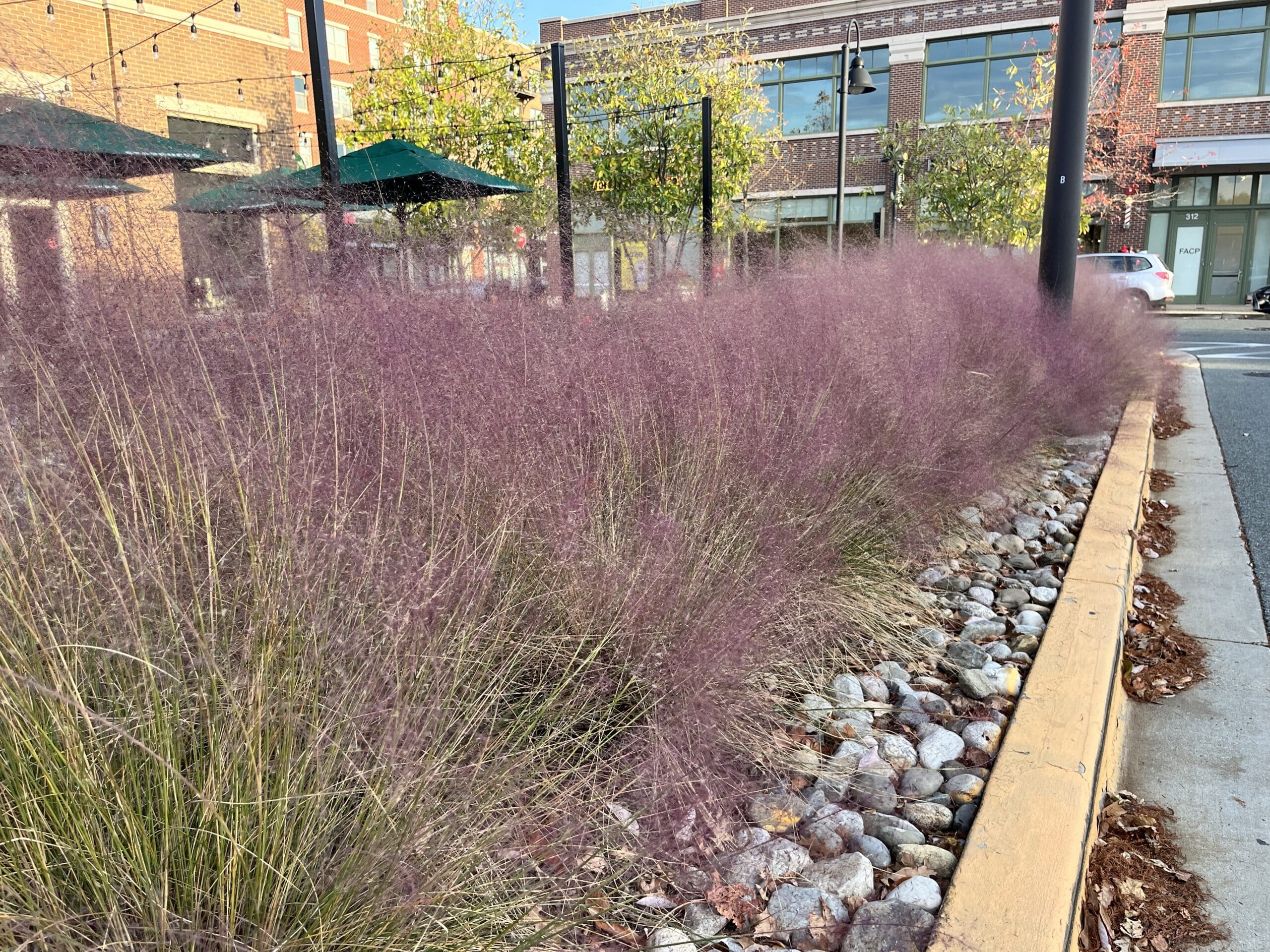
Should Ornamental Grasses Be Cut Back In Winter? The Honest Answer
In most cases, no. Ornamental grasses are better left standing through winter.
That dried growth isn’t just leftover clutter. It serves a purpose.
-
It protects the base of the plant from harsh temperature swings
-
It prevents moisture from pooling at the crown
-
It adds texture and movement to an otherwise flat winter landscape
Cutting them back too early exposes the plant at the worst possible time. Cold snaps. Freeze-thaw cycles. Ice. All of that stress hits harder when the plant is stripped down.
If you’re asking should ornamental grasses be cut back in winter, the safer answer is usually to wait.
When Cutting Back in Winter Does Make Sense
There are exceptions.
Some homeowners prefer a very clean, formal look year-round. Others deal with grasses that have collapsed onto walkways or driveways. Occasionally, a plant has already broken down and become a soggy mess.
In those cases, a winter cutback can be done—but carefully.
If you cut back in winter:
-
Leave at least 6–8 inches of growth above the ground
-
Avoid cutting during extreme cold
-
Never cut flush to the soil
This isn’t about perfection. It’s about minimizing stress on the plant.
The Real Sweet Spot: Late Winter to Early Spring
This is where timing matters most.
The best time to cut ornamental grasses is late winter or early spring, just before new growth starts pushing up from the base. You’ll notice tiny green shoots at ground level while last year’s growth still stands tall and tan.
That’s your window.
Cutting at this time:
-
Clears the way for fresh growth
-
Keeps the plant healthy and full
-
Prevents you from cutting off new shoots by accident
If you wait too long, the job becomes harder and messier. If you cut too early, you’re gambling with plant health.
How to Cut Ornamental Grasses the Right Way
This doesn’t need to be complicated.
Start by gathering the grass together. Wrapping twine or a bungee cord around the clump keeps everything controlled and clean.
Then:
-
Use sharp hedge shears or electric trimmers
-
Cut straight across, leaving 8–12 inches of growth
-
Remove debris from the base so air and light can reach new shoots
Wear gloves. Old grass blades are sharp, and they don’t apologize.
Common Mistakes Homeowners Make
We see these every year.
Cutting back in fall “just to be neat.”
Cutting too low because it looks cleaner.
Waiting until mid-spring when new growth is already tangled.
Each one creates extra work and weaker plants.
Ornamental grasses reward patience. Rush the process and they show it.
Our Professional Take at Allentuck Landscaping Co.
After decades of working with ornamental grasses in real residential landscapes, we’ve learned this: winter structure matters.
Leaving grasses standing adds depth, movement, and life to a dormant yard. It also sets the stage for stronger growth when spring arrives.
Our approach balances appearance and plant health. We don’t cut just to cut. We time it right, do it cleanly, and think about what the landscape should look like three months from now—not just today.
FAQs: Ornamental Grasses in Winter
1. Should ornamental grasses be cut back in winter if they look dead?
No. They may look lifeless, but most ornamental grasses are dormant—not dead. Leaving them standing protects the plant and improves spring performance.
2. What happens if I don’t cut ornamental grasses back at all?
They won’t die, but old growth can pile up and make spring cleanup harder. Cutting back in late winter or early spring keeps them healthy and tidy.
3. Can snow or ice damage ornamental grasses if they aren’t cut?
Generally no. Most ornamental grasses are built to handle snow load. Any breakage is cosmetic and won’t harm the plant long-term.
So, Should Ornamental Grasses Be Cut Back In Winter?
Most of the time, the answer is still no.
Leave them standing. Let them do their job. Enjoy the texture they bring to winter.
Then, when winter loosens its grip, step in at the right moment and cut them back with purpose. That’s how you get healthier plants, better spring growth, and a landscape that looks intentional year-round.
Other Posts Of Interest:
The Best Privacy Trees for Homeowners: Green Giant Arborvitae vs. Leyland Cypress vs. Cryptomeria
Protect Your Home: Essential Yard Drainage Tips
At Allentuck Landscaping Company, our mission is to create beautiful environments for people to enjoy. We see landscaping as a way to improve people’s lives.
The Allentuck Landscaping Company team has been delighting homeowners in Maryland, Washington DC and Northern Virginia for over 28 years with our turnkey approach to landscape design, installation, construction and maintenance. Most companies try to serve many types of customers at the same time; homeowners, shopping centers, office buildings and the list goes on. At Allentuck Landscaping Company, we focus on one customer, you, the homeowner. We have a singular focus on bringing you the best landscape practices, the best customer service, and the best value for your home.
Services Provide – Master Landscape Plans, Complete Maintenance Programs, Plantings, Patios, Walkways, Retaining Walls, Water Features, Outdoor Lighting, Outdoor Kitchens, Trellises & Pergolas, Irrigation Systems, Drainage Solutions, Grading & Sodding. Fire Pits & Fire Places, Spring Clean Ups, Decks, Fences
Areas Served – Chevy Chase, Bethesda, Potomac, Rockville, North Potomac, Darnestown, Gaithersburg, Germantown, Travilah, Damascus, Boyds, Clarksburg, Ijamsville, Urbana, Frederick and Washington DC.
Allentuck Landscaping Co. is a proud member of the National Association of Landscape Professionals and MyLandscapeAcademy.
13711 Travilah Rd, Rockville, MD 20850
(301) 515-1900