
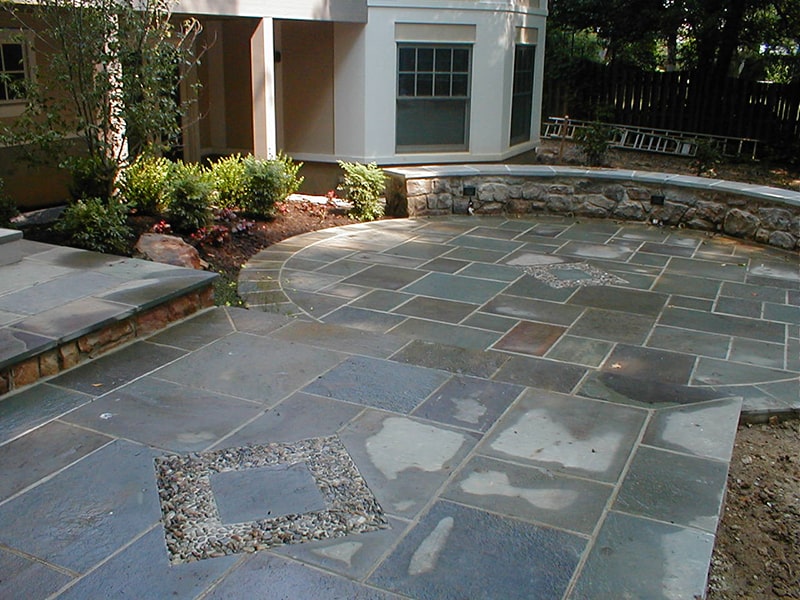
Your patio is more than just an extension of your home; it’s where memories are made. Whether you’re hosting a backyard barbecue, sipping your morning coffee, or enjoying a quiet evening under the stars, the shape of your patio plays a big role in how the space looks and feels. Choosing the best patio shape for your yard can seem tricky, but it doesn’t have to be. By understanding the strengths and challenges of rectangular and curvy patios, you’ll be well on your way to creating a space that’s both functional and beautiful.
Factors to Consider When Choosing a Patio Shape
The shape of your patio isn’t just about aesthetics; it affects how you use the space, how it fits into your yard, and even how much it costs. Here are the key factors to think about:
- Yard Size and Shape: A rectangular patio works well in compact spaces or yards with straight boundaries. On the other hand, a curvy patio can soften the look of large, open areas or irregularly shaped yards.
- Design Style: Rectangular patios lean toward clean, modern, or classic styles. Curves, with their flowing lines, are ideal for natural, relaxed, or whimsical designs.
- How You’ll Use It: If you’re planning to entertain, a rectangular patio offers straightforward layouts for tables, chairs, and grilling stations. Curvy patios create intimate nooks that work beautifully for lounging or small gatherings.
- Budget Considerations: Straight lines are simpler to build, meaning rectangular patios are often more budget-friendly. Curves can require extra labor and materials, increasing the cost.
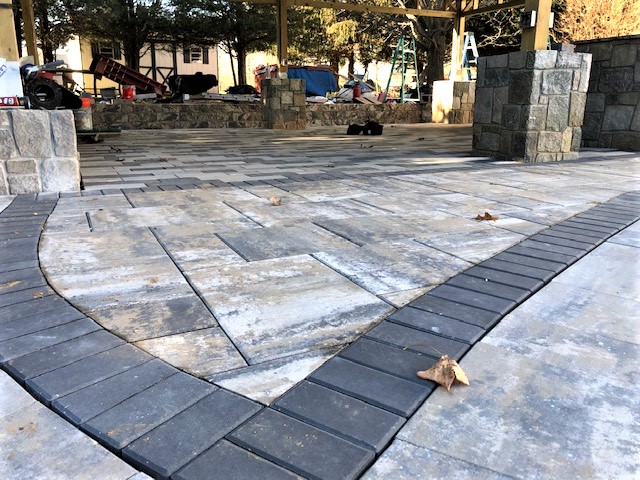 Why a Rectangular Patio Might Be the Best Patio Shape for Your Yard
A rectangular patio is a classic choice for good reason. It’s:
- Practical and Functional: Furniture placement is a breeze on a rectangular patio. You can line up a dining table, add a few lounge chairs, and still have room to move around comfortably.
- Cost-Effective: Straight edges mean fewer cuts and less waste when installing materials like pavers or concrete.
- Timeless Design: Whether your home is modern or traditional, a rectangular patio complements almost any architectural style.
- Space Maximizer: These patios make the most of every inch, especially in small or narrow yards. They’re also great for creating seamless transitions to straight-line features like walkways or fences.
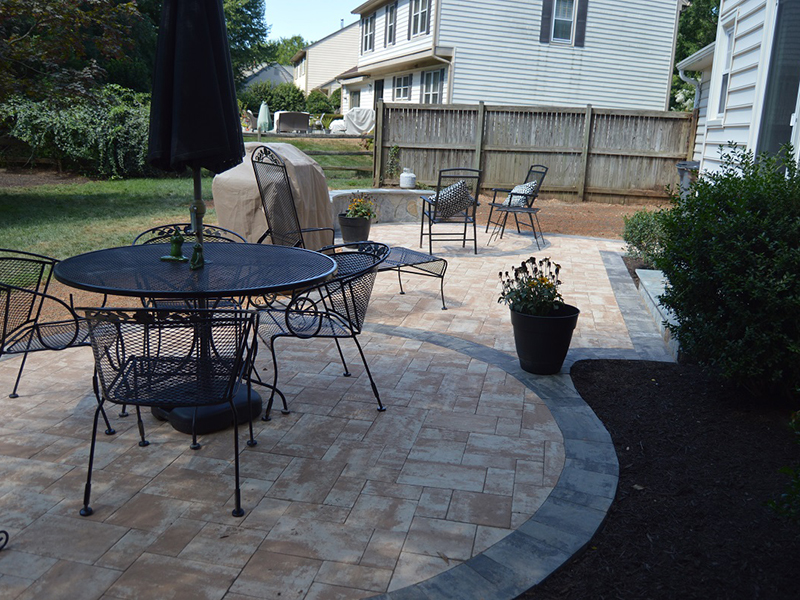 The Appeal of a Curvy Patio
If you’re drawn to a more natural and organic look, a curvy patio could be the best patio shape for your yard. Here’s why:
- Soft and Inviting: The flowing lines of a curvy patio create a relaxed and welcoming atmosphere.
- Seamless Integration: A curvy design blends beautifully with natural landscaping features like gardens, trees, and water elements.
- Unique and Personalized: Each curve adds character, making your patio stand out from the crowd.
- Zone Creation: Curves can naturally divide your patio into functional spaces—a dining area here, a cozy fire pit nook there.
Potential Challenges of Each Shape
- Rectangular Patios: While practical, they can feel rigid or unimaginative without creative landscaping or decorative elements. In irregularly shaped yards, they might not maximize the available space.
- Curvy Patios: Their freeform beauty comes at a cost. Installing curves often requires more materials and labor, increasing the overall budget. Furniture placement can also be more challenging, especially with straight-edged pieces.
How to Choose the Best Patio Shape for Your Yard
Still on the fence? Here are a few tips to help you decide:
- Assess Your Yard’s Layout: A rectangular patio works well in symmetrical spaces, while curves shine in irregular or sprawling yards.
- Think About Long-Term Use: Will you be hosting large gatherings or creating a cozy retreat? Let your lifestyle guide your choice.
- Mix and Match: Consider blending shapes for the best of both worlds. For example, a rectangular dining area can lead into a curvy lounging zone.
- Consult a Professional: A landscape designer can evaluate your space and recommend the ideal shape for your yard’s size, style, and functionality.
Your patio’s shape sets the tone for how your outdoor space feels and functions. Whether you’re drawn to the clean lines of a rectangle or the organic flow of curves, the key is to choose the best patio shape for your yard. Take your time, think about your space and how you’ll use it, and don’t hesitate to seek expert advice. Ready to create your dream patio? Let us help you turn your vision into reality!
Allentuck Landscaping Company is Your Residential Landscape Company
Phone: 301-515-1900
At Allentuck Landscaping Company, our mission is to create beautiful environments for people to enjoy. We see landscaping as a way to improve people’s lives.
The Allentuck Landscaping Company team has been delighting homeowners in Maryland, Washington DC and Northern Virginia for over 28 years with our turnkey approach to landscape design, installation, construction and maintenance. Most companies try to serve many types of customers at the same time; homeowners, shopping centers, office buildings and the list goes on. At Allentuck Landscaping Company, we focus on one customer, you, the homeowner. We have a singular focus on bringing you the best landscape practices, the best customer service, and the best value for your home.
Services Provide – Master Landscape Plans, Complete Maintenance Programs, Plantings, Patios, Walkways, Retaining Walls, Water Features, Outdoor Lighting, Outdoor Kitchens, Trellises & Pergolas, Irrigation Systems, Drainage Solutions, Grading & Sodding. Fire Pits & Fire Places, Spring Clean Ups, Decks, Fences
Areas Served – Chevy Chase, Bethesda, Potomac, Rockville, North Potomac, Darnestown, Gaithersburg, Germantown, Travilah, Damascus, Boyds, Clarksburg, Ijamsville, Urbana, Frederick and Washington DC.
Allentuck Landscaping Co. is a proud member of the National Association of Landscape Professionals and MyLandscapeAcademy.
Allentuck Landscaping Co.
13711 Travilah Road
Rockville, Maryland 20850
301-515-1900