Please ensure Javascript is enabled for purposes of website accessibility

Lawn Watering Tips for Montgomery County, Maryland

grass

How To Water Your Lawn

One of the questions we are asked so often at this time of year is “How should I water my lawn?”. Sounds simple enough, but there actually is a right way to water your lawn for best results.

How much water does my lawn need?

I’m glad you asked. Your lawn needs 1”-1.5” of water per week. Lawns that do not get enough water get stressed both in hot times and in cold times. The best way to tell if nature is giving you enough water (i.e. rain) is to by a rain gauge. If you naturally get the 1”-1.5”, great for you. If you don’t, it is time to put out the sprinkler.

How long should I water my lawn?

Another great question. You are on a roll. Again, a rain gauge is the best way to tell if you are watering your lawn long enough. If you do not have a rain gauge, an empty tuna can set on your lawn can be used. When it is full of water, you have applied 1” of water.

How often should I water my lawn?

Longer, deep waterings are better than short daily waterings. By watering longer and letting the water get deeper into the soil, you are encouraging a deeper root system which will hold up much better during the stressful hot summer. Watering 2-3 times per week for 20-30 minutes each time should give your lawn the water it needs.
Lawn Watering Tips for Montgomery County, MarylandWhen should I water my lawn?

The best time to water is in the early mornings. This will allow the most water possible to be taken up by the grass and not evaporate into the air. Also, it allows the leaves time to thoroughly dry before the cooler nighttime air moves in, which will decrease the chances of fungal growth.

A few more pointers:

  • Do not water so much that water runs down the street. This is a sign that the soil has taken up as much water as it can.
  • If a brown area does not green up with repeated waterings, look for another problem such as fungus, insects or chemical burn (i.e. gasoline).
  • If you have an automatic sprinkler system, have it checked often for proper coverage.
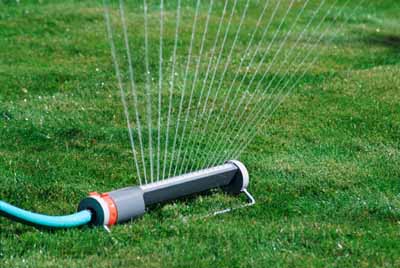
  • If you do not have an automatic sprinkler system, buy a movable sprinkler. There is no way you will water long enough by standing there with a hose.
  • Fescue lawns require more water during the hot, drought times of the year.

It is not hard to manage your lawn watering correctly if you follow these simple guidelines. If you do, the grass will be greener on your side of the fence.

Phone: 3015-515-1900   Email: info@allentucklandscaping.com

 Allentuck Landscaping Co. is Your Residential Landscape Company proudly serving Chevy Chase, Bethesda, Potomac, Darnestown, North Potomac, Rockville, Gaithersburg, Boyds, Germantown, Clarksburg, Ijamsville and Urbana.

Front Walkway Ideas That Boost Curb Appeal (With Real Budget Ranges)

Your Front Walkway Sets the Tone for Your Home Your front walkway is more than just a path—it’s the first impression of your home. It guides guests to your door, improves safety, and plays a major role in curb appeal. The question most homeowners ask:What does a front walkway cost—and what can I actually get for my budget? Below, we break down popular front walkway ideas, realistic budget ranges, and what drives pricing so you can plan with confidence. What

READ MORE »

This Is 40: The Story of Allentuck Landscaping 40th Anniversary

In 1986, Allentuck Landscaping Co. was founded on something simple: hard work and the desire to build something meaningful. But the story starts even earlier. When Bruce was just 15 years old, he and his best friends wanted to work. They started a small neighborhood business—“Odd Jobs Unlimited”—mowing lawns and taking on whatever projects they could find. At one point, they had nine kids working for them. It was scrappy, resourceful, and fueled by initiative. That entrepreneurial spirit never left.

READ MORE »

Protecting and Caring for Mature Trees in Your Landscape

Mature trees are one of the most valuable elements of any landscape. They provide shade, seasonal beauty, habitat for wildlife, and a sense of character that simply can’t be replicated overnight. But while trees often appear strong and self-sufficient, they benefit greatly from thoughtful care—especially when landscaping projects or property improvements are involved. With the right approach, you can protect the health of your trees while enhancing the beauty and functionality of your outdoor space. Why Mature Trees Deserve Special

READ MORE »

Top March Garden Tips: Getting Your Landscape Ready for Spring

March marks the official start of spring, bringing longer days, warmer temperatures, and the perfect opportunity to get your garden in shape for the growing season. With plants waking up from dormancy and new growth emerging, now is the time to tackle essential gardening tasks. Follow these top March garden tips to prepare your landscape for a thriving and productive year. 1. Clean Up Your Garden and Prepare for Growth As winter fades away, take time to clear out debris

READ MORE »

Does Snow Damage Landscape Plants?

Branches are drooping. Evergreens are buried. Your garden suddenly looks like it’s been flattened overnight. And the question hits fast: Does snow damage landscape plants? Sometimes yes. Often no.The real answer depends on what kind of snow you get, what plants you have, and whether you step in at the right moment—or make things worse by doing too much. Let’s break it down in a simple, homeowner-friendly way. Does Snow Damage Landscape Plants in Winter? Most of the time, snow

READ MORE »

Top February Garden Tips: Preparing for Spring Growth

February is a crucial month for gardeners, making it the perfect time to focus on the top February garden tips to prepare for the upcoming spring season. While winter still lingers, small signs of new growth begin to appear, signaling that it’s time to start planning, pruning, and protecting your landscape. By tackling key gardening tasks now, you’ll set the stage for a vibrant and thriving garden in the months ahead. 1. Prune Trees and Shrubs: Top February Garden Tips

READ MORE »