Bamboo can be a beautiful addition to your landscape, bringing a lush, tropical feel to your yard. But if you’ve ever dealt with bamboo’s rapid spread, you know it can quickly become a hassle, encroaching on areas where it doesn’t belong. This is where bamboo barriers come in. But how well do they really work?
In this post, we’ll explore bamboo barrier effectiveness and whether they truly contain the vigorous growth of bamboo. We’ll go over how bamboo spreads, how barriers work to prevent it, and the steps you can take to ensure they’re installed correctly. Let’s dive in to see if bamboo barriers are the solution to keeping bamboo under control in your garden.
Understanding Bamboo Growth
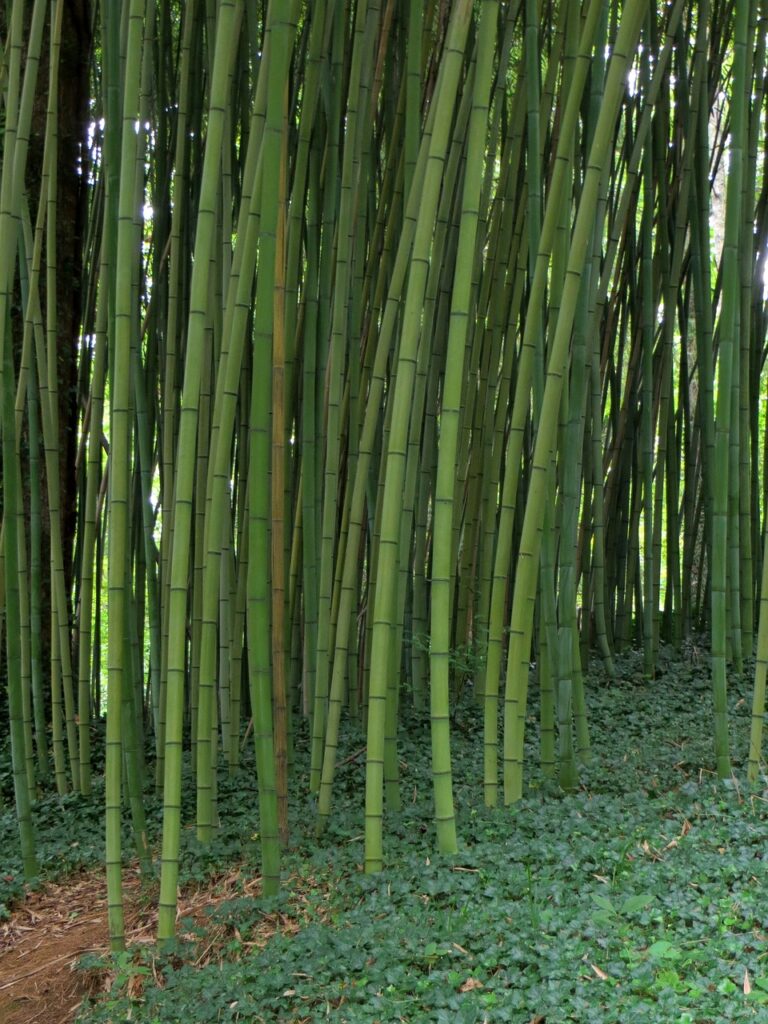
Bamboo is unique in the way it spreads. Unlike many plants that stay contained, bamboo has an extensive rhizome system (think underground runners) that allows it to expand rapidly and unexpectedly. This can lead to invasive growth, especially with running bamboo varieties, which are known to creep beyond garden boundaries if left unchecked. When deciding to plant bamboo, it’s crucial to understand this natural tendency to spread. Even though clumping bamboo doesn’t spread as aggressively, running bamboo is notorious for popping up where you least expect it. That’s why barriers are often recommended for anyone planting bamboo outdoors.
What Are Bamboo Barriers?
Bamboo barrier effectiveness relies on installing physical barriers in the ground around bamboo plantings to block rhizome spread. These barriers are usually made from high-density polyethylene (HDPE) or other durable, flexible materials designed to withstand bamboo’s aggressive root system. To achieve maximum bamboo barrier effectiveness, a trench is dug around the planting area, and the barrier is placed vertically at a depth of 24 to 36 inches. This depth prevents rhizomes, which spread horizontally but generally stay within a specific depth range, from escaping. Installing the barrier at a slight outward angle further directs rhizomes back into the contained area, enhancing control.
Do Bamboo Barriers Really Work?
Bamboo barrier effectiveness depends on proper installation and regular maintenance. Here’s what you need to know to ensure your barrier works as intended.
Proper Depth and Installation: For bamboo barriers to be effective, they must be deep enough (24-36 inches) and angled correctly. If installed too shallow or straight, bamboo rhizomes may still find their way around or over the barrier.
Barrier Quality: High-quality barriers, like those made from HDPE, are recommended for longevity and resistance. Thinner or lower-quality materials may degrade over time, allowing bamboo to breach the boundary.
Maintenance: Even with a barrier, it’s important to inspect your bamboo’s boundaries annually. Any rhizomes that attempt to escape over the top of the barrier should be trimmed to maintain containment.
Pros and Cons of Using Bamboo Barriers
Pros: Effective Control – When properly installed, bamboo barriers can contain bamboo growth, helping prevent it from overtaking your yard. Environmentally Friendly – Barriers provide a non-toxic solution to control bamboo spread without chemicals. Long-Term Solution – High-quality barriers can last for years with minimal upkeep.
Cons: Installation Effort – Digging and installing barriers require some effort, especially if deep trenches are needed. Maintenance Required – Without regular monitoring, rhizomes may eventually find weak points to breach the barrier. Not Foolproof – Poorly installed or degraded barriers may fail over time, allowing bamboo to spread.
Alternative Solutions to Bamboo Barriers
While bamboo barrier effectiveness is high, there are alternative methods to control bamboo growth that may suit your landscape needs:
Trench Method: Dig a trench around the bamboo and routinely check for any rhizomes that attempt to spread. This is a low-cost option but requires regular upkeep.
Container Planting: If you want bamboo without the spread risk, consider planting it in containers or raised beds. This keeps the rhizomes contained.
Choose Non-Invasive Bamboo: Clumping bamboo varieties are less invasive and grow in tight clumps, making them easier to manage without barriers.
FAQs
How deep should a bamboo barrier be installed? Bamboo barriers should be installed at a depth of 24 to 36 inches to prevent rhizomes from escaping. This depth is generally effective for most bamboo varieties.
Can bamboo grow over a barrier? Yes, bamboo rhizomes can sometimes grow over a barrier, especially if it’s not installed deep enough or angled correctly. Regular monitoring and trimming are essential.
Do bamboo barriers need maintenance? Yes, even with a barrier, bamboo requires annual maintenance to check for rhizomes attempting to escape and to ensure the barrier remains effective.
Bamboo barrier effectiveness offers a reliable solution for controlling bamboo spread, but it requires correct installation and regular upkeep. For those prepared to invest the effort, bamboo barriers can safeguard your garden from invasive growth, allowing you to enjoy bamboo’s beauty without concern. If you’re considering bamboo in your landscape, consult a professional to ensure proper installation or to explore other options for keeping this hardy plant in check.
At Allentuck Landscaping Company, our mission is to create beautiful environments for people to enjoy. We see landscaping as a way to improve people’s lives.
The Allentuck Landscaping Company team has been delighting homeowners in Maryland, Washington DC and Northern Virginia for over 28 years with our turnkey approach to landscape design, installation, construction and maintenance. Most companies try to serve many types of customers at the same time; homeowners, shopping centers, office buildings and the list goes on. At Allentuck Landscaping Company, we focus on one customer, you, the homeowner. We have a singular focus on bringing you the best landscape practices, the best customer service, and the best value for your home.
They look wild. A little messy. Maybe even forgotten.And every winter, homeowners stare out the window and ask the same question: Should ornamental grasses be cut back in winter, or left alone? The answer isn’t a simple yes or no. It depends on what you want your landscape to do during the cold months—and how you want it to perform come spring. Cut too early and you can weaken the plant. Leave them too long without a plan and things
Winter landscaping ideas often get overlooked. It’s easy to assume your yard will look dull and lifeless once the leaves fall and snow starts to settle. But that’s just not true. You can have a beautiful, eye-catching landscape that shines through the quietest, coldest months. The key is knowing where to focus your efforts and what to plant, build, or highlight to keep your outdoor space alive with color, texture, and interest. Let’s break down some simple, practical winter landscaping
Winter’s chill is creeping closer, and with it comes the need to prepare your home for the harsh months ahead. A well-prepared house can save you money, prevent expensive repairs, and keep your family warm and cozy when temperatures drop. This Winter Home Prep Checklist is your go-to guide for ensuring your home is winter-ready. Let’s dive in. Exterior Preparation Inspect and Repair the Roof Your roof is your home’s first line of defense against winter weather. Look for loose
As December settles in, the garden enters a period of winding down. But there’s still plenty to do to help your plants survive the coming winter and thrive come spring. Here are five top December gardening tips to keep your landscape healthy, vibrant, and ready for the cold season ahead. 1. Protect Perennials and Tender Plants For many gardeners, the risk of frost is looming, and December is the time to take protective measures, which is exactly why these Top
Nothing kills the excitement of a new backyard project faster than a letter from your HOA telling you to “please resubmit.” Or worse—“stop work immediately.” That’s why understanding HOA Rules & Permits for Landscape Projects isn’t optional. It’s the guardrail that keeps your dream patio, fire pit, or front-yard makeover from turning into an expensive do-over.Good news though: once you understand how the process works, you’ll move through it quicker, cleaner, and with far fewer surprises. Start With Your HOA’s
Backyard privacy shouldn’t be complicated. Homeowners just want a fast-growing, good-looking screen that blocks noise, hides neighboring windows, and makes a yard feel like a retreat. The best privacy trees can do all of that, and more. But not every evergreen behaves the same way. Some shoot up like rockets. Others handle cold better. Some stay dense year-round with almost no babysitting. Choosing the right one matters, or you’ll be staring at gaps, browning branches, or a tree that simply