
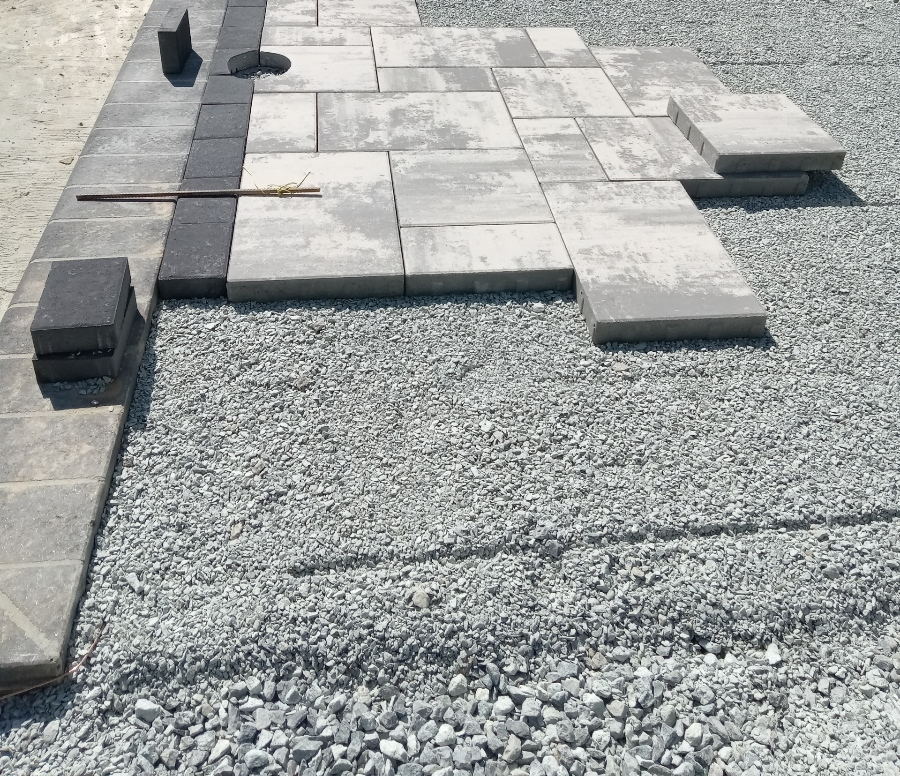
A paver patio is only as good as what’s underneath it. Sure, those stone or brick pavers look amazing on the surface, but it’s the hidden layers that keep them from sinking, cracking, or shifting over time. If the foundation isn’t solid, you’ll soon have a patio that feels more like a problem than a place to relax. In this post, we’ll break down the key paver patio foundation materials and show you how to build a foundation that stands the test of time—so you can enjoy your outdoor space without worrying about costly repairs later.
Let’s dive in and uncover what you need beneath the surface to build a patio that lasts.
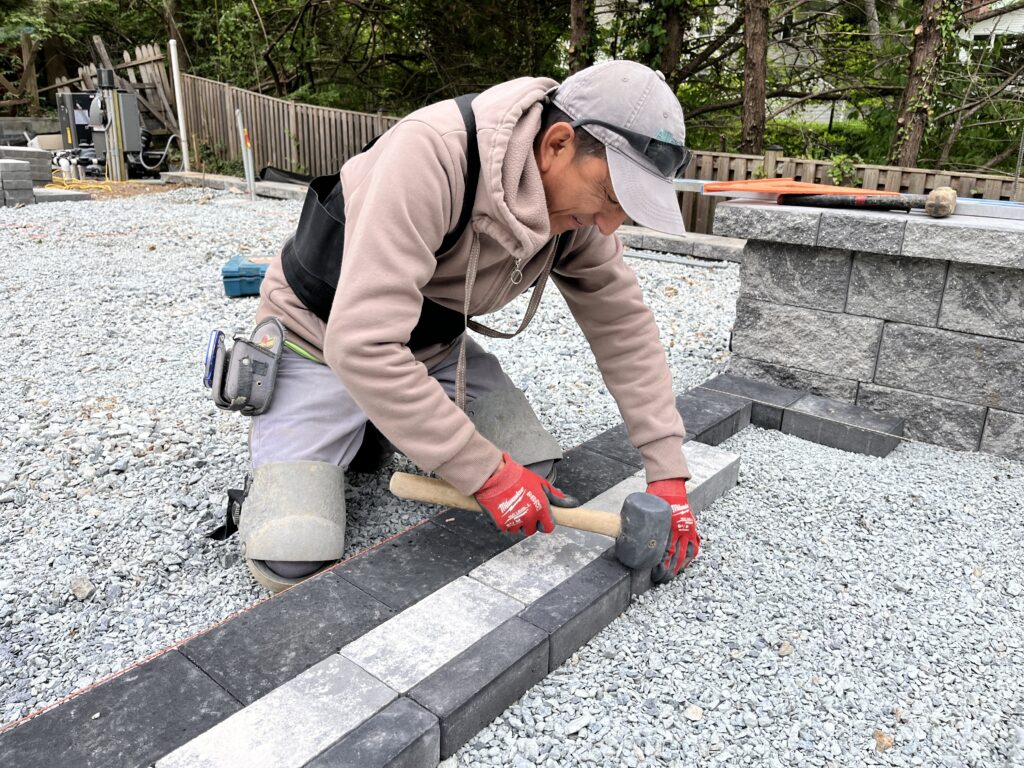 What Makes a Solid Paver Patio Foundation?

The secret to a long-lasting paver patio is all in the layers. It’s not just about throwing down some sand and hoping for the best. Each layer has a specific purpose—whether it’s stabilizing, draining water, or locking everything in place. Get these right, and your patio will stay smooth and level for years. Skip them, and you’ll end up with weeds, sinking pavers, and water pooling where it shouldn’t.
Next, let’s take a look at the paver patio foundation materials you will need to properly build the patio base.
The 5 Essential Layers Under Pavers
1. Subgrade (The Soil Below Everything)
Your paver patio starts with the soil already in your yard, called the subgrade. This layer must be firm and compacted. If it’s soft or full of clay, you’ll need to either remove some of it or improve its drainage.
- Action Tip: Walk the area. If the ground feels spongy, dig a little deeper and compact it properly before adding any other materials.
2. Geotextile Fabric (Your First Line of Defense)
Geotextile fabric might not be a must for every patio, but it’s a smart addition if your soil is less than perfect. This fabric separates the soil from the base layers above, preventing erosion and keeping weeds out. It also helps stabilize the foundation, especially in areas with lots of rain.
- Pro Tip: If you’re installing a patio in soil prone to shifting, lay down geotextile fabric. It’s a small step that saves big headaches later.
3. Crushed Stone or Gravel Base (The Heavy Lifter)
The most important paver patio foundation materials is the gravel base. It does the heavy lifting by providing a stable surface and excellent drainage. Use ¾-inch crushed stone or gravel, and make sure to compact it after every few inches.
- How Much You Need: Aim for at least 4 inches for patios and 8-12 inches if you’re building a driveway.
- Quick Tip: Use a plate compactor for this step—it ensures everything stays packed tight. Renting one is well worth it.
4. Leveling Gravel Base (The Cushion for Your Pavers)
Once the gravel is compacted, you’ll add a 1-inch layer of 3/8″ gravel. This layer makes it easy to level the pavers and helps lock them into place. Avoid using rounded gravel such as pea gravel – it does not compact well.
- Pro Tip: Use a 1″ pipe laying on the base layer to help you spread exactly 1″ of gravel.
5. Joint Sand (The Final Touch)
After the pavers are laid, you’ll need to fill the gaps between them with polymeric sand. This step locks everything together, reduces movement, and keeps weeds from growing in the joints.
- Action Tip: Once you’ve swept the sand into the joints, lightly mist the patio with water to activate the binding agents.
Avoid These Common Foundation Mistakes
Mistakes made during the foundation process can turn your dream patio into a nightmare. Here are a few to watch out for:
- Skipping the Compaction Step: Loose gravel leads to sinking pavers. Compact, compact, compact.
- Using Rounded Gravel: Stick with crushed stone. Rounded gravel (like pea gravel) doesn’t compact well and can shift.
- Ignoring Drainage: If water collects under your patio, it’ll freeze, expand, and push pavers out of place. Make sure your base promotes drainage.
- Skipping the Slope: Your patio should slope slightly—about 1/8 to 1/4 inch per foot—away from your house to prevent water from pooling against the foundation.
Should You DIY or Hire a Professional?
While installing a paver patio can be a fun and rewarding project, it’s not as simple as it looks. Without the right equipment and knowledge, you might end up with an uneven patio that shifts after the first heavy rain. Hiring a professional ensures the foundation is done correctly the first time—and spares you from having to redo the work later.
At Allentuck Landscaping Co., we’ve built hundreds of paver patios over the years. We know exactly what it takes to create a foundation that holds up to the changing Maryland seasons. From digging out the subgrade to placing the final paver, we’ll handle the job so you can focus on enjoying your new space.
FAQs
1. What happens if you don’t use a gravel base under pavers?
Without a gravel base, pavers are likely to sink, shift, and become uneven over time. The gravel helps stabilize the pavers and ensures water drains properly. This is why it is the most important paver patio foundation materials.
2. Can I use sand as the base for my paver patio?
No. Sand alone isn’t stable enough to support a paver patio. It’s best used as a thin bedding layer on top of a compacted gravel base.
3. How thick should the foundation be for a paver patio?
A 4-6 inch gravel base is ideal for most patios. For high-traffic areas like driveways, go with 8-12 inches to provide extra support.
Build it Right, Enjoy it Longer
Getting the right paver patio foundation materials isn’t just a technical step—it’s the key to a patio that stays beautiful and functional for years. From compacting the soil to adding the final layer of polymeric sand, every step matters. Take the time to build a solid foundation now, and you’ll avoid costly repairs later.
If you’re ready to create a patio that looks great and lasts, contact Allentuck Landscaping Co. today. We’ll take care of the hard work so you can enjoy your new outdoor space worry-free.
Need help building your dream patio? Contact Allentuck Landscaping Co. for a free consultation today! We’ll help you create a patio that’s as beautiful as it is durable. Request an estimate today!
Allentuck Landscaping Company is Your Residential Landscape Company
Phone: 301-515-1900
At Allentuck Landscaping Company, our mission is to create beautiful environments for people to enjoy. We see landscaping as a way to improve people’s lives.
The Allentuck Landscaping Company team has been delighting homeowners in Maryland, Washington DC and Northern Virginia for over 28 years with our turnkey approach to landscape design, installation, construction and maintenance. Most companies try to serve many types of customers at the same time; homeowners, shopping centers, office buildings and the list goes on. At Allentuck Landscaping Company, we focus on one customer, you, the homeowner. We have a singular focus on bringing you the best landscape practices, the best customer service, and the best value for your home.
Services Provide – Master Landscape Plans, Complete Maintenance Programs, Plantings, Patios, Walkways, Retaining Walls, Water Features, Outdoor Lighting, Outdoor Kitchens, Trellises & Pergolas, Irrigation Systems, Drainage Solutions, Grading & Sodding. Fire Pits & Fire Places, Spring Clean Ups, Decks, Fences
Areas Served – Chevy Chase, Bethesda, Potomac, Rockville, North Potomac, Darnestown, Gaithersburg, Germantown, Travilah, Damascus, Boyds, Clarksburg, Ijamsville, Urbana, Frederick and Washington DC.
Allentuck Landscaping Co. is a proud member of the National Association of Landscape Professionals.