Lawn Watering Tips for Montgomery County, Maryland

grass

How To Water Your Lawn

One of the questions we are asked so often at this time of year is “How should I water my lawn?”. Sounds simple enough, but there actually is a right way to water your lawn for best results.

How much water does my lawn need?

I’m glad you asked. Your lawn needs 1”-1.5” of water per week. Lawns that do not get enough water get stressed both in hot times and in cold times. The best way to tell if nature is giving you enough water (i.e. rain) is to by a rain gauge. If you naturally get the 1”-1.5”, great for you. If you don’t, it is time to put out the sprinkler.

How long should I water my lawn?

Another great question. You are on a roll. Again, a rain gauge is the best way to tell if you are watering your lawn long enough. If you do not have a rain gauge, an empty tuna can set on your lawn can be used. When it is full of water, you have applied 1” of water.

How often should I water my lawn?

Longer, deep waterings are better than short daily waterings. By watering longer and letting the water get deeper into the soil, you are encouraging a deeper root system which will hold up much better during the stressful hot summer. Watering 2-3 times per week for 20-30 minutes each time should give your lawn the water it needs.
Lawn Watering Tips for Montgomery County, MarylandWhen should I water my lawn?

The best time to water is in the early mornings. This will allow the most water possible to be taken up by the grass and not evaporate into the air. Also, it allows the leaves time to thoroughly dry before the cooler nighttime air moves in, which will decrease the chances of fungal growth.

A few more pointers:

  • Do not water so much that water runs down the street. This is a sign that the soil has taken up as much water as it can.
  • If a brown area does not green up with repeated waterings, look for another problem such as fungus, insects or chemical burn (i.e. gasoline).
  • If you have an automatic sprinkler system, have it checked often for proper coverage.
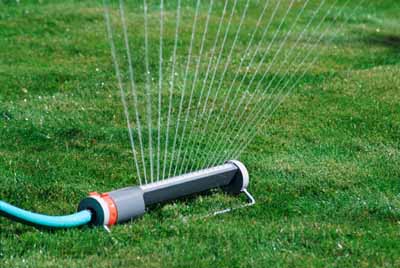
  • If you do not have an automatic sprinkler system, buy a movable sprinkler. There is no way you will water long enough by standing there with a hose.
  • Fescue lawns require more water during the hot, drought times of the year.

It is not hard to manage your lawn watering correctly if you follow these simple guidelines. If you do, the grass will be greener on your side of the fence.

Phone: 3015-515-1900   Email: info@allentucklandscaping.com

 Allentuck Landscaping Co. is Your Residential Landscape Company proudly serving Chevy Chase, Bethesda, Potomac, Darnestown, North Potomac, Rockville, Gaithersburg, Boyds, Germantown, Clarksburg, Ijamsville and Urbana.

Does Snow Damage Landscape Plants?

Branches are drooping. Evergreens are buried. Your garden suddenly looks like it’s been flattened overnight. And the question hits fast: Does snow damage landscape plants? Sometimes yes. Often no.The real answer depends on what kind of snow you get, what plants you have, and whether you step in at the right moment—or make things worse by doing too much. Let’s break it down in a simple, homeowner-friendly way. Does Snow Damage Landscape Plants in Winter? Most of the time, snow

READ MORE »

Top February Garden Tips: Preparing for Spring Growth

February is a crucial month for gardeners, making it the perfect time to focus on the top February garden tips to prepare for the upcoming spring season. While winter still lingers, small signs of new growth begin to appear, signaling that it’s time to start planning, pruning, and protecting your landscape. By tackling key gardening tasks now, you’ll set the stage for a vibrant and thriving garden in the months ahead. 1. Prune Trees and Shrubs: Top February Garden Tips

READ MORE »

5 Top January Gardening Tips: Starting the Year Right in Your Garden

January marks the start of a new year, making it the perfect time to focus on the top January gardening tips for planning, preparing, and caring for your landscape during the quiet winter months. While most plants are dormant, there’s still plenty you can do to ensure a healthy and productive garden come spring. 1. Top January Gardening Tips for Pruning and Maintenance January is the ideal time for pruning deciduous trees and shrubs while they’re dormant: Remove Deadwood: Cut

READ MORE »

2026 Landscape Trends That Will Change How You Live Outdoors

Something big is happening out there, and it’s not subtle. Homeowners are rethinking yards — not as green fields to mow, but as spaces that work harder, feel better, and look unmistakably intentional. Welcome to the world of 2026 Landscape Trends, where beauty meets purpose and everyday life gets better outside. These aren’t wild ideas. They’re grounded in how people are actually using their outdoor spaces — from morning coffee to sunset gatherings. Let’s dive into six trends that are

READ MORE »

Should Ornamental Grasses Be Cut Back In Winter?

They look wild. A little messy. Maybe even forgotten.And every winter, homeowners stare out the window and ask the same question: Should ornamental grasses be cut back in winter, or left alone? The answer isn’t a simple yes or no. It depends on what you want your landscape to do during the cold months—and how you want it to perform come spring. Cut too early and you can weaken the plant. Leave them too long without a plan and things

READ MORE »

Winter Landscaping Ideas: How to Keep Your Yard Vibrant All Season Long

Winter landscaping ideas often get overlooked. It’s easy to assume your yard will look dull and lifeless once the leaves fall and snow starts to settle. But that’s just not true. You can have a beautiful, eye-catching landscape that shines through the quietest, coldest months. The key is knowing where to focus your efforts and what to plant, build, or highlight to keep your outdoor space alive with color, texture, and interest. Let’s break down some simple, practical winter landscaping

READ MORE »