
Please ensure Javascript is enabled for purposes of website accessibility

Baby It’s Cold Out There

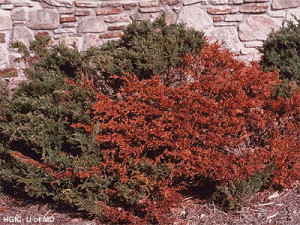
Winter damage to plants near a roadside

How Will The Cold Temperatures Affect My Landscape?

With record breaking low temperatures (9 degrees this morning!), one would wonder if these conditions are bad for our landscape? Will these temperature harm or kill our plants?

Plants Can Fend For Themselves

Plants are well suited to deal with cold temperatures. Trees and shrubs go dormant. Perennials die back to the ground. However, there is some damage that can occur to our plants.

Cold injury varies with plant species, age, the general vigor of the plant, and site and soil characteristics. It is unlikely that the cold could have much if any impact on native plant materials in their natural habitats. But the fact of the matter is that we use a lot on non-native plants in the landscape that are not quite as cold hardy.

Types of Cold Damage

One type of cold injury that is most certain is the killing of flower buds on those trees and shrubs that are marginally hardy. Flower buds are typically less hardy than leaf buds. We saw this happen last winter with Hydrangeas and some varieties of Crape Myrtles. Last winter’s cold resulted in less or no blooms on these plants.

Another type of cold injury is the yellowing or bronzing of the leaves of evergreens when exposed to winter sun and wind. These usually return to normal color when growth resumes in the spring. Winter injury may be confused with early stages of some fungal diseases.

Cold injuries such as sun scald and frost cracks on tree trunks often occur in response to sudden and wide fluctuations in temperature of wood. This typically takes place on cold days when the sun warms the sunny side of the trunk to a temperature above freezing, causing some expansion of the wood. Unfortunately this can lead to total loss of the plant.

What Can Be Done?

The best things you can do to help your plants survive a winter cold blast is to take good care of them the rest of the year. Proper fertilization, pruning, pest control and mulching go a long way to keeping plants healthy. Always prune off damaged and dead parts of plants to avoid further problems down the road.

The good news is that we do not see a lot of winter cold damage on plants around here and generally our plants recover very well.


Allentuck Landscaping Co. designs, installs  and maintains landscapes in Montgomery County, Maryland including Bethesda, Chevy Chase, Potomac, North Potomac, Darnestown, Rockville, Gaithersburg, Germantown, Clarksburg, Ijamsville and Urbana.


8 Fall Landscape Projects That Will Beautify Your Home

Here’s something most homeowners get backwards: fall isn’t the end of the landscaping season. It’s the perfect time to knockout some fall landscape projects that will pay big dividends for your home landscape. Everyone gets the itch in April. The garden centers are packed, crews are booked out for weeks, and plants go in the ground right before July cooks them. Meanwhile October shows up with cool air, warm soil, and steady rain, which is basically everything a new plant

READ MORE »

Native Plants For Maryland Gardens

Native Plants Have Many Benefits Choosing native plants for Maryland offers many benefits for homeowners, landscapes, and local ecosystems. Native plants are species that naturally occur in Maryland and have adapted to the region’s climate, soil, and growing conditions over time. Because they’re well suited to the local environment, native plants can often thrive with less maintenance while providing valuable habitat and food for pollinators and wildlife. Why Use Native Plants One of the biggest advantages of incorporating native plants

READ MORE »

Top October Garden Tips: Preparing for the Coming Cold

October is here, and your garden is ready for its fall transition. 🍁 This month is all about preparation—cleaning up beds, protecting plants from frost, planting bulbs for spring, and giving your lawn the care it needs before winter. Our Top October Garden Tips also include adding seasonal color with mums or pansies to keep your yard looking cheerful as temperatures drop. Taking these steps now not only protects your landscape but also sets you up for a fresh, vibrant

READ MORE »

Natural Gas Fire Pits vs Wood Fire Pits

Nothing transforms a backyard into a warm, inviting oasis quite like a fire pit. Whether it’s for cozy family nights, entertaining friends, or simply relaxing under the stars, fire pits are a must-have for outdoor spaces. But when it comes to choosing one, the debate often boils down to natural gas fire pits vs wood fire pits. Each has its perks and challenges, and picking the right one depends on your lifestyle, preferences, and outdoor goals. Let’s explore the ins

READ MORE »

Top September Garden Tips: Transitioning from Summer to Fall

September marks the shift from hot summer days to cooler autumn evenings—a welcome change for both gardeners and their landscapes. While your garden may still be full of late-summer blooms and harvests, it’s also the perfect time to prepare for fall. These Top September Garden Tips will help you enjoy the last of summer’s bounty while getting your landscape ready for the season ahead. 1. Refresh and Revive Your Lawn Lawns often feel the stress of summer heat and foot

READ MORE »

Creating Better School Environments: Our 2026 Gardens for Grades School Grants

At Allentuck Landscaping CO., we believe landscaping can do more than make a property look better. It can improve how people feel about the places where they live, work and learn. That belief is at the heart of our Gardens for Grade School Grants initiative—last week, we had the opportunity to continue that effort at three North Potomac elementary schools: Travilah, Stone Mill and Dufief Elementary Schools. Through this year’s service, our team donated the time, labor and expertise needed

READ MORE »