
Mastering the Art of Watering: 7 Essential Tips for a Beautiful Lawn
Proper watering is crucial for maintaining a healthy and vibrant lawn. In this article, we will explore the key factors to consider when it comes to watering your lawn, including understanding the watering needs of different grass types, the best time of day to water, techniques for efficient watering, signs of overwatering or underwatering, selecting the right sprinkler system or irrigation method, and tips for conserving water. By the end of this article, you’ll have the knowledge and insights to keep your lawn looking its best while conserving water resources.
Importance of Proper Lawn Watering
Watering your lawn is not just about keeping it hydrated; it’s about promoting healthy root growth and overall turf health. Proper watering helps the grass plants develop deep roots, making them more resistant to drought and stress. It also ensures the efficient uptake of nutrients and prevents the growth of shallow-rooted weeds. So, never underestimate the importance of proper lawn watering.
 Understanding the Watering Needs of Different Types of Grass

Different grass types have different watering requirements. Warm-season grasses like Bermuda grass and Zoysia grass thrive in hot climates and require less frequent watering compared to cool-season grasses like Kentucky bluegrass and fescue. Understanding the specific watering needs of your grass type will help you create an effective watering schedule that meets their requirements without wasting water.
Best Time of Day to Water Your Lawn
Timing is crucial when it comes to watering your lawn. The best time to water is early in the morning, preferably before sunrise. This allows the grass blades to dry out during the day, preventing the development of fungal diseases. Watering in the evening should be avoided as it can create a moist environment overnight, promoting fungal growth.
Techniques for Efficient Watering
Watering your lawn efficiently goes beyond just turning on the sprinklers. To ensure maximum water absorption and minimize runoff, consider using techniques such as deep watering. This involves applying enough water to penetrate the soil to a depth of 6-8 inches. This encourages deep root growth and reduces the need for frequent watering.
Signs of Overwatering or Underwatering Your Lawn
Knowing the signs of overwatering or underwatering your lawn is essential for maintaining a healthy turf. Overwatering can lead to shallow root growth, waterlogged soil, and the development of diseases. Signs of overwatering include soggy or squishy turf, a foul odor, and the presence of mushrooms. On the other hand, underwatering can result in dry, brown patches, wilting grass, and reduced growth. Monitor your lawn regularly and adjust your watering schedule accordingly.
Choosing the Right Sprinkler System or Irrigation Method
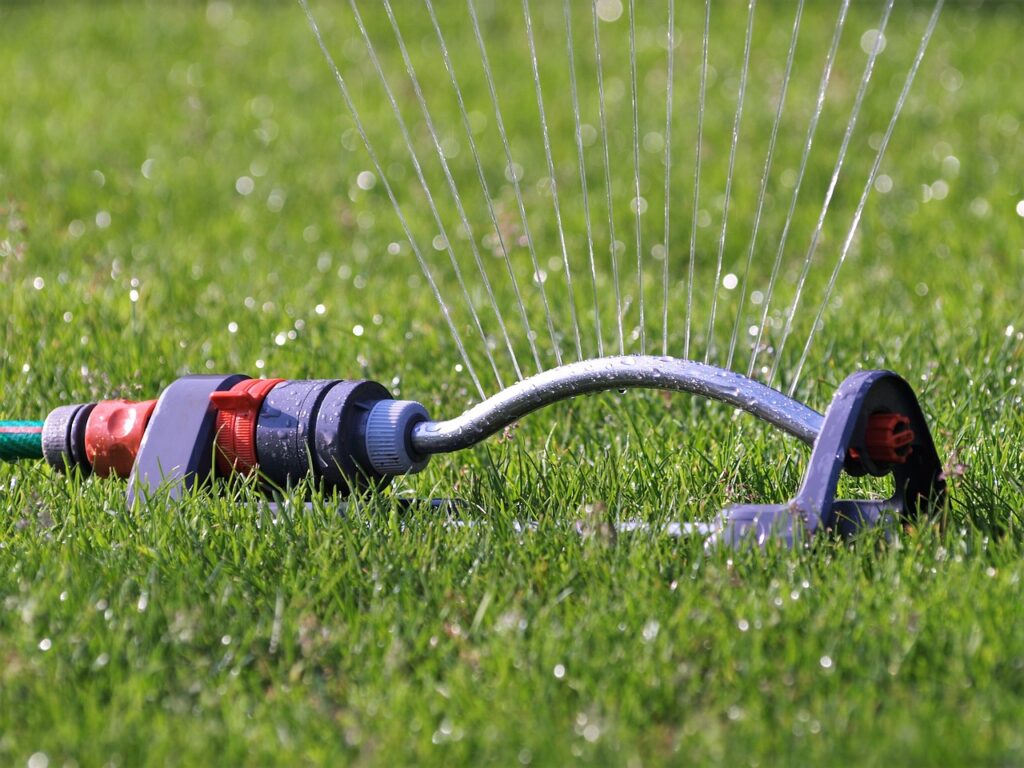
Selecting the right sprinkler system or irrigation method is crucial for efficient and effective watering. Consider factors such as the size and shape of your lawn, water pressure, and your local climate when choosing a sprinkler system. Options include oscillating sprinklers, rotary sprinklers, and drip irrigation systems. Each has its advantages and is suitable for different lawn sizes and watering requirements.
Tips for Conserving Water While Maintaining a Healthy Lawn
Conserving water is not only environmentally responsible but also helps you save on water bills. Implementing water-saving techniques like using a rain gauge to determine when to water, mulching to retain moisture, and adjusting sprinkler heads to avoid watering sidewalks and driveways can make a significant difference. Additionally, consider xeriscaping or incorporating drought-tolerant plants into your landscape design to reduce water usage.By following these seven essential tips, you’ll be well on your way to mastering the art of watering your lawn. Remember, proper watering is not only about keeping your lawn green but also about promoting its long-term health and resilience. So, take the time to understand your grass type, adjust your watering schedule accordingly, and implement efficient watering techniques.
REQUEST A QUOTE
Allentuck Landscaping Co. is Your Residential Landscape Company
Phone: 301-515-1900 Email: info@allentucklandscaping.com
At Allentuck Landscaping Company, our mission is to create beautiful environments for people to enjoy. We see landscaping as a way to improve people’s lives.
The Allentuck Landscaping Company team has been delighting homeowners in Maryland, Washington DC and Northern Virginia for over 28 years with our turnkey approach to landscape design, installation, construction and maintenance. Most companies try to serve many types of customers at the same time; homeowners, shopping centers, office buildings and the list goes on. At Allentuck Landscaping Co., we focus on one customer, you, the homeowner. We have a singular focus on bringing you the best landscape practices, the best customer service, and the best value for your home.
Services Provide – Master Landscape Plans, Complete Maintenance Programs, Plantings, Patios, Walkways, Retaining Walls, Water Features, Outdoor Lighting, Outdoor Kitchens, Trellises & Pergolas, Irrigation Systems, Drainage Solutions, Grading & Sodding. Fire Pits & Fire Places, Spring Clean Ups, Decks, Fences
Areas Served – Chevy Chase, Bethesda, Potomac, Rockville, North Potomac, Darnestown, Gaithersburg, Germantown, Damascus, Boyds, Clarksburg, Ijamsville, Urbana, Frederick and Washington DC.
Related Posts: